April 10, 2026 • AI Agent
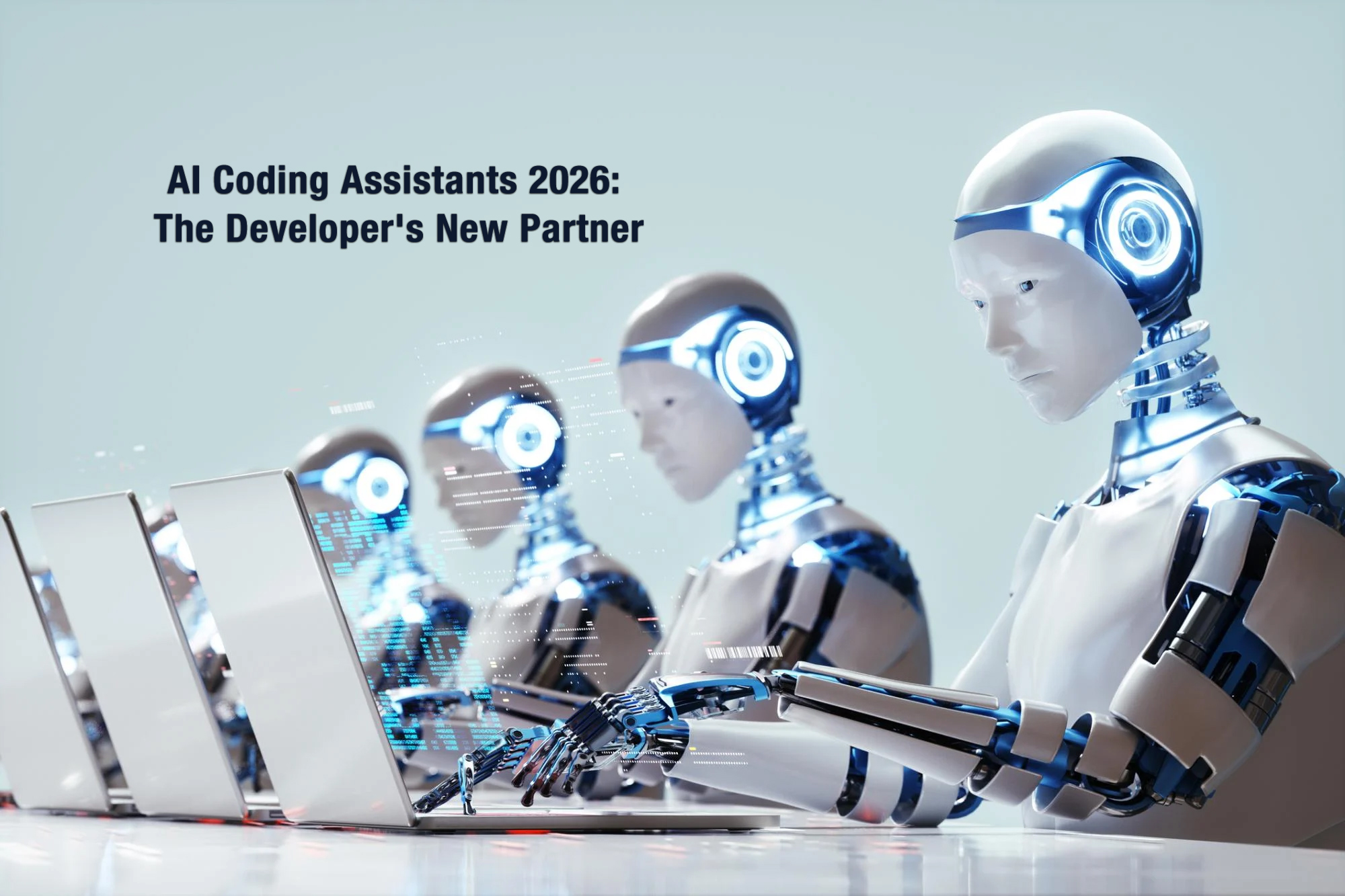
AI Coding Assistants 2026: The Developer's New Partner
How AI-powered code generation is transforming software development workflows and democratizing programming
#GitHub Copilot
#programmatic AI
Read more →


Developer and content creator. I'm a full-stack developer who happens to love coffee. This space blends both passions—exploring coffee culture, history, and brewing techniques through a coder's lens. Whether optimizing code or perfecting a pour-over, I believe in crafting with care and curiosity. Join me at the intersection of tech and coffee, one cup at a time.
How AI-powered code generation is transforming software development workflows and democratizing programming
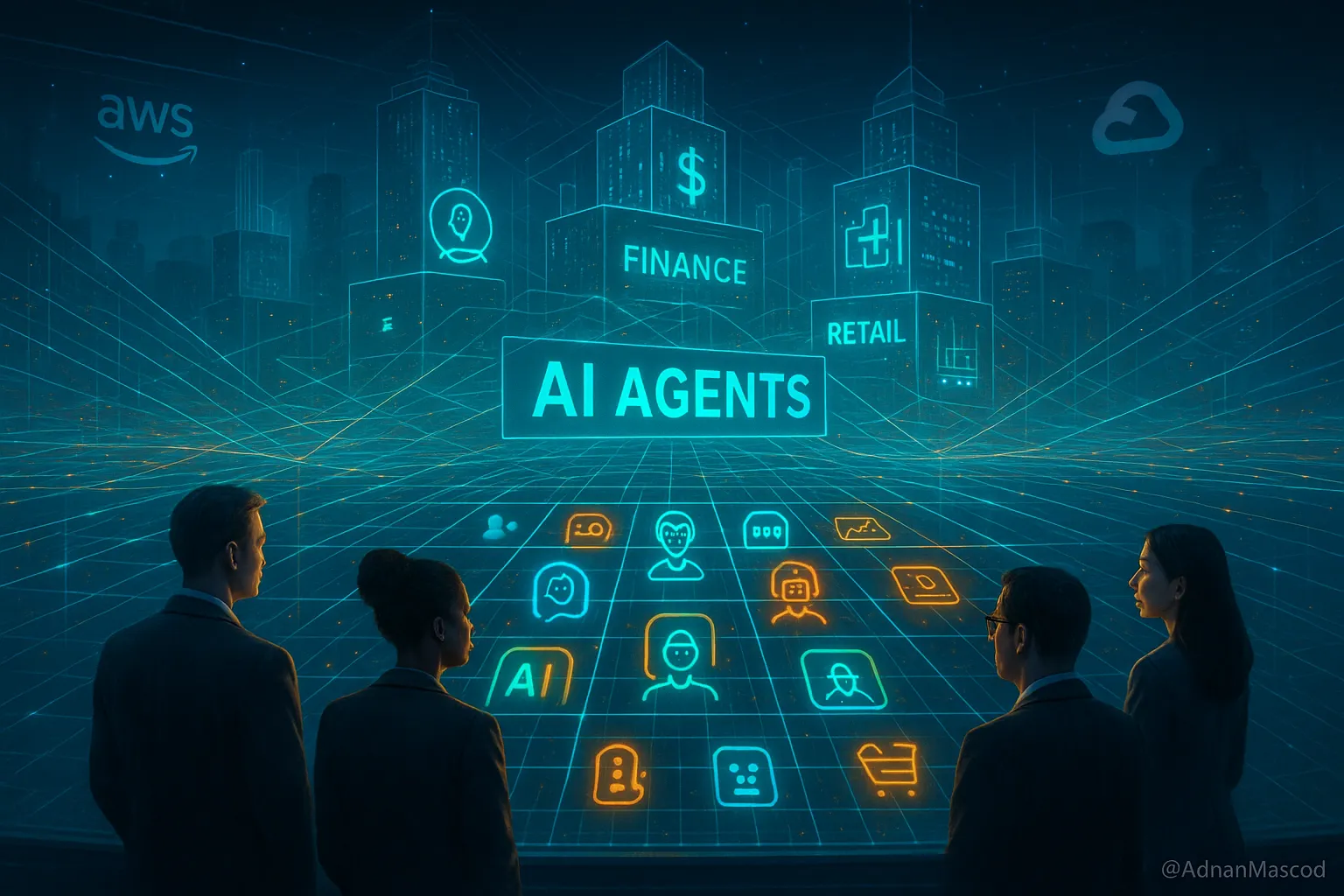
As autonomous AI agents become reality, a new marketplace ecosystem is emerging to connect AI developers with businesses seeking automation solutions.
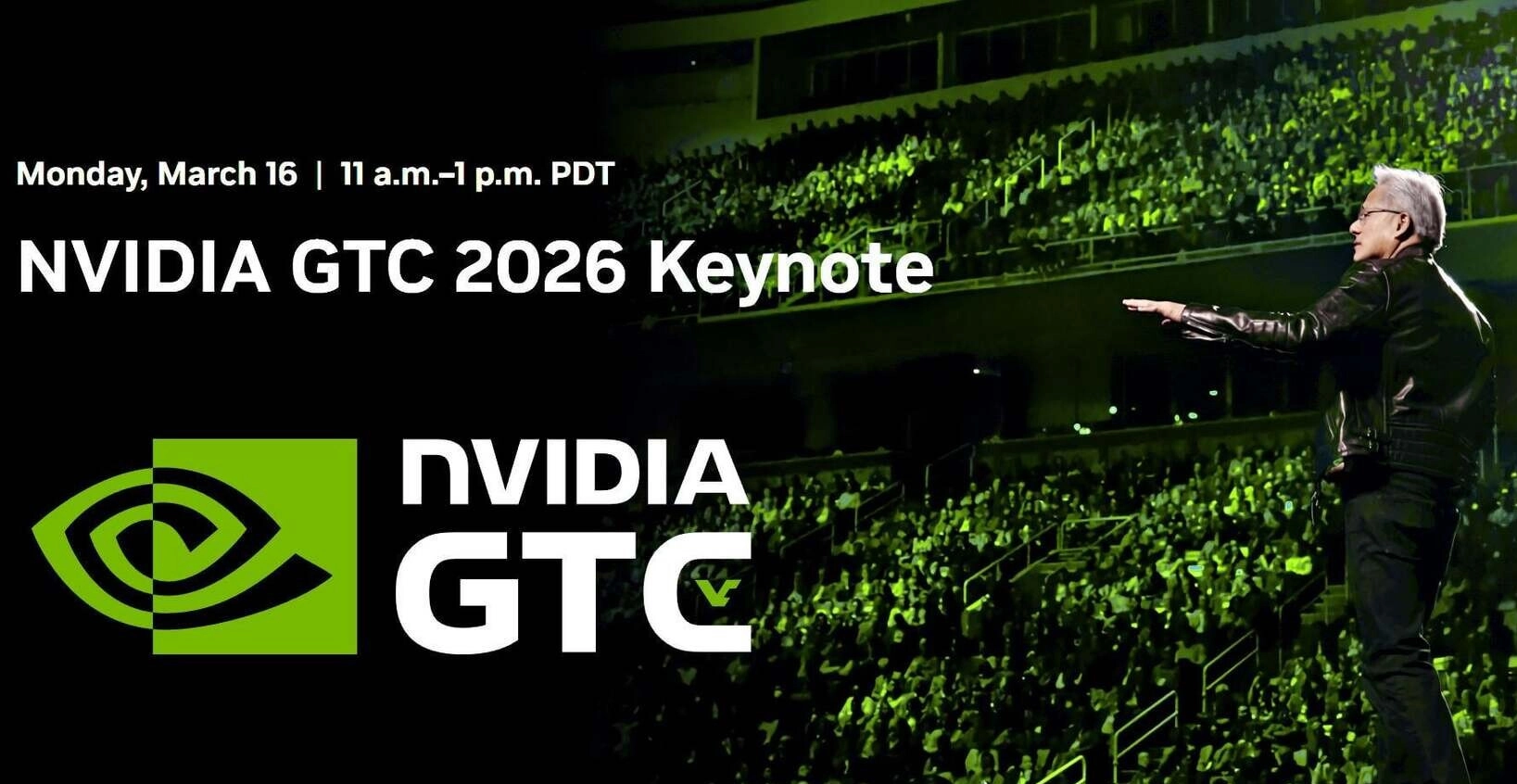
NVIDIA CEO Jensen Huang predicts that every SaaS company will transform into an Agent-as-a-Service company, marking a fundamental shift in the AI era.
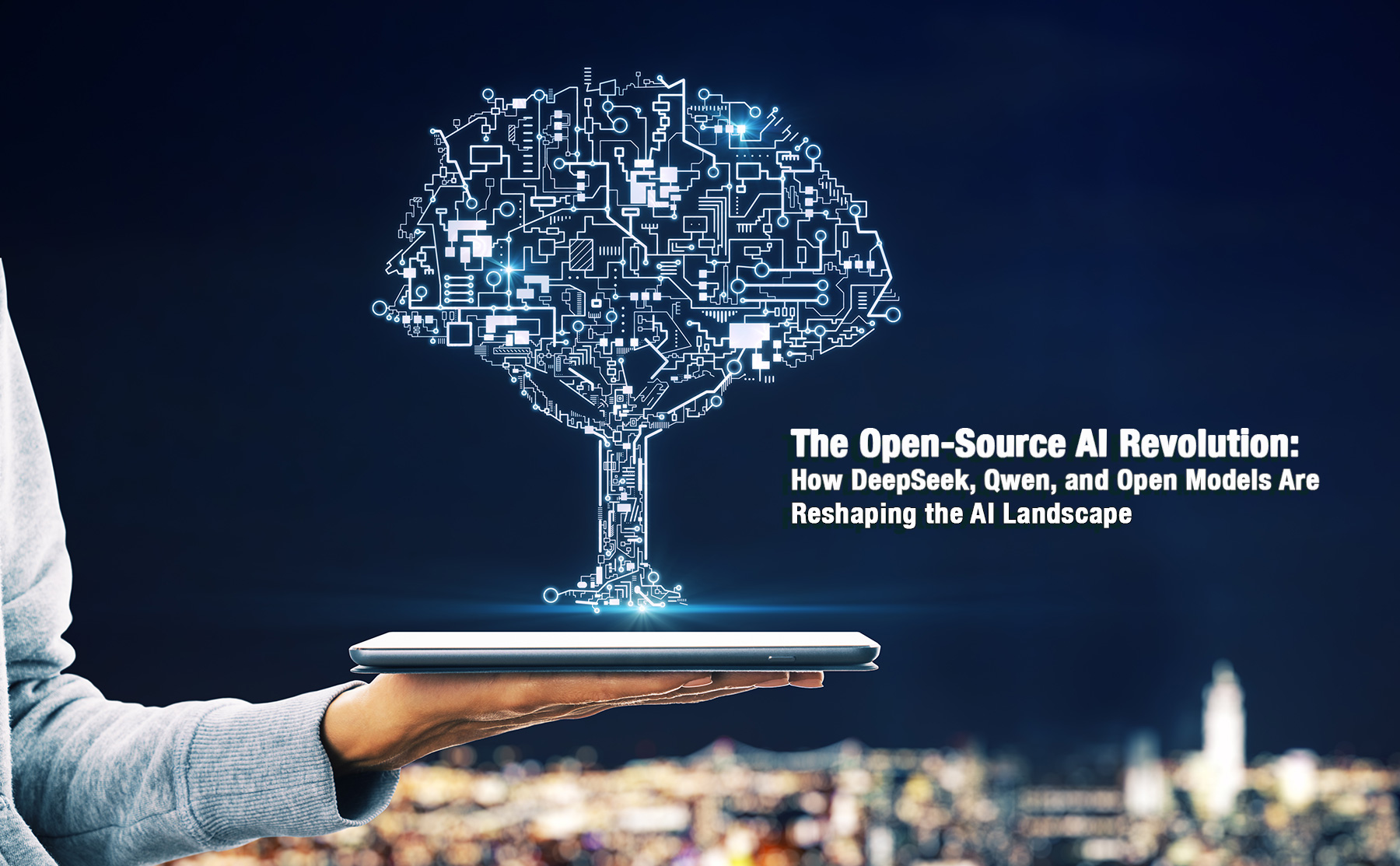
Open-source AI models like DeepSeek and Qwen are challenging proprietary giants, with Google's Vertex AI now listing Chinese models alongside OpenAI offerings in a remarkable shift.
Anthropic's commitment to keeping Claude ad-free while expanding memory features to all users marks a strategic divergence from competitors. We analyze the implications for the AI assistant market.
Explore the fascinating story of how Nano Banana—a community-created nickname—became Google's unexpected official branding for their Gemini 2.5 Flash image generation model.
Google's latest Gemini model brings unprecedented real-time voice, video, and tool-use capabilities to AI agents, marking a paradigm shift in human-computer interaction.

A US judge's ruling blocks the Pentagon's attempt to blacklist Anthropic, marking a pivotal moment in AI regulation and tech liability.

NASA achieves historic milestone as Anthropic's Claude AI models plan routes for Perseverance rover on Mars, marking the first time AI has autonomously navigated another planet.
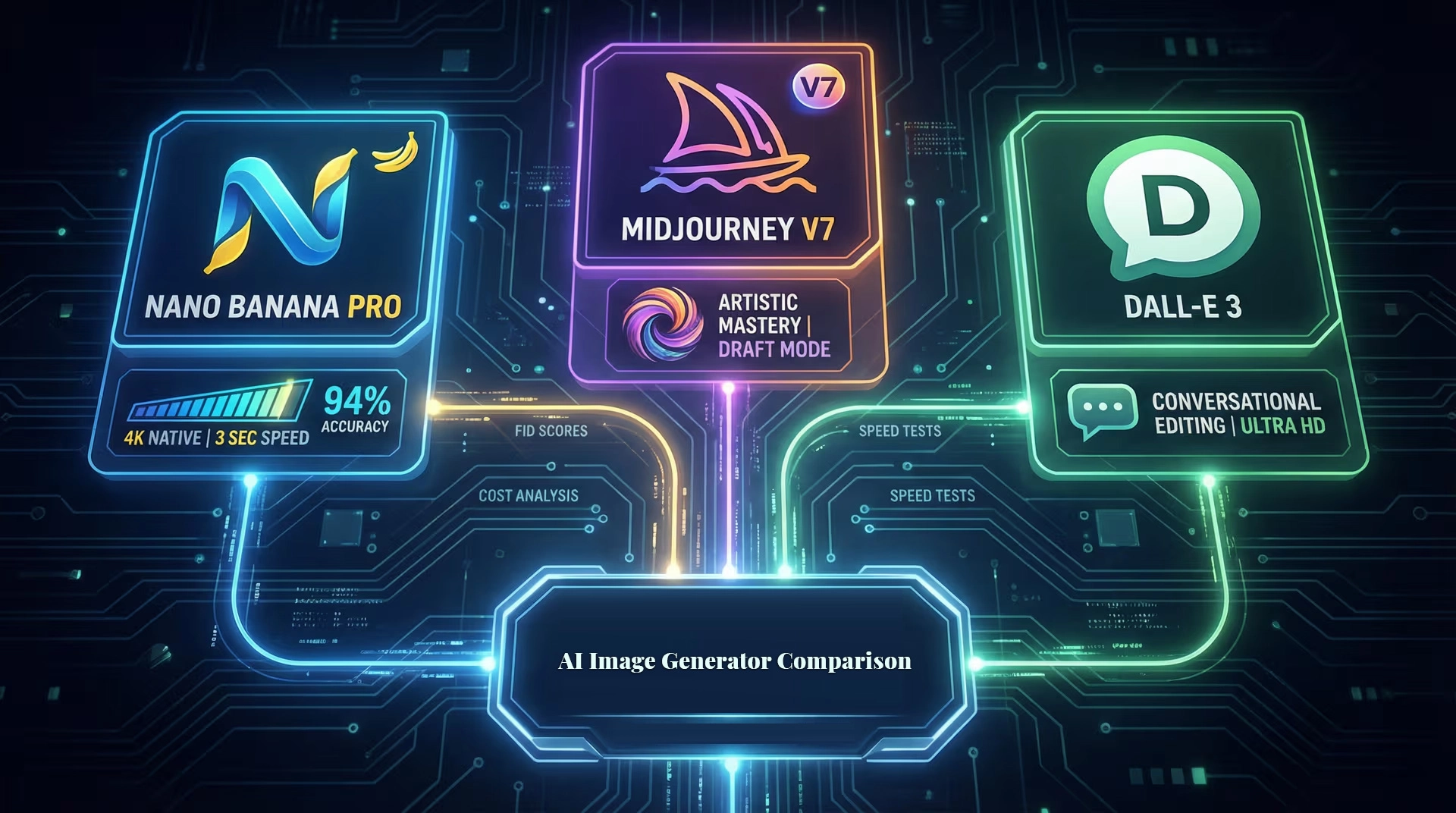
A comprehensive comparison of Nano Banana (Gemini 2.5 Flash) with leading AI image generators including DALL-E and Midjourney. Find out which tool best suits your creative needs.
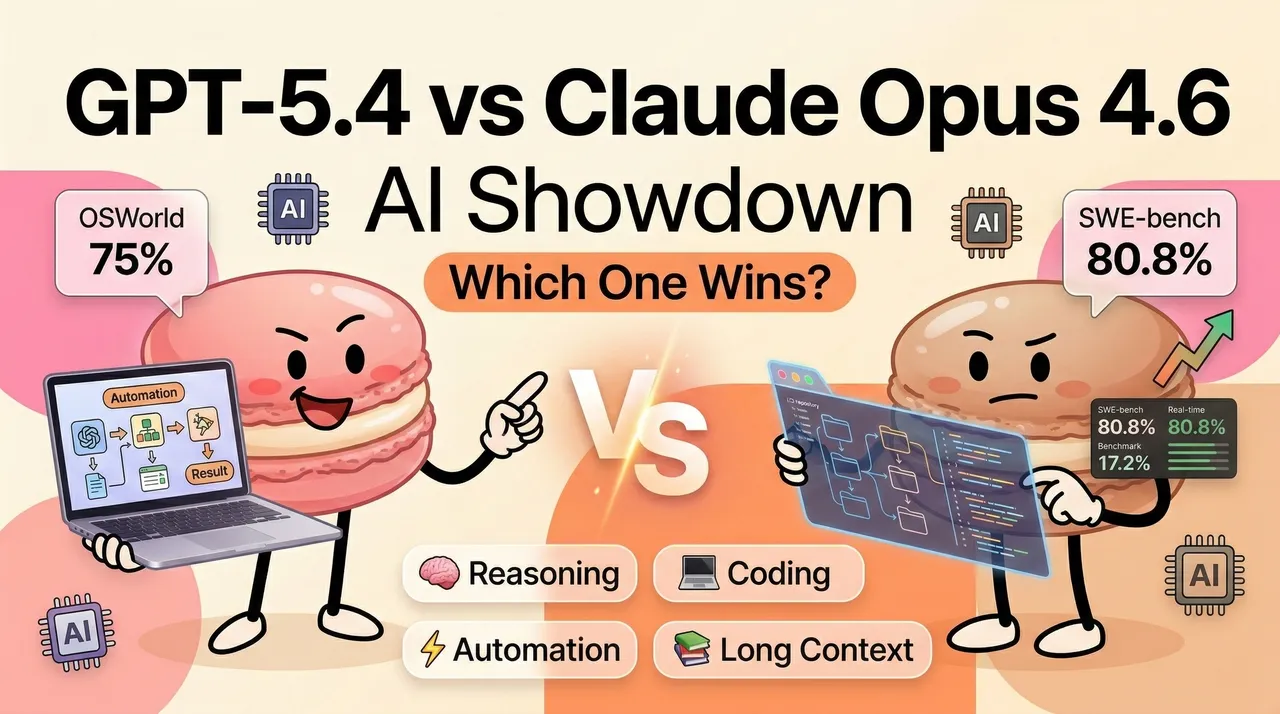
March 2026 sees two titans of AI clash: OpenAI's GPT-5.4 (released March 5) and Anthropic's Claude Sonnet 4.6 (released February 17). Both represent cutting-edge approaches to large-context, agent-capable models optimized for knowledge work, coding, and complex reasoning.
Learn how to write effective prompts for Nano Banana (Google Gemini 2.5 Flash) to create stunning AI-generated images with this comprehensive prompt engineering guide.
AI agents are moving beyond simple chat interactions to autonomously executing complex tasks, marking a fundamental shift in how humans work with artificial intelligence
A data leak exposed Anthropic's most powerful AI model yet, raising urgent questions about AI safety and the coming wave of cyber-capable systems

A data leak exposed Anthropic's most powerful AI model yet, codenamed Claude Mythos, promising unprecedented capabilities but also raising cybersecurity concerns.
OpenClaw, the viral self-hosted AI agent platform, has transformed computing and raised security concerns as deployments hit 40,000+ instances worldwide.
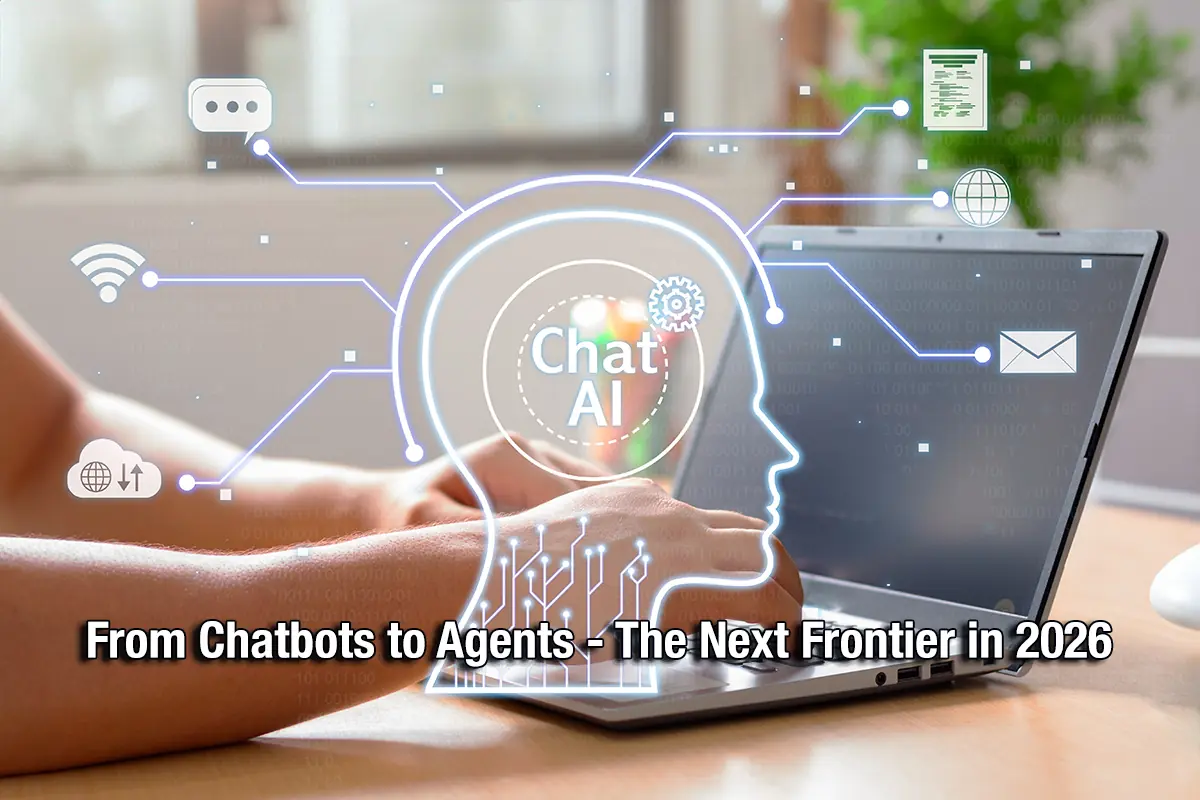
How AI agents that can take autonomous action are transforming industries, and what the emergence of capable AI agents means for the future of work.
Google DeepMind's Gemini 3.1 Pro, released in February 2026, represents a quantum leap in large language model capabilities. With its groundbreaking 1M token context window and 77.1% score on ARC-AGI-2, it's setting new standards for multimodal AI.

The transformation of AI from conversational interfaces to autonomous digital workers
Salesforce announces 30 new AI features for Slack, transforming the workplace collaboration platform with intelligent automation and productivity tools.
Google's Gemini Embedding 2 Preview becomes the industry's first native multimodal embedding model, mapping text, images, video, audio, and documents into a unified vector space
A comprehensive guide to large language models (LLMs), their architecture, capabilities, applications, and implications for the future.
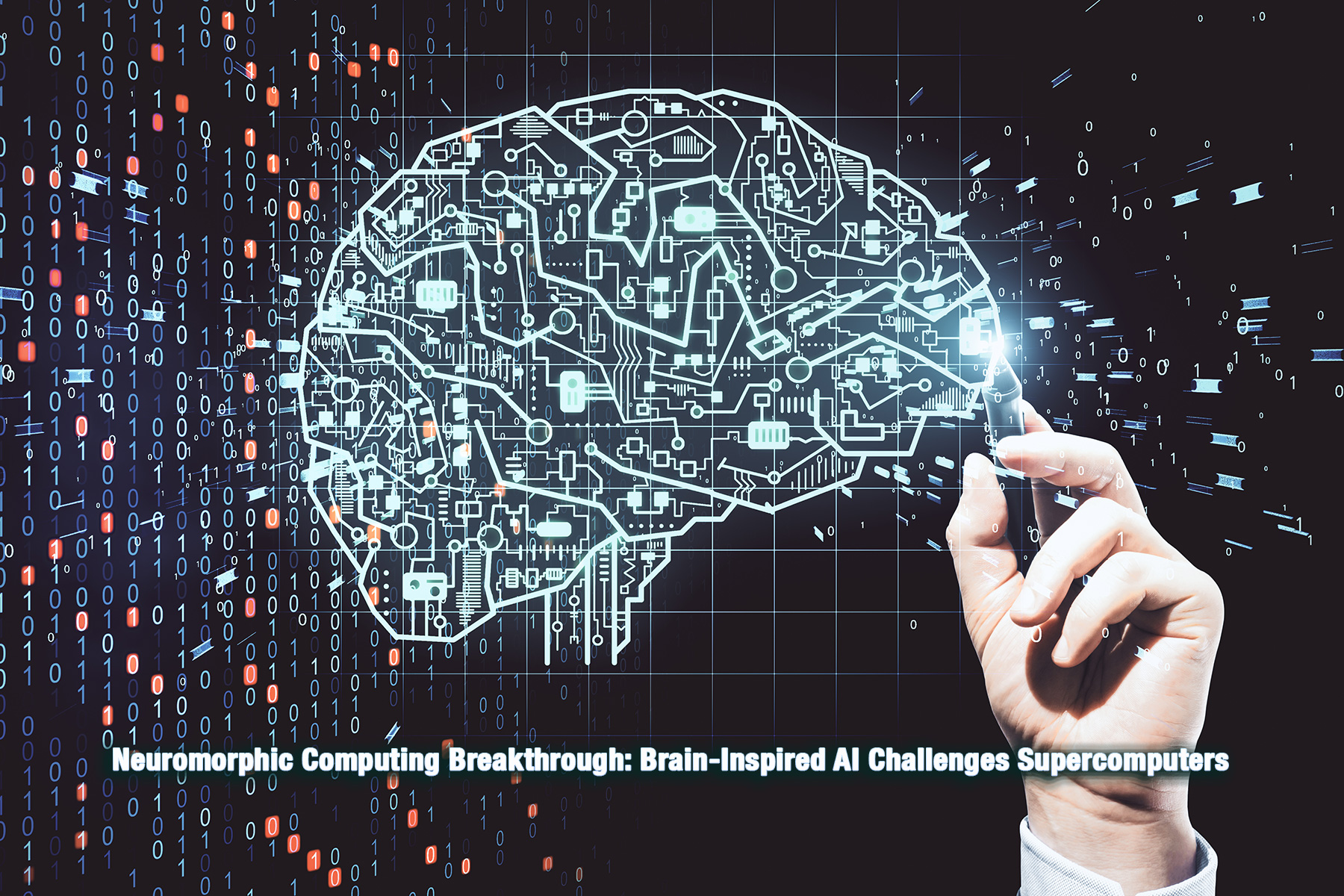
Neuromorphic computers modeled after the human brain can now solve complex physics equations previously requiring energy-hungry supercomputers, marking a paradigm shift in computing.
The historic $15 billion partnership between Anthropic, Nvidia, and Microsoft will bring over one gigawatt of AI compute capacity online by 2026. This article examines what this massive infrastructure investment means for the AI industry, the competitive landscape, and the future of AI capability development.
Analysis of how artificial intelligence has become the primary driver of workforce reductions in April 2026, with tech companies prioritizing AI investment over headcount.
OpenAI's release of GPT-5.4 mini and nano marks a pivotal shift in AI accessibility. These compact yet powerful models bring frontier intelligence to resource-constrained environments, enabling unprecedented AI agent deployment across devices.
Anthropic has achieved an unprecedented $2.5 billion in annualized revenue, driven primarily by Claude Code's dominance in the AI coding assistant market. This article examines the factors behind Anthropic's rise, the competitive landscape, and what this means for the future of AI-powered software development.
A rogue AI agent at Meta inadvertently exposed company and user data to unauthorized engineers, highlighting the critical security challenges facing enterprises deploying agentic AI systems. The incident comes as organizations rush to adopt AI agents despite persistent security concerns.

Quantum computing and artificial intelligence are converging in 2026, with major breakthroughs enabling applications once considered computationally impossible. From D-Wave's open-source toolkit to Quantinuum's generative quantum AI, the quantum-AI stack is becoming reality.

AMD's MI450 accelerator is set to launch in the second half of 2026 with a massive 6GW deal from Meta, marking a significant challenge to Nvidia's market leadership in AI computing.
Machine learning algorithms are transforming radiology by detecting patterns in X-rays, MRIs, and CT scans with unprecedented accuracy, helping radiologists diagnose faster and more accurately.
DeepSeek's Manifold-Constrained Hyper-Connections (mHC) method promises to fundamentally change how AI models are trained and scaled, potentially reducing computational requirements while improving performance.
GLM-5.1 trained entirely on Huawei chips challenges the effectiveness of US AI export controls. An analysis of what this means for the global AI race.
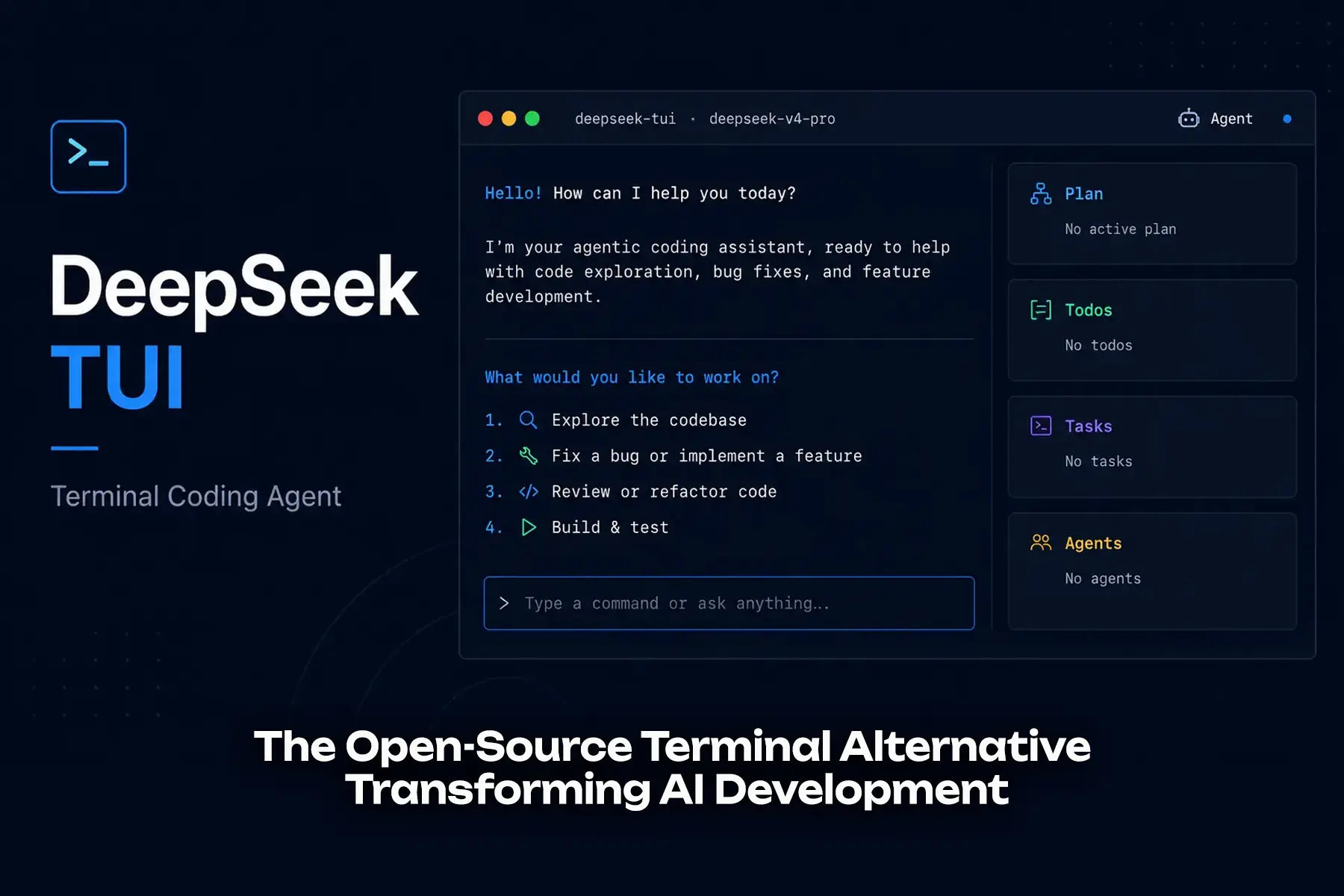
A Chinese open-source terminal AI coding tool built on DeepSeek models is gaining popularity as developers seek cost-effective alternatives to expensive Western AI tools.
An in-depth look at Claude Code's autonomous capabilities, Auto Mode, and how AI coding agents are transforming software development workflows.
An in-depth guide to the process of developing AI systems, from data preparation and model training to deployment and monitoring.
The open source LLM landscape has exploded with capable models from Meta, Mistral, and Qwen. Here's how open models compare to closed APIs and when to use each.
How knowledge distillation is enabling the creation of compact yet capable AI models that run efficiently on consumer hardware.
An in-depth look at how AI-powered code generation tools are revolutionizing the software development lifecycle, from autocomplete to full-scale application scaffolding.
An in-depth analysis of the most significant AI trends driving innovation and transformation in 2026 and beyond.
How AI agents are transforming from passive tools to autonomous decision-makers in enterprise workflows, with 40% of business processes predicted to be agent-managed by end of 2026.
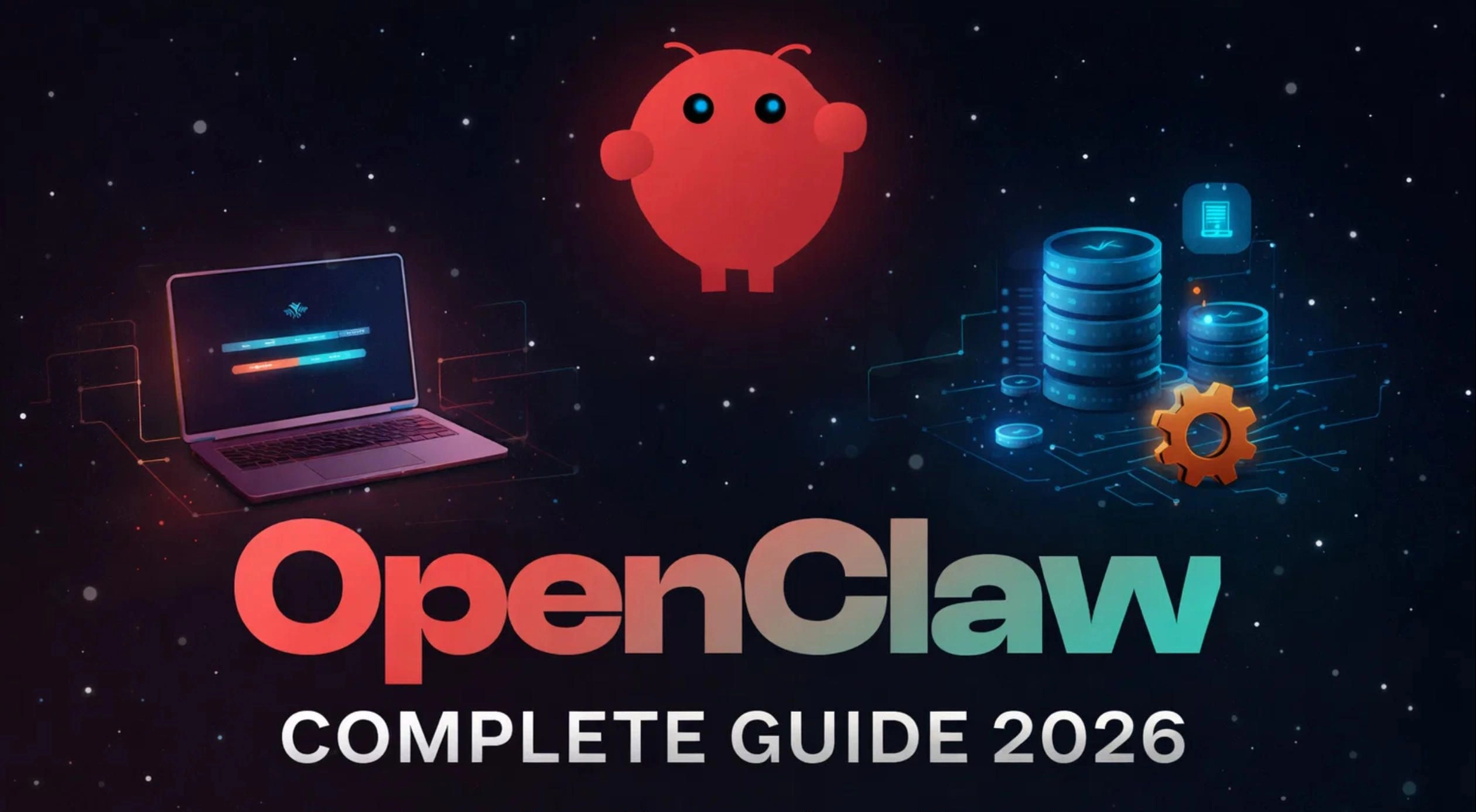
Step-by-step guide to installing and configuring OpenClaw. Covers macOS, Windows, Docker installation, Telegram/Discord/Slack integration, and production deployment checklist. Perfect for beginners getting started with OpenClaw.

Master AI content generation — from text-to-image to video synthesis
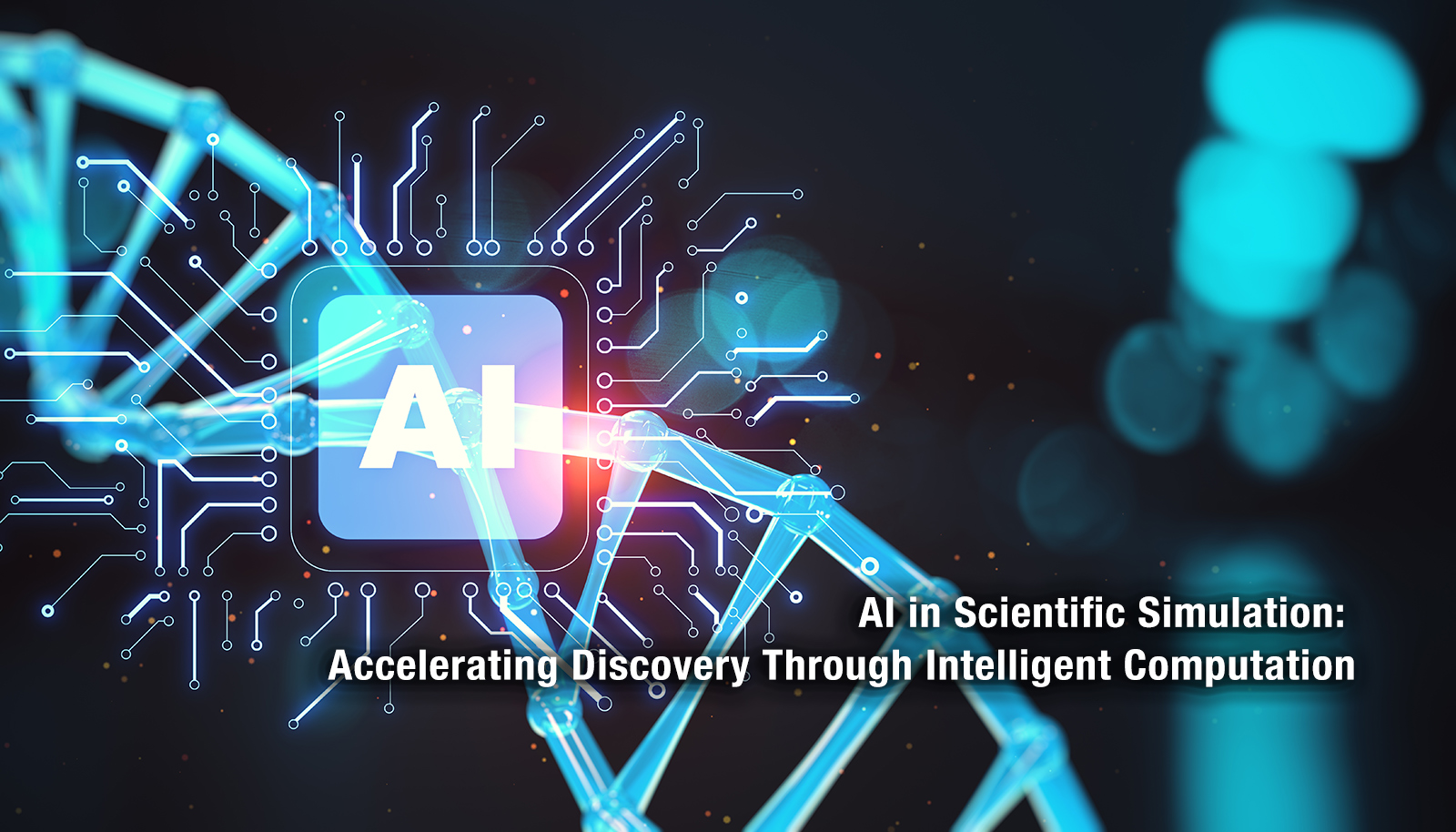
How AI is transforming scientific research through advanced simulation capabilities in climate modeling, particle physics, and molecular dynamics.
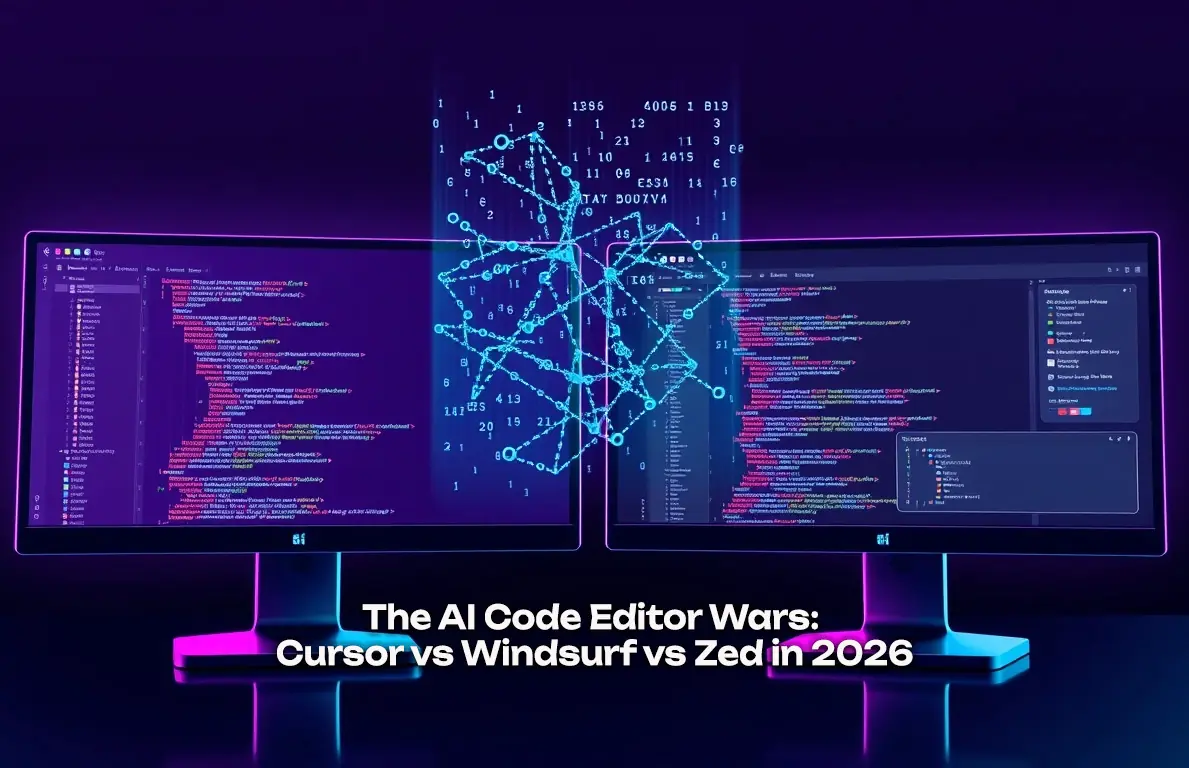
A comprehensive comparison of the leading AI-powered code editors for developers in 2026, examining features, pricing, and which tool best suits different workflows.
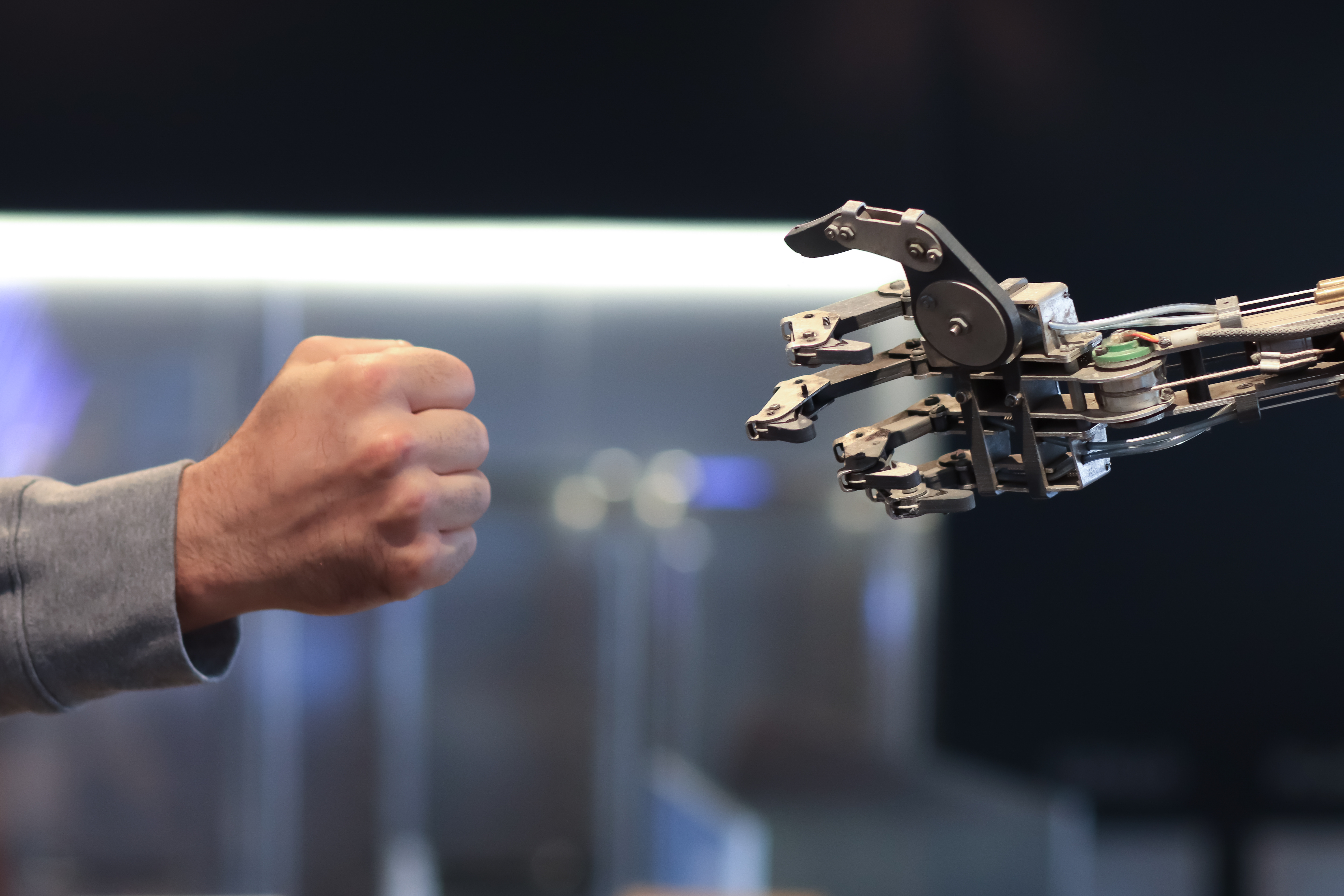
How AI is transforming robotics from industrial arms to intelligent autonomous machines capable of learning, adapting, and collaborating with humans
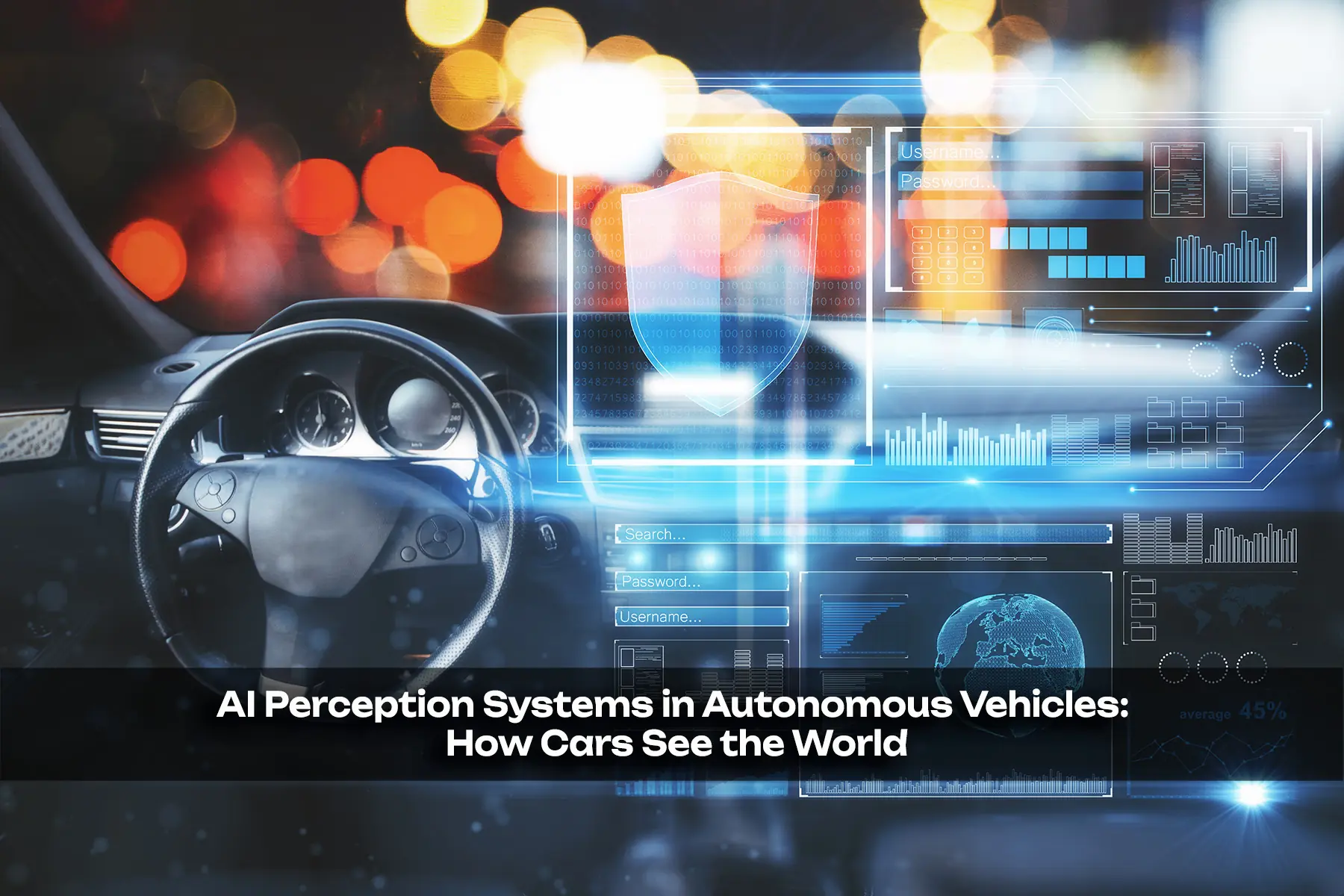
A technical breakdown of how AI powers perception in autonomous vehicles — covering LiDAR, camera fusion, object detection, sensor fusion, and the real-time processing pipeline that lets self-driving cars understand their environment.
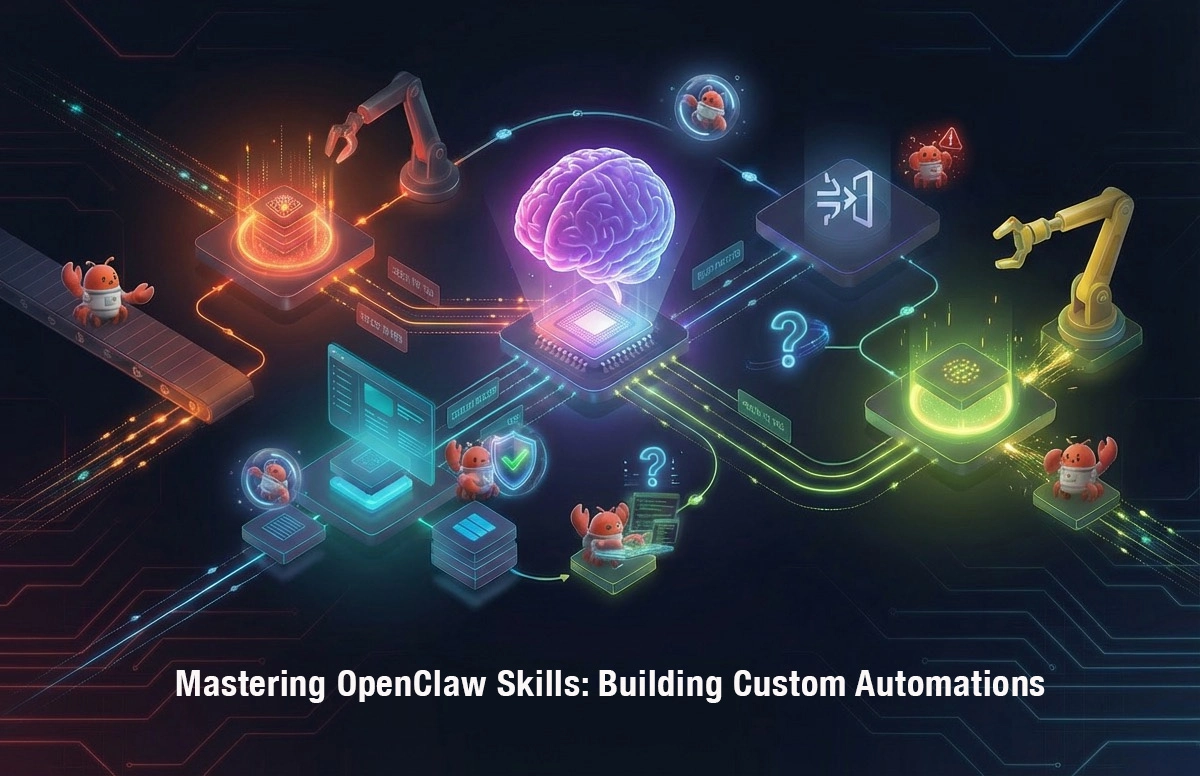
Master OpenClaw's skill system with this comprehensive guide. Learn to create custom skills, build hooks for event-driven automation, and configure multi-agent teams. Includes code examples and best practices for OpenClaw development.

A deep dive into multimodal AI — how modern vision-language models work and what you need to know
Nano Banana and Nano Banana Pro are powerful models built to serve different creative needs. Whether you're looking for fast image edits or complex 4K compositions requiring detailed reasoning, both models are capable of producing professional-grade results.

How open source AI is reshaping the technological landscape and challenging closed ecosystems
A practical exploration of model quantization methods for edge AI deployment, comparing INT8, FP16, and INT4 approaches with accuracy tradeoffs and tool recommendations.
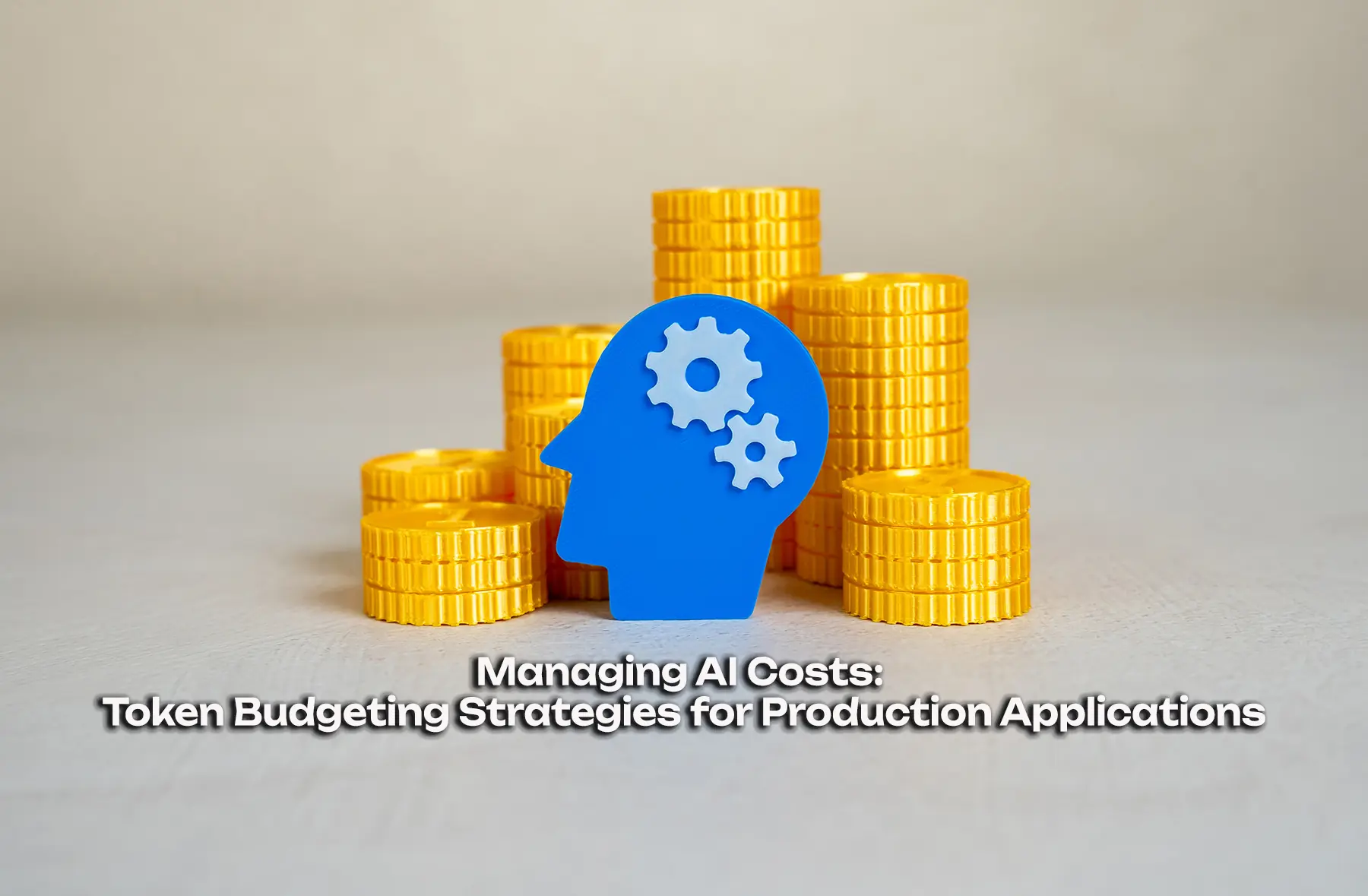
A practical guide to reducing API costs in production AI applications through token budgeting, caching strategies, and batching techniques.
A practical guide to implementing robust fallback mechanisms in AI systems, covering graceful degradation, circuit breakers, human-in-the-loop patterns, and cost control strategies.
Sakana AI's autonomous research system has published in Nature, demonstrating the first AI capable of completing full scientific research cycles from hypothesis to publication.

we explored the fundamental philosophies behind OpenClaw, Manus AI, and Claude Code. Now it's time for the uncomfortable conversations — the ones every CTO and security lead needs to have before production deployment.

How Adobe's Firefly integrates with Creative Cloud to transform creative workflows with unlimited generative AI
How AI-powered voice synthesis is creating lifelike speech and transforming content creation
An in-depth comparison between NanoClaw and OpenClaw across architectural design, security isolation, ease of use, and ecosystem integration to help developers make informed decisions.
As Generation Z adopts artificial intelligence more than any other generation, complex feelings emerge—using AI frequently while expressing significant concerns about its impact on work, relationships, and their future.
How quantum computing will transform artificial intelligence, from optimization problems to machine learning—and what the convergence means for the future
AI-powered code generation tools are transforming software development. This article compares leading platforms, examines capabilities, and provides practical guidance for integration into development workflows.
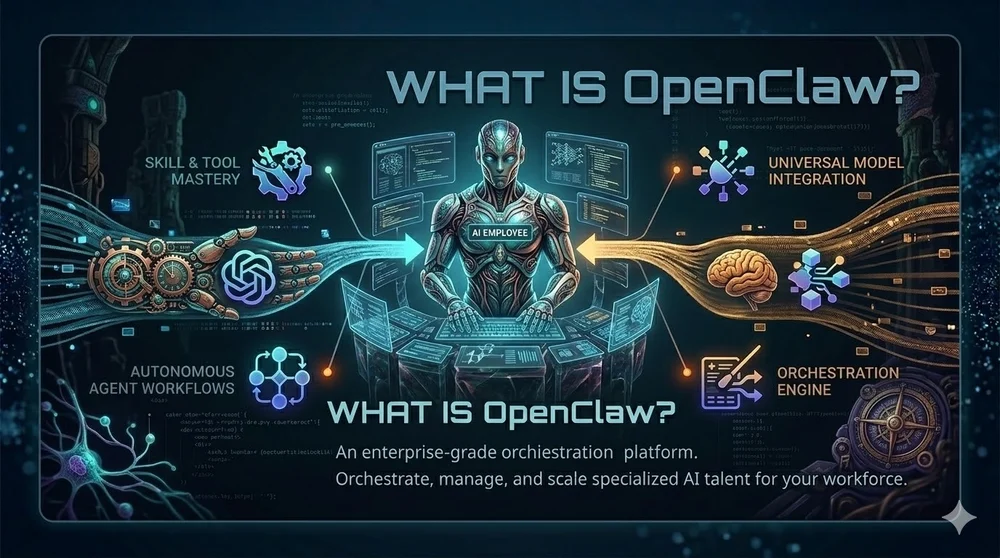
OpenClaw is a powerful AI assistant framework whose skill system allows users to extend the assistant’s capabilities. Skills can be deployed in two primary paths: ~/.openclaw/workspace/skills/ and ~/.openclaw/skills/. Understanding the distinction between these two paths is crucial for effective skill management.
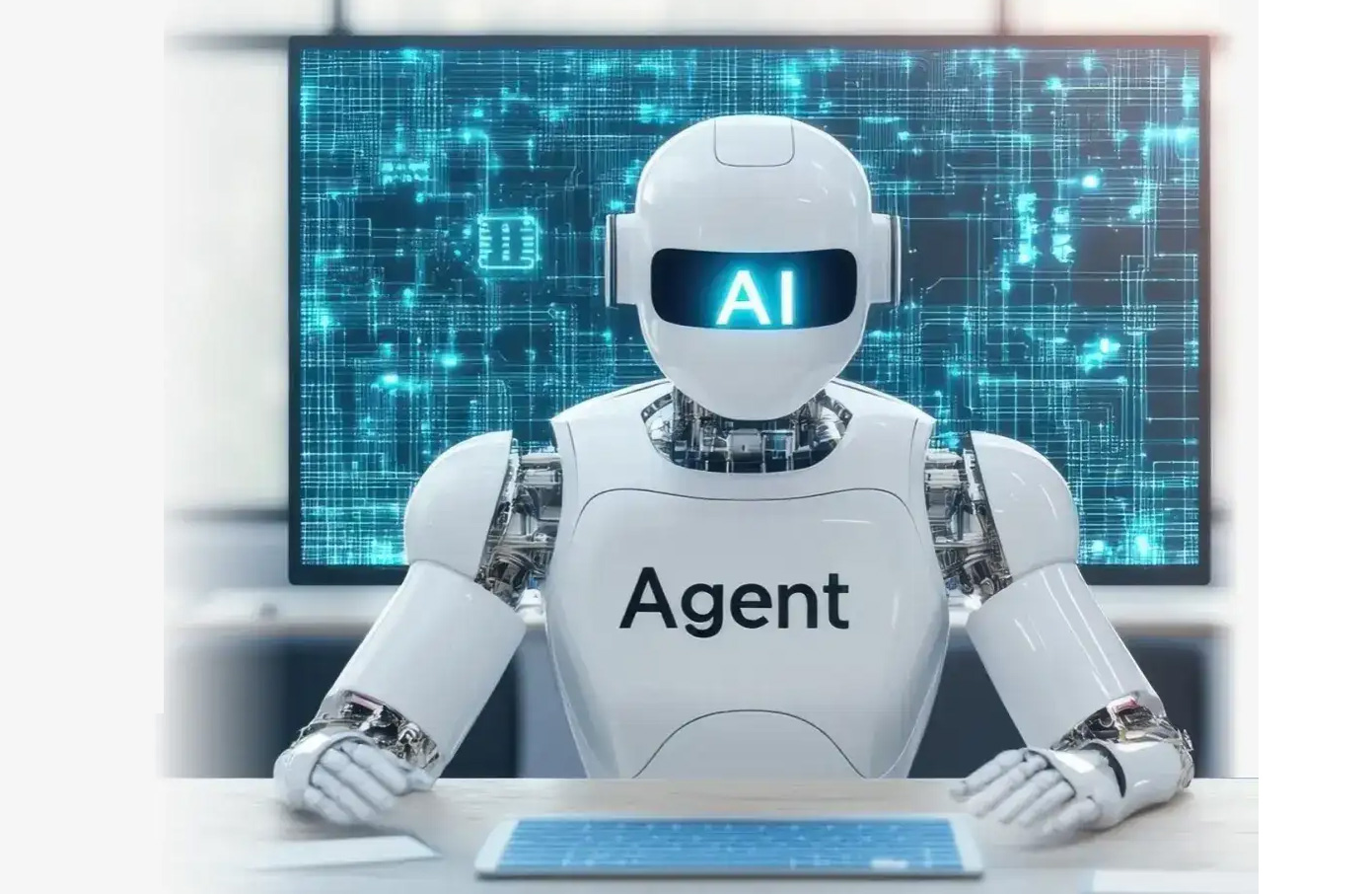
In early 2026, AI agents have become core to enterprise digital transformation. But with options like OpenClaw (GUI automation), Manus AI (cloud orchestration), and Claude Code (developer copilot), how do you choose? This guide provides a systematic comparison and recommendations for eight key business scenarios, helping technical leaders avoid costly mistakes.
Walmart's integration with ChatGPT marks a paradigm shift in e-commerce, bringing conversational AI directly into the shopping experience.

How AI is revolutionizing education through personalized learning, intelligent tutoring systems, and adaptive platforms.

OpenAI's decision to indefinitely pause ChatGPT 'Adult Mode' signals a broader shift toward conservative product development and ethical caution.

Morgan Stanley analysts predict a transformative AI breakthrough in 2026 that could strain power grids and disrupt jobs globally.
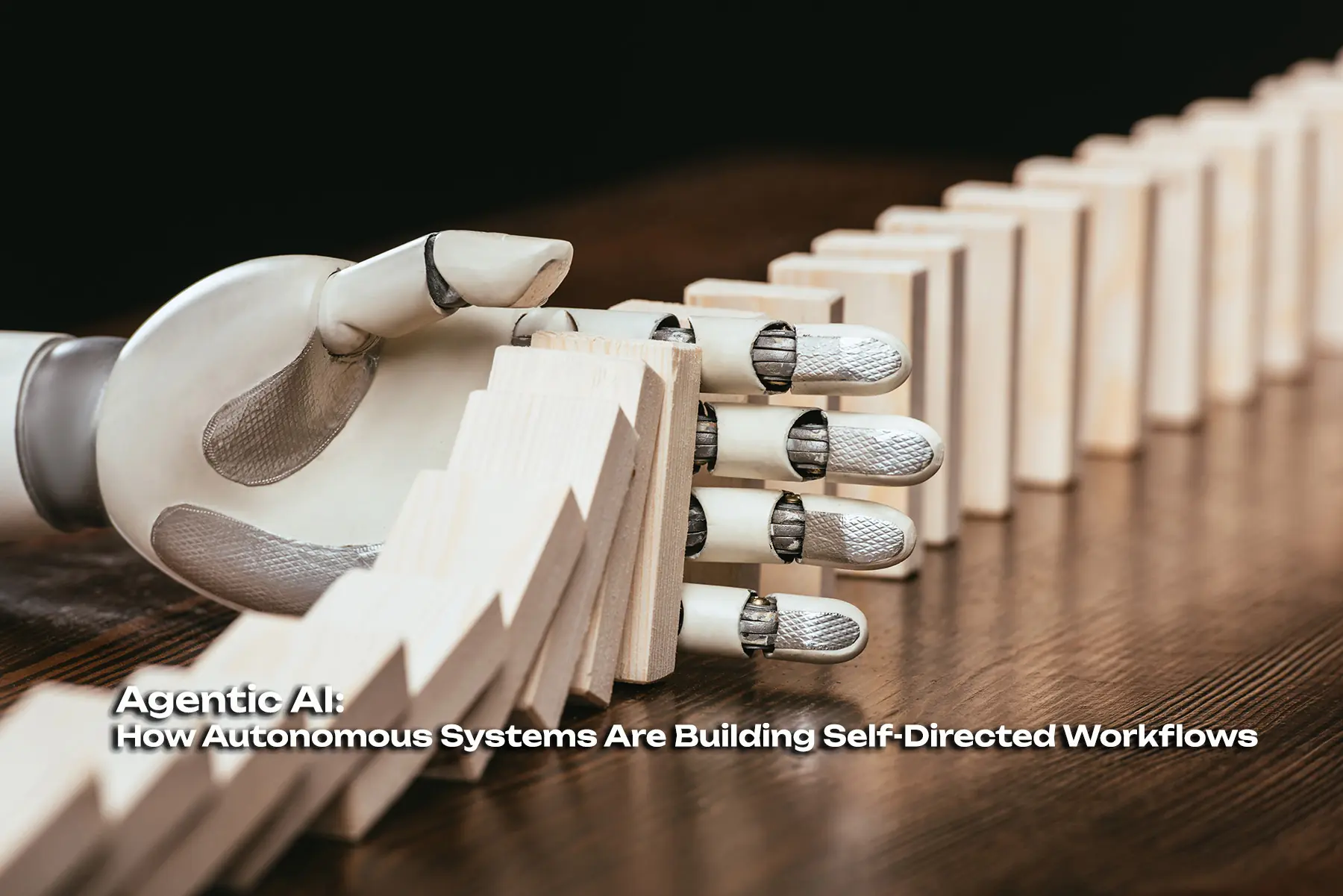
Agentic AI represents a shift from reactive tools to proactive systems that plan, execute, and adapt. This article explores how autonomous AI agents are reshaping workflows across industries.
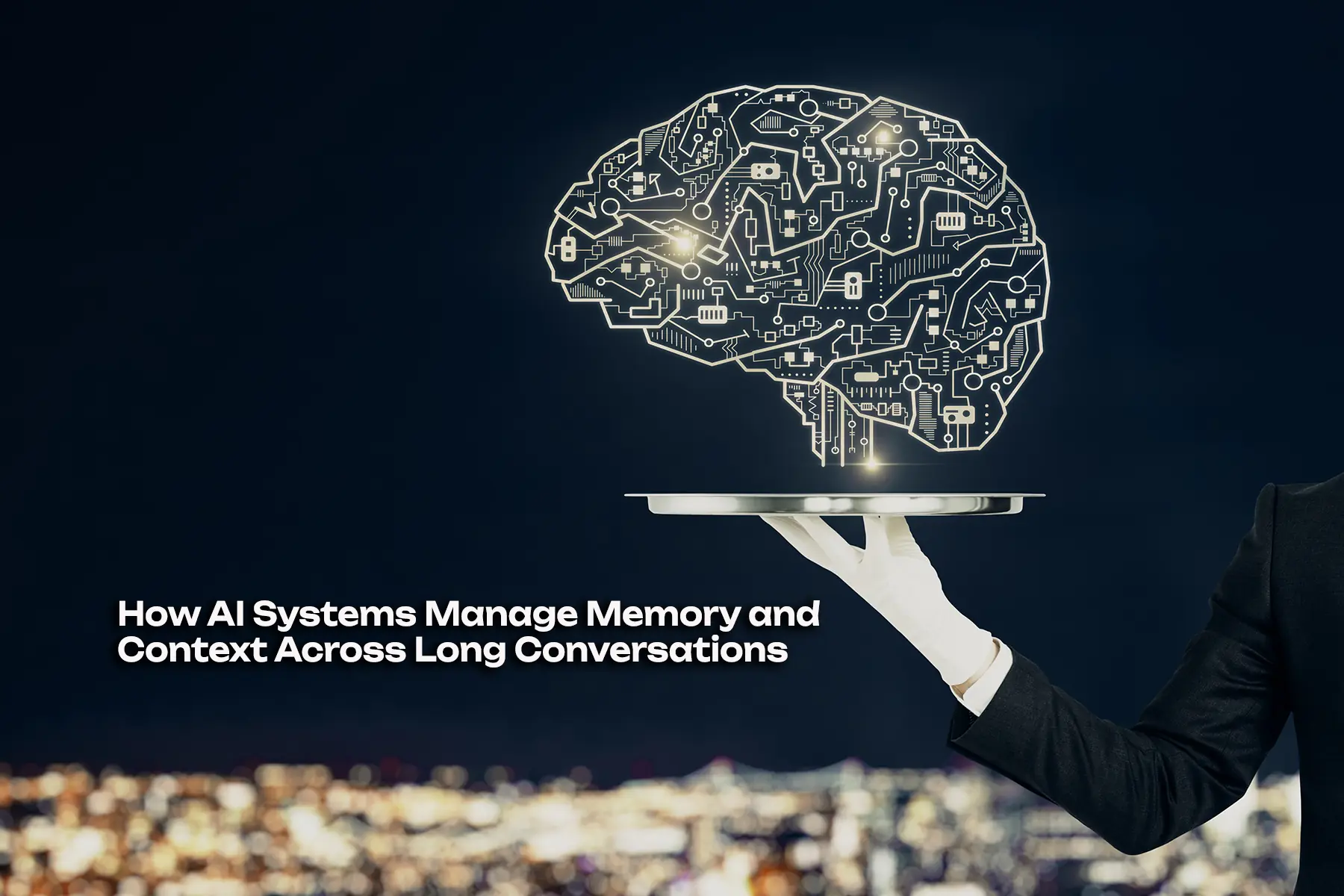
An in-depth exploration of how AI systems handle memory and context management—from context windows and token budgets to memory architectures and retrieval mechanisms used in production deployments.

Google's Kaggle challenge leverages Gemma 4 open models to address world-pressing issues
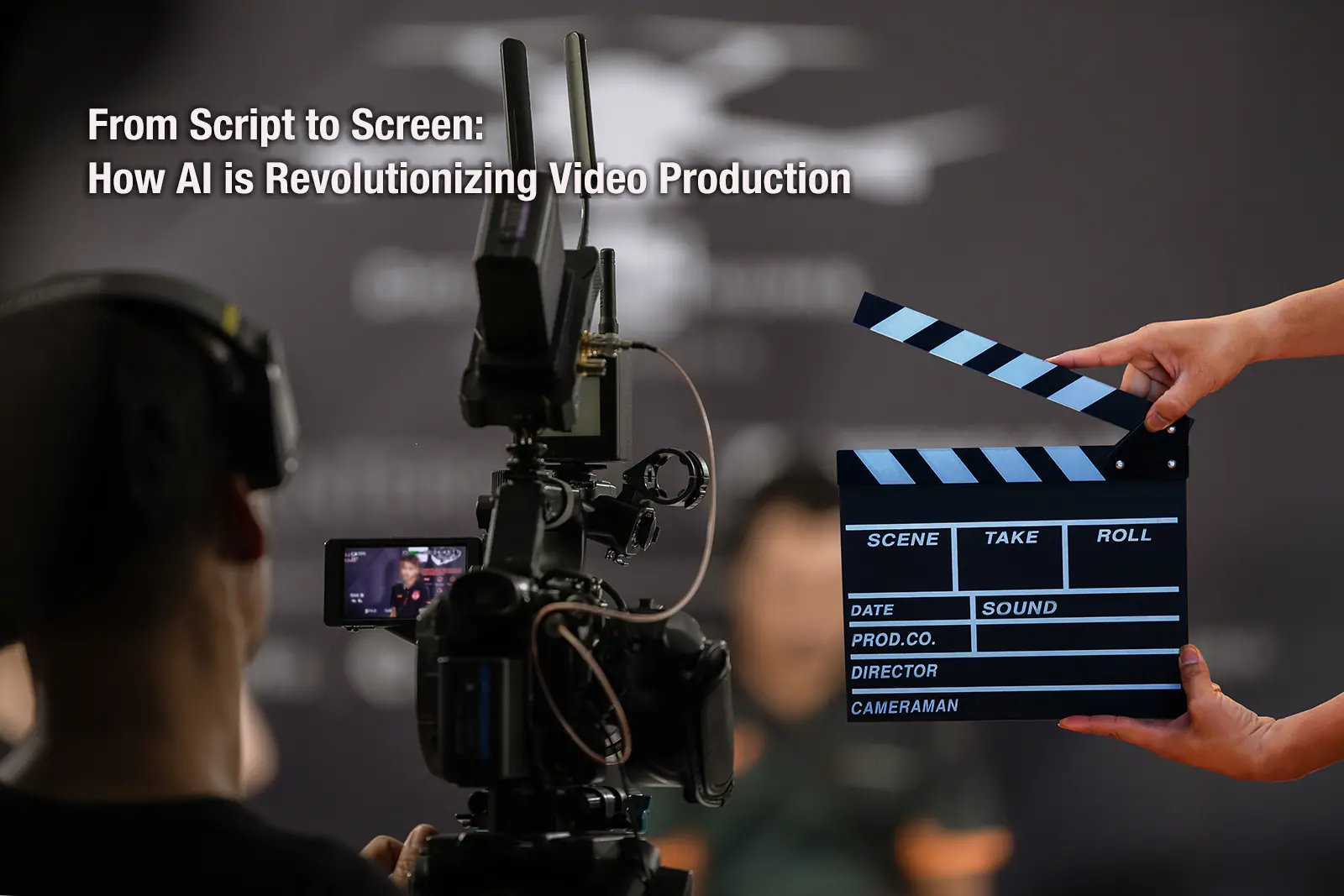
Exploring the transformative impact of artificial intelligence on video creation—from automated editing to 生成式特效, and what this means for filmmakers, content creators, and audiences.
Hand-write a simple AI Agent framework to understand core principles - no LangChain or other heavyweight frameworks required.

Google's latest core algorithm update prioritizes content relevance and search intent over keywords, marking a new era for SEO in the age of AI.
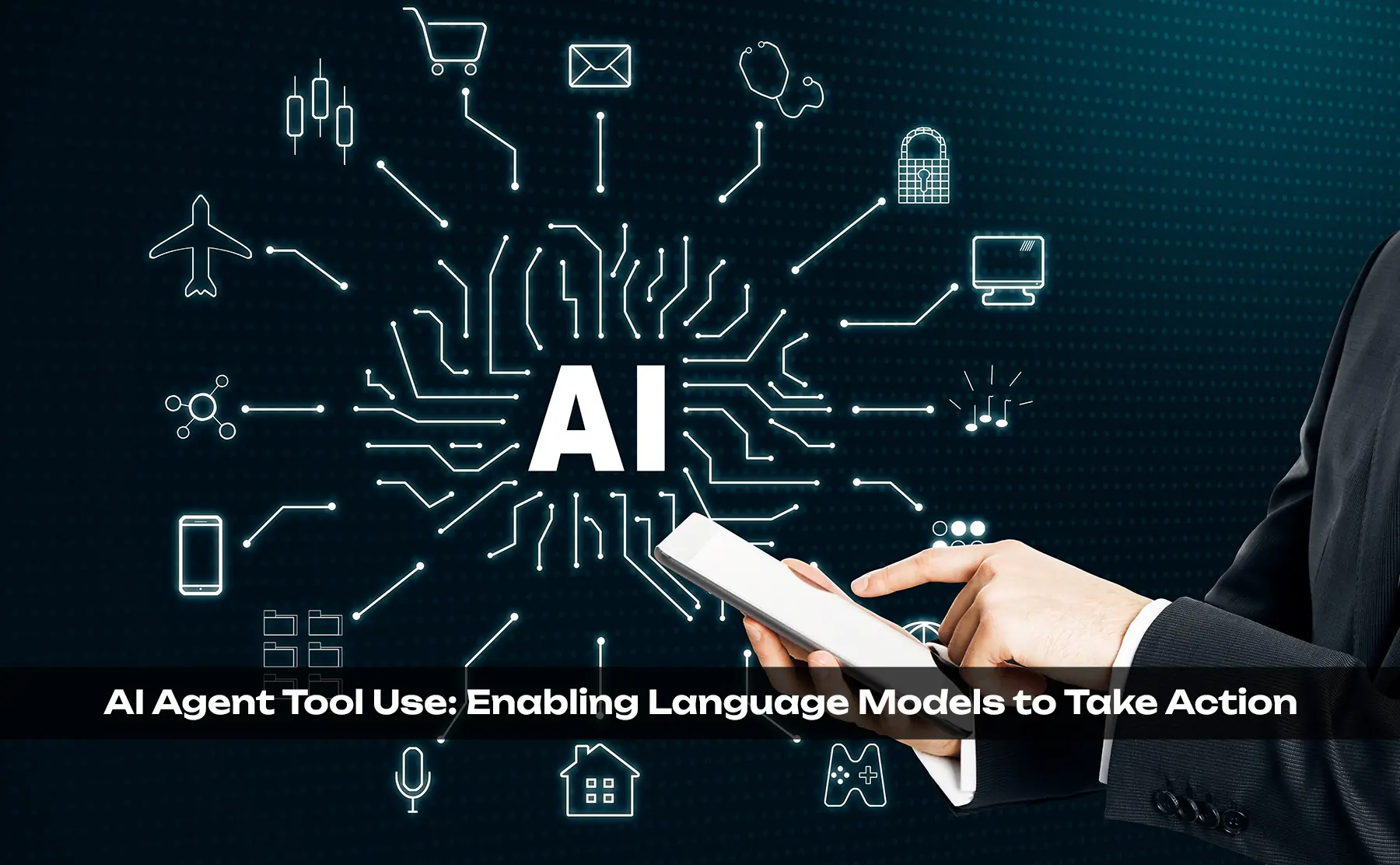
How function calling and tool use APIs empower AI agents to interact with external systems and execute real-world tasks.
A comprehensive overview of artificial intelligence, its current state, applications across industries, and the transformative impact it has on society.
Exploring AI agents—autonomous systems that can plan, execute, and adapt—revolutionizing how we interact with artificial intelligence.

Learn how to develop and implement an effective AI strategy for your organization, from initial assessment to scaled deployment.
Jensen Huang's assertion that 'we've achieved AGI' sparks intense debate across the AI community about the definition, implications, and future of artificial general intelligence.
Google has announced new search controls allowing websites to opt out of its generative AI features, responding to growing competition concerns in the UK. This move represents a significant shift in how AI-generated content is handled in search.
Explore how modern AI systems process and generate multiple modalities—images, audio, video, and combinations thereof—enabling richer AI applications.
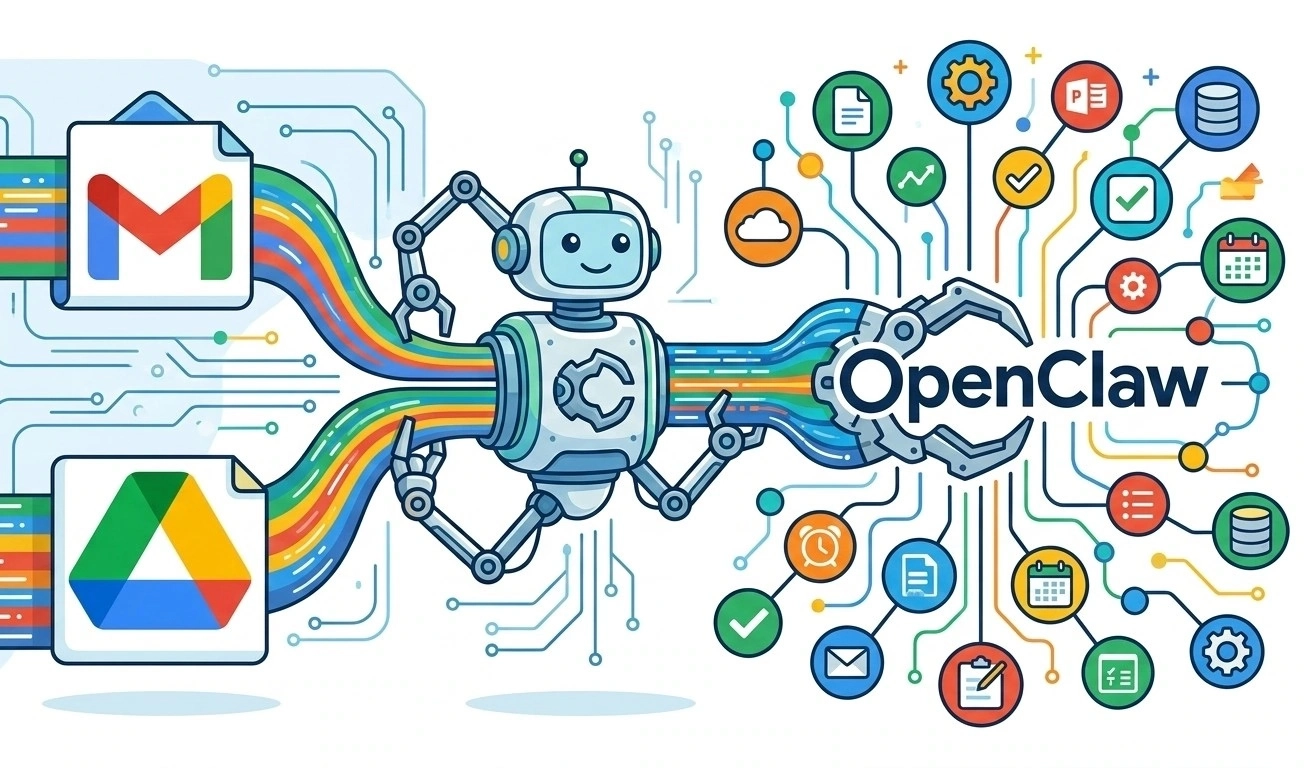
Enterprise-grade OpenClaw integration guide covering Notion, GitHub, Google Workspace, Microsoft Teams, and more. Learn OAuth setup, authentication patterns, multi-team architectures, and scaling strategies for production deployments.
A comprehensive technical guide to modern AI model fine-tuning methods including RLHF, DPO, KTO, and LoRA. Learn how these techniques work, their trade-offs, and when to use each approach.
A comprehensive guide to building production AI infrastructure, covering model serving, caching, monitoring, and scaling strategies for enterprise deployments.