
AI Code Generation: How Machine Learning is Transforming Software Development
An in-depth look at how AI-powered code generation tools are revolutionizing the software development lifecycle, from autocomplete to full-scale application scaffolding.
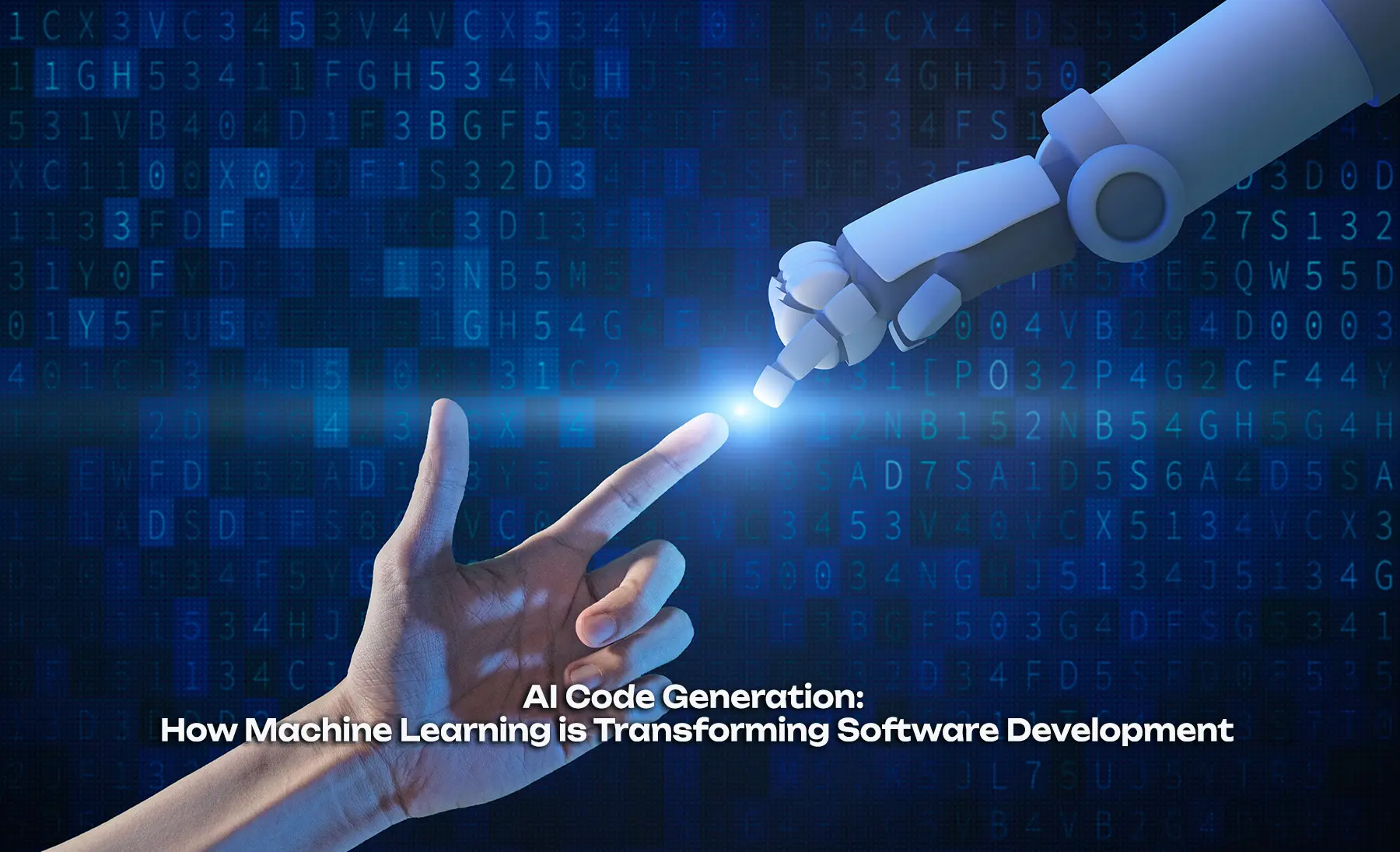
The landscape of software development has undergone a dramatic transformation in recent years, with AI-powered code generation tools emerging as essential companions for developers across all skill levels. This article explores the current state of AI code generation, examining the technologies behind these tools, their practical applications, and the implications for the future of programming. From intelligent autocomplete systems to full-scale code scaffolding, AI is redefining what it means to write software.
Introduction
Software development has always been about translating human ideas into machine-executable instructions. However, the way developers accomplish this task has evolved significantly. Today, AI-powered code generation tools stand at the forefront of this evolution, offering capabilities that would have seemed like science fiction just a decade ago.
The journey from simple autocomplete to sophisticated AI code generation represents one of the most impactful applications of machine learning in the developer ecosystem. These tools do not merely suggest the next word or line of code; they understand context, patterns, and even the intent behind the code being written.
The Evolution of AI Code Generation
From Autocomplete to Intelligent Assistance
The earliest forms of code assistance were relatively simple: IDEs offered basic autocomplete functions that suggested keywords and variables already defined in the project. These systems relied on pattern matching and static analysis, providing limited value beyond saving a few keystrokes.
Modern AI code generation has transcended these limitations. Today's tools leverage large language models trained on vast repositories of open-source code, enabling them to understand programming semantics, common patterns, and best practices across hundreds of programming languages and frameworks.
Key milestones in this evolution include:
| Era | Technology | Capability |
|---|---|---|
| 2000s | Basic IDE autocomplete | Keyword and variable suggestions |
| 2010s | Intelligent completion | Context-aware suggestions based on project |
| 2020s | LLM-powered coding | Full function generation, bug detection |
| 2026 | Autonomous coding | Multi-file scaffolding, architectural suggestions |
The Technology Behind Modern Code Generation
At the heart of modern AI code generation lies transformer-based language models specifically fine-tuned for code understanding and generation. These models are trained on massive corpora of code repositories, documentation, and programming discussions, enabling them to capture the nuances of how software is written across different languages and domains.
The technical architecture typically includes:
- Code tokenization: Specialized tokenizers that understand code syntax, treating programming languages similarly to natural language while preserving structural elements
- Context windows: Extended context capabilities allowing the model to understand entire files or even multiple files simultaneously
- ** Retrieval augmentation**: Integration with documentation and codebases to provide accurate, up-to-date suggestions
Practical Applications in 2026
AI-Assisted Code Review
One of the most valuable applications of AI in the development workflow is automated code review. AI systems can analyze pull requests for potential bugs, security vulnerabilities, and style violations, providing feedback that previously required extensive human review.
These systems excel at identifying:
- Common security vulnerabilities like SQL injection and XSS
- Performance anti-patterns
- Missing error handling
- Inconsistent naming conventions
- Potential memory leaks
Automated Refactoring
AI code generation extends beyond new code to encompass the transformation of existing codebases. Automated refactoring tools can suggest and implement improvements to code structure, making it more maintainable and performant.
Modern refactoring AI can:
- Extract duplicated code into reusable functions
- Replace imperative patterns with more declarative alternatives
- Modernize legacy syntax to current language standards
- Optimize algorithm complexity
Documentation Generation
Maintaining accurate documentation remains one of the biggest challenges in software development. AI code generation tools now automatically generate and update documentation based on code changes, ensuring that docs stay synchronized with implementation.
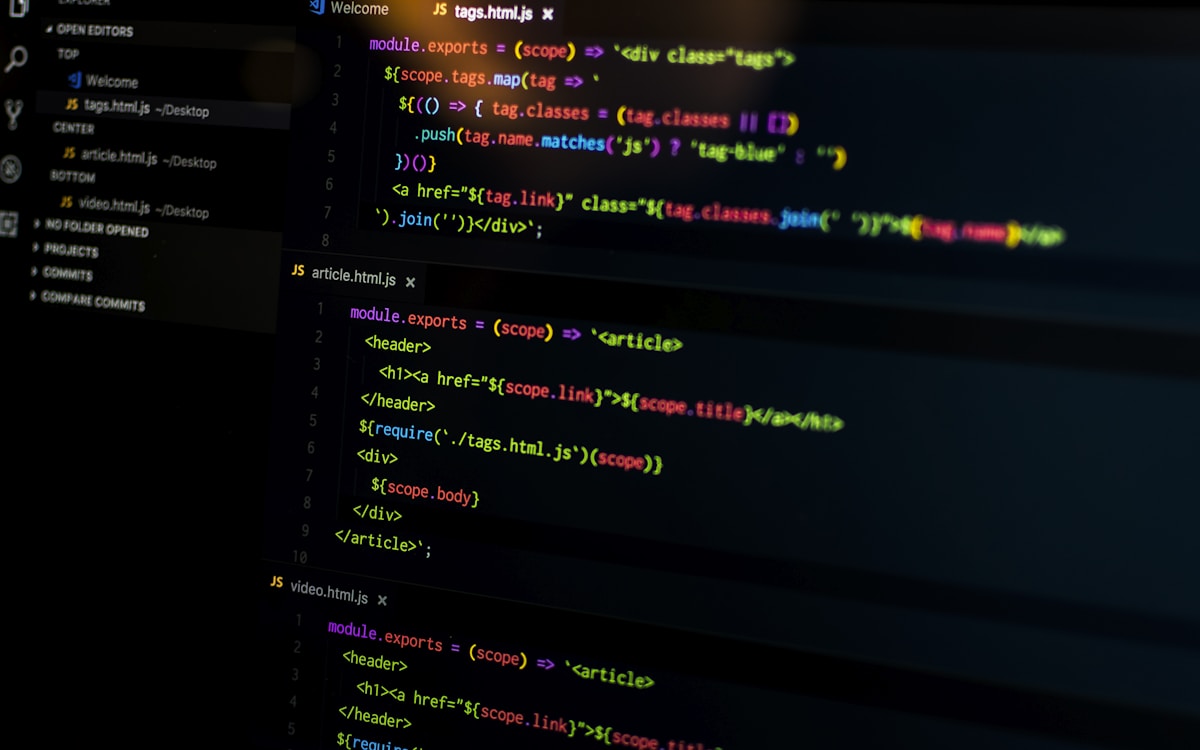
Comparative Analysis of Leading Tools
The AI code generation landscape features several prominent players, each with distinct strengths and approaches:
| Tool | Primary Strength | Best For |
|---|---|---|
| OpenAI Codex | Contextual understanding | Complex logic generation |
| Anthropic Code | Security focus | Enterprise applications |
| Google Gemini Code | Multi-language | Polyglot developers |
| Meta Code Llama | Open source | Community projects |
Integration Capabilities
Modern AI code tools integrate deeply with popular development environments:
- IDE Extensions: Native plugins for VS Code, JetBrains, and Vim
- Version Control: GitHub, GitLab, and Bitbucket integration
- CI/CD Pipelines: Automated code checking in deployment workflows
- Documentation: Seamless docs generation and updates
Implications for Developers
The Changing Role of Programmers
AI code generation fundamentally changes what it means to be a software developer. Rather than spending hours on boilerplate code and debugging, developers can focus on higher-level architectural decisions and solving unique problems that require human insight.
This shift demands new skills:
- Prompt engineering: Effectively communicating desired outcomes to AI systems
- Code review for AI: Understanding and validating AI-generated code
- System design: Focusing on architecture rather than implementation details
- Integration: Combining AI-generated components into coherent systems
Learning and Development
For those entering the field, AI code generation serves as an powerful learning tool. Junior developers can see how AI suggests solutions, understanding patterns and approaches they might not have encountered otherwise.
Educational platforms now incorporate AI code generation as a teaching aid, providing:
- Real-time feedback on code quality
- Suggested improvements with explanations
- Comparative views of different approaches
Challenges and Limitations
Despite remarkable progress, AI code generation faces significant challenges:
Accuracy and Trust
AI-generated code can contain subtle bugs or security vulnerabilities that may not be immediately apparent. Developers must maintain rigorous testing practices and not assume AI output is correct.
Context Limitations
While models have improved, they sometimes lack full understanding of the broader system context, leading to suggestions that work in isolation but cause issues when integrated.
Specialized Domains
Code generation remains challenging in highly specialized domains where training data is limited, such as embedded systems, real-time systems, and domain-specific languages.
Future Directions
Looking ahead, AI code generation will continue to evolve:
- Autonomous development: AI systems capable of fully implementing features from high-level specifications
- Semantic understanding: Deeper comprehension of business logic and user requirements
- Cross-language translation: Automatic migration between programming languages
- Collaborative coding: AI pair programmers that learn from individual developer patterns
Conclusion
AI code generation has evolved from a novelty to an essential component of modern software development. These tools amplify developer productivity while changing the nature of programming work. As the technology continues to advance, developers who embrace AI assistance while maintaining strong fundamental skills will be best positioned for success.
The key to leveraging AI code generation effectively lies in understanding both its capabilities and limitations. Developers should view AI as a powerful assistant rather than a replacement, using it to handle routine tasks while focusing their expertise on the creative and complex problems that require human insight.
Related Articles
How AI Systems Manage Memory and Context Across Long Conversations
An in-depth exploration of how AI systems handle memory and context management—from context windows and token budgets to memory architectures and retrieval mechanisms used in production deployments.
Model Versioning and Experiment Tracking: Organizing ML Development at Scale
A practical guide to managing ML experiments and model versions using tools like MLflow, Weights & Biases, and DVC. Covers experiment tracking, model registry patterns, and scaling strategies for teams.

AI Model Quantization Techniques: From Research to Edge Deployment
A practical exploration of model quantization methods for edge AI deployment, comparing INT8, FP16, and INT4 approaches with accuracy tradeoffs and tool recommendations.