The Great AI Spending Race: OpenAI Burns $14B as Anthropic Closes the Revenue Gap
OpenAI's aggressive spending meets Anthropic's surprising efficiency as the AI race enters a new phase of sustainable growth and strategic differentiation.
As OpenAI projects $14 billion in losses for 2026, Anthropic quietly closes the revenue gap—revealing two very different business models in the AI race.
SoftBank's massive $40 billion bridge loan to invest in OpenAI marks a new chapter in the AI arms race, signaling unprecedented capital commitment to artificial intelligence.
Walmart's integration with ChatGPT marks a paradigm shift in e-commerce, bringing conversational AI directly into the shopping experience.
Anthropic's CEO announces potential 80x growth in 2026, signaling a dramatic shift in the AI competitive landscape as Claude AI challenges OpenAI's market dominance.
Microsoft and OpenAI's exclusive partnership is evolving. Here's what the restructuring means for enterprise AI adoption and the competitive landscape.
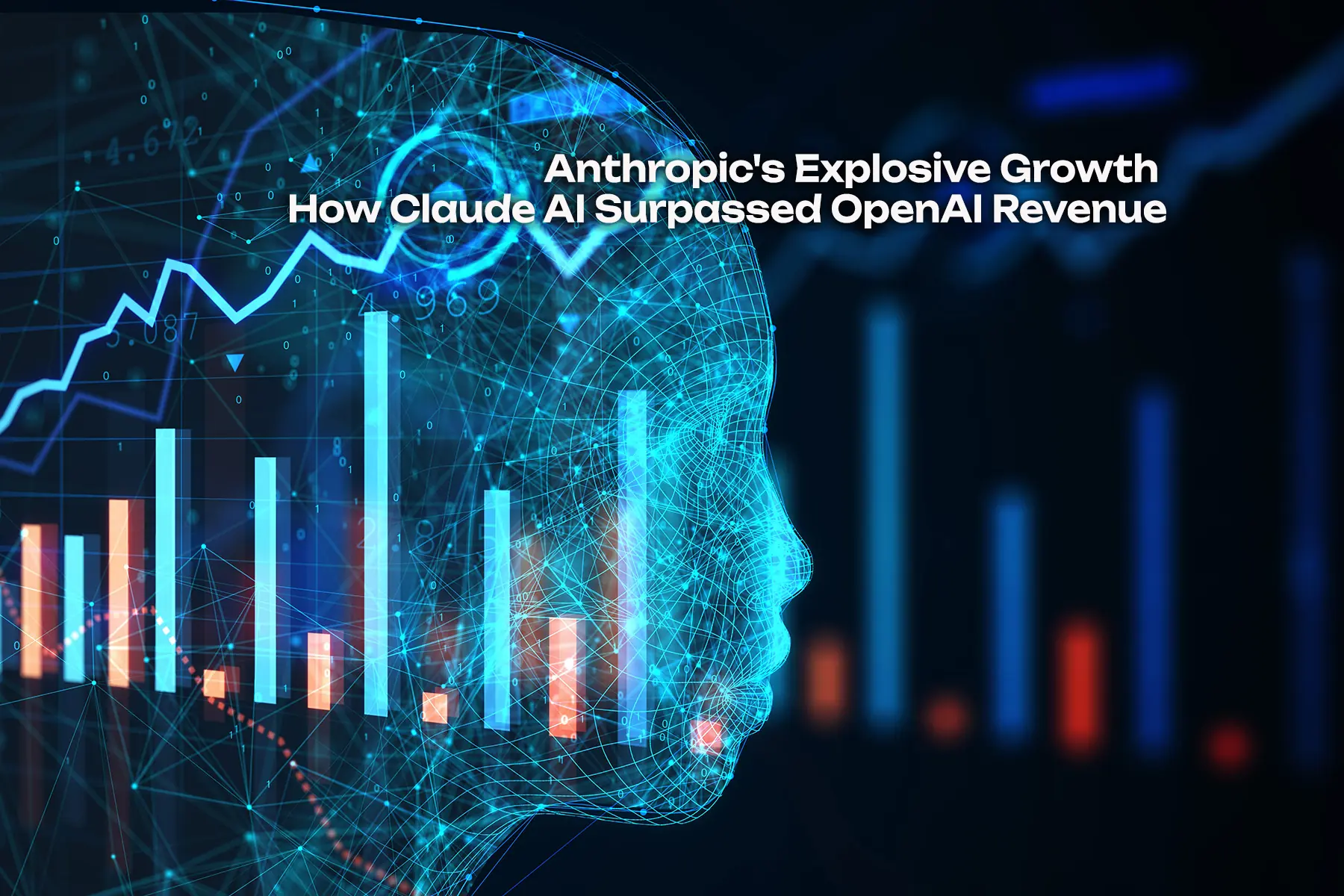
Anthropic has achieved an unprecedented $2.5 billion in annualized revenue, driven primarily by Claude Code's dominance in the AI coding assistant market. This article examines the factors behind Anthropic's rise, the competitive landscape, and what this means for the future of AI-powered software development.
Apple's planned iOS 27 update will let users route Siri queries to any AI assistant, marking a fundamental shift from exclusive partnerships to platform strategy.
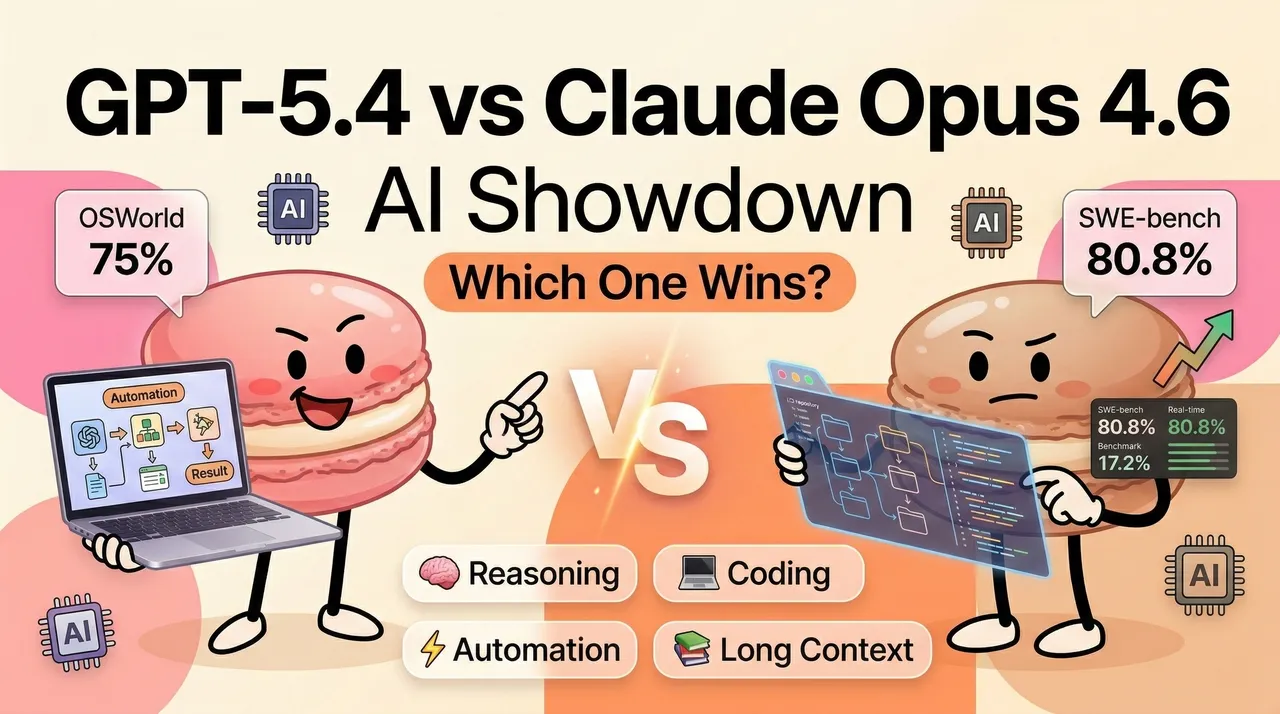
As Anthropic's Claude Opus 4.6 challenges OpenAI's GPT-5.4 in coding benchmarks, the AI coding assistant market has become the most competitive segment in the AI industry. We analyze the technical and strategic differences.
OpenAI releases GPT-5.4 with groundbreaking computer-use capabilities, outperforming human averages on OSWorld benchmark
OpenAI's release of GPT-5.4 mini and nano marks a pivotal shift in AI accessibility. These compact yet powerful models bring frontier intelligence to resource-constrained environments, enabling unprecedented AI agent deployment across devices.
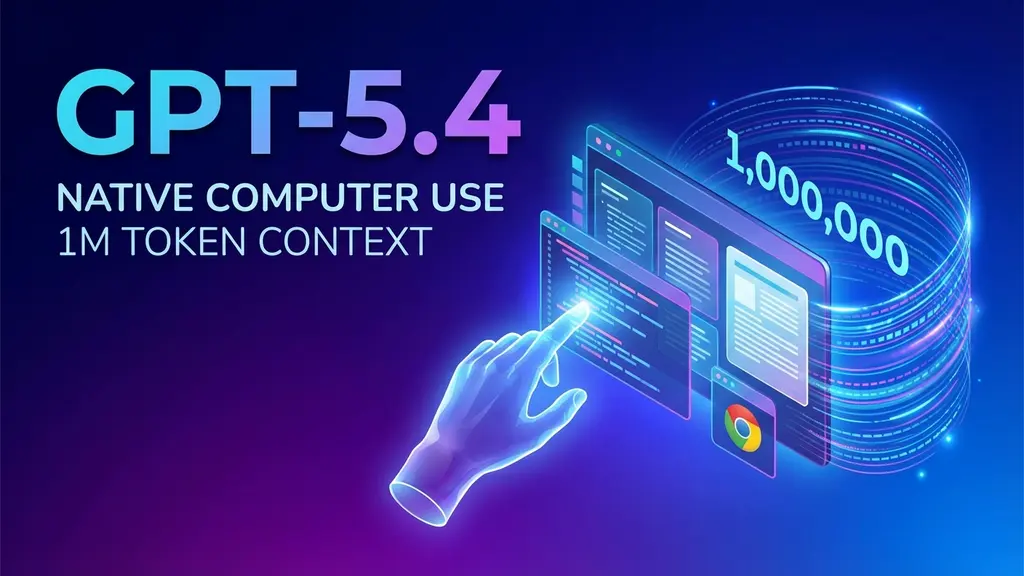
OpenAI's latest model brings native computer use capabilities, 1M token context window, and tool search—directly challenging Anthropic's Claude Code dominance in the agentic AI space.
Between March 10-16, 2026, six major AI companies launched twelve distinct models in what engineers are calling the 'model avalanche.' OpenAI, Google, xAI, Anthropic, Mistral, and Cursor all shipped within an unprecedented seven-day window. Here's what it means for the industry.
OpenAI secures $3 billion from retail investors in a landmark $122 billion fundraising round, opening AI investment to ordinary people.
An in-depth analysis of OpenAI's potential 2026 IPO, its financial trajectory, and what it means for the broader AI ecosystem amid intensifying competition.
OpenAI's decision to indefinitely pause ChatGPT 'Adult Mode' signals a broader shift toward conservative product development and ethical caution.
An in-depth analysis of OpenAI's decision to shut down Sora, the collapse of the $1 billion Disney deal, and what this means for the future of AI-generated video.
OpenAI secures the largest private funding round in tech history, reaching $852 billion valuation with $2 billion monthly revenue. What this means for the AI industry.
March 2026 sees two titans of AI clash: OpenAI's GPT-5.4 (released March 5) and Anthropic's Claude Sonnet 4.6 (released February 17). Both represent cutting-edge approaches to large-context, agent-capable models optimized for knowledge work, coding, and complex reasoning.