Anthropic: Claude Code Introduces Additional Pricing for OpenClaw Integration
Anthropic announces extra charges for Claude Code subscribers using OpenClaw, sparking debate about developer pricing models in the AI tooling space.
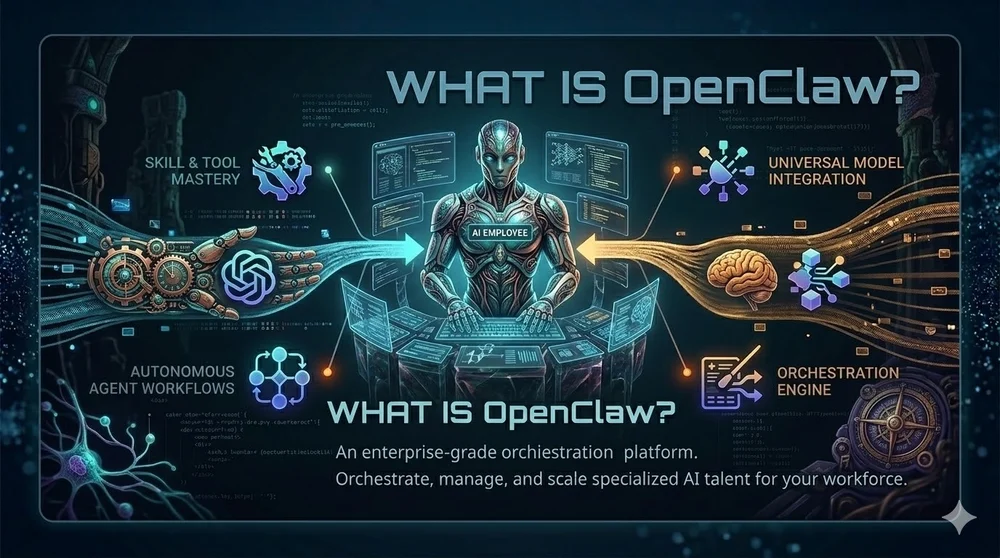
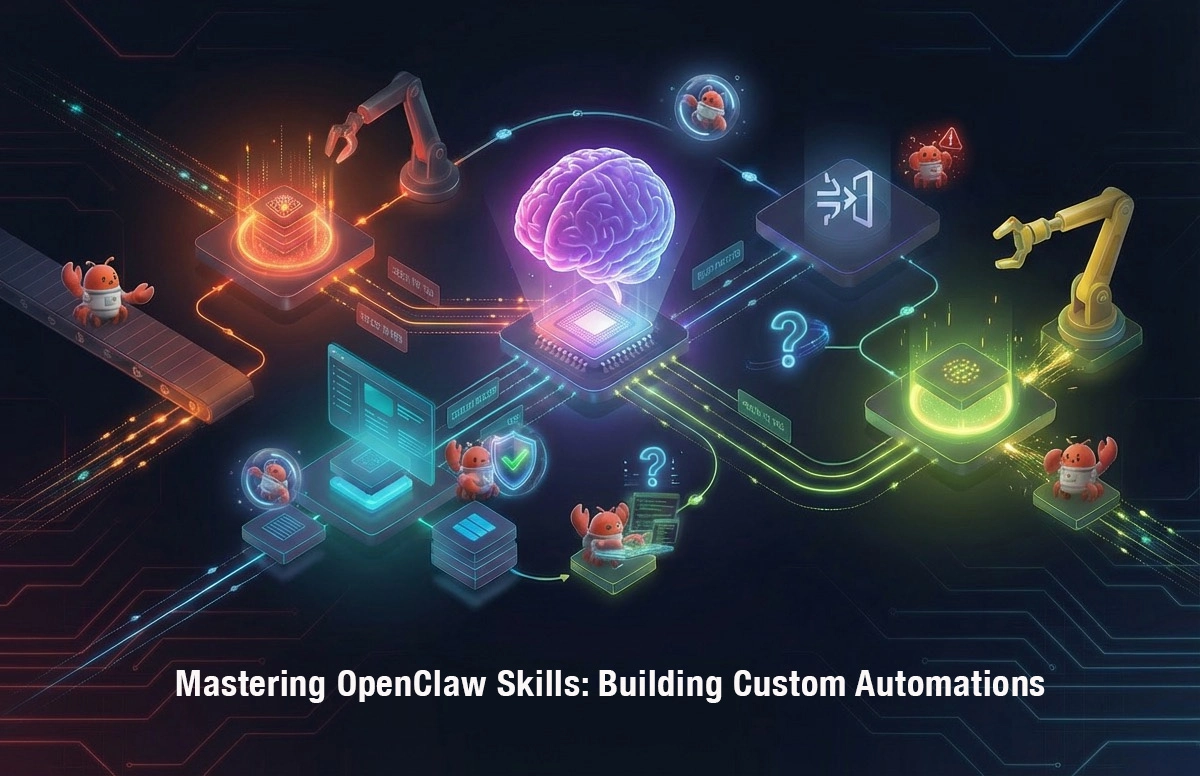
OpenClaw is a powerful AI assistant framework whose skill system allows users to extend the assistant’s capabilities. Skills can be deployed in two primary paths: ~/.openclaw/workspace/skills/ and ~/.openclaw/skills/. Understanding the distinction between these two paths is crucial for effective skill management.
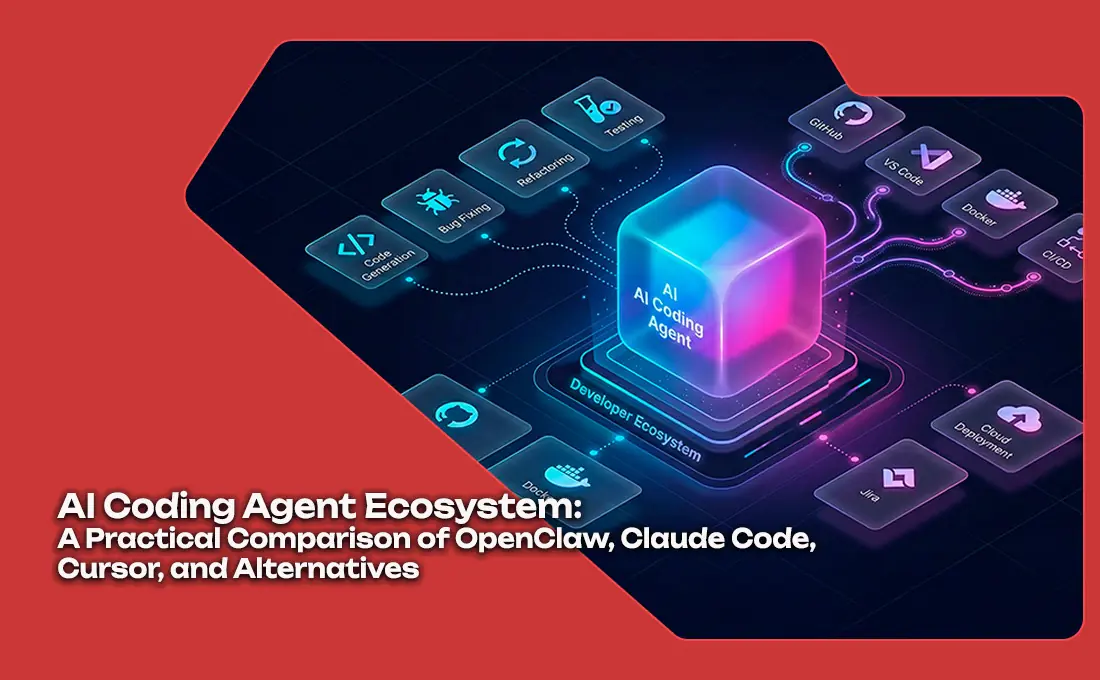
A practical comparison of the leading AI coding agents in 2026, covering architecture, SWE-bench scores, pricing, and ideal use cases for each platform.
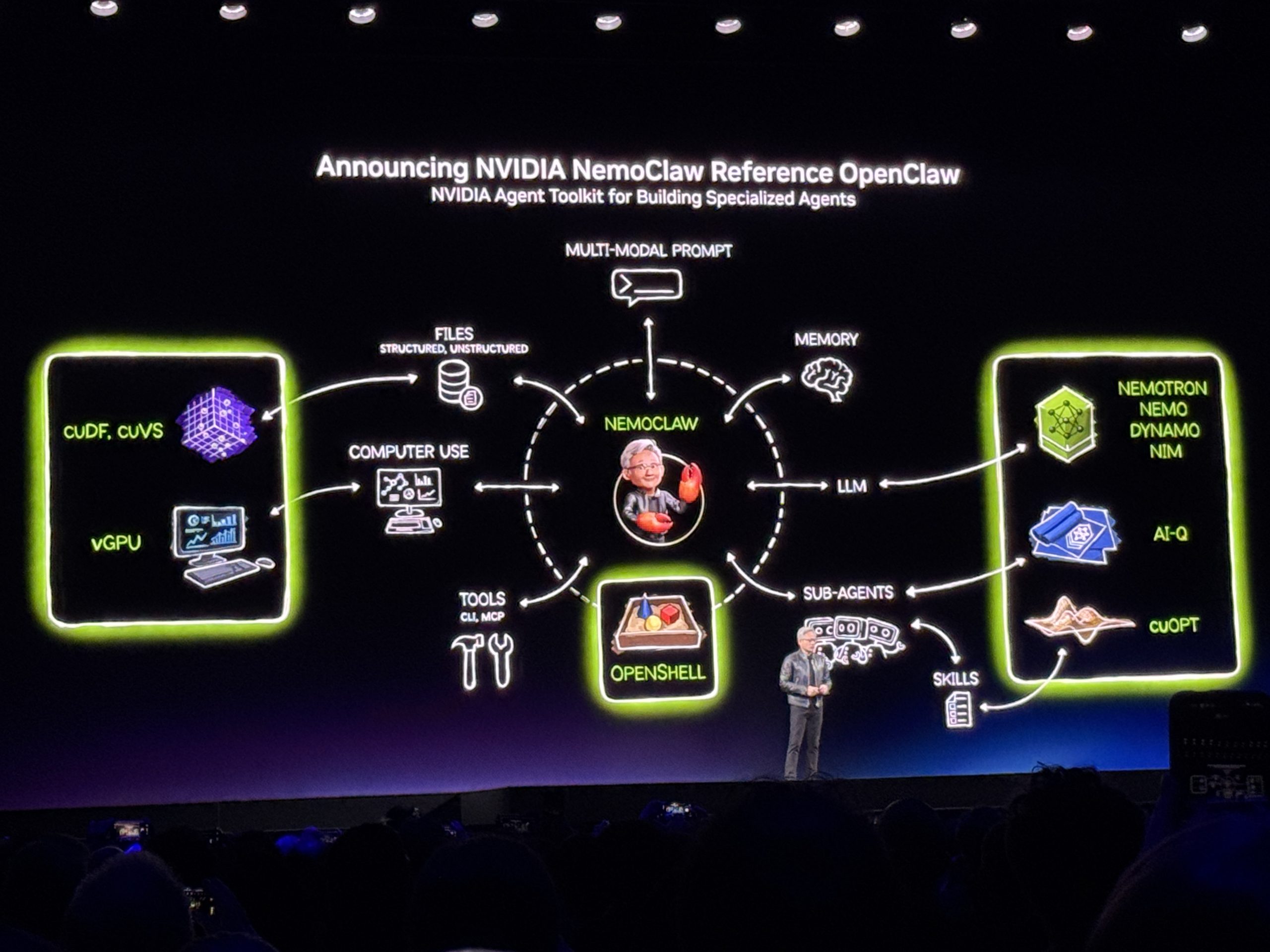
NVIDIA CEO Jensen Huang predicts that every SaaS company will transform into an Agent-as-a-Service company, marking a fundamental shift in the AI era.
Step-by-step guide to installing and configuring OpenClaw. Covers macOS, Windows, Docker installation, Telegram/Discord/Slack integration, and production deployment checklist. Perfect for beginners getting started with OpenClaw.
Master OpenClaw's skill system with this comprehensive guide. Learn to create custom skills, build hooks for event-driven automation, and configure multi-agent teams. Includes code examples and best practices for OpenClaw development.
In early 2026, AI agents have become core to enterprise digital transformation. But with options like OpenClaw (GUI automation), Manus AI (cloud orchestration), and Claude Code (developer copilot), how do you choose? This guide provides a systematic comparison and recommendations for eight key business scenarios, helping technical leaders avoid costly mistakes.
How NVIDIA built a kernel-level security layer for autonomous agents—and why it matters for production AI deployments in regulated industries.
OpenClaw, the viral self-hosted AI agent platform, has transformed computing and raised security concerns as deployments hit 40,000+ instances worldwide.