
AMD MI450 Accelerator: The Chip Challenging Nvidia's AI Dominance
AMD's MI450 accelerator is set to launch in the second half of 2026 with a massive 6GW deal from Meta, marking a significant challenge to Nvidia's market leadership in AI computing.

Advanced Micro Devices (AMD) is positioning its upcoming MI450 accelerator as a direct challenge to Nvidia's dominance in the AI accelerator market. With a landmark 6GW deal secured from Meta and the accelerator launching in the second half of 2026, AMD is making a significant play for market share. This article examines the MI450's capabilities, the competitive landscape, and what AMD's success means for the AI hardware market.
Introduction
The AI accelerator market has been dominated by Nvidia for years, but AMD is poised to change that dynamic with the MI450. The accelerator, built on AMD's next-generation architecture, has already secured a massive 6GW deal with Meta, one of the world's largest AI deployments. This deal represents a major victory for AMD and signals growing competition in the AI hardware space.
The AMD MI450: Technical Overview
Architecture
The MI450 represents AMD's most advanced AI accelerator to date:
- Manufacturing Process: Expected to use advanced node (likely 4nm or 5nm)
- Memory: High-bandwidth memory (HBM) for training large models
- Interconnect: Advanced Infinity Fabric for multi-GPU scaling
- Power Efficiency: Improved performance-per-watt over previous generations
Key Features
| Feature | MI450 | Previous Generation |
|---|---|---|
| Performance | Highest AMD AI accelerator | MI350 series |
| Memory Bandwidth | TBD | 1.8 TB/s |
| Interconnect | Infinity Fabric 4.0 | Infinity Fabric 3.0 |
| Power Efficiency | Improved | Baseline |
Helios Rack-Scale Architecture
The MI450 will leverage AMD's Helios rack-scale architecture, which enables:
- Multiple accelerators working together efficiently
- High-bandwidth interconnects between nodes
- Optimized for large-scale AI training deployments
The Meta Deal: What It Means
Deal Details
Meta's 6GW deal represents one of the largest AI infrastructure commitments in the industry:
- Capacity: Enough power to support massive AI training clusters
- Timeline: Initial shipments beginning in H2 2026
- Application: Training next-generation AI models
Significance
This deal is significant for several reasons:
- Validation: Meta's choice validates AMD's AI hardware capabilities
- Diversification: Major AI companies seek alternatives to Nvidia
- Market Share: AMD could capture 15-20% of AI accelerator market
Competitive Landscape
Nvidia's Position
Nvidia has maintained dominant market share in AI accelerators:
- Estimated 80%+ market share in data center AI
- Strong ecosystem with CUDA, NGC, and enterprise tools
- First-mover advantage with comprehensive AI stack
AMD's Strategy
AMD is challenging Nvidia through:
- Performance: Competitive or superior raw performance
- Price: Aggressive pricing to attract cost-conscious buyers
- Ecosystem: Growing ROCm software ecosystem
- Partnerships: Strategic partnerships with major cloud providers
Market Share Projections
| Company | 2025 Market Share | 2026 Projected |
|---|---|---|
| Nvidia | ~80% | ~70-75% |
| AMD | ~9% | 15-20% |
| Others | ~11% | 10-15% |
Market Dynamics
AI Chip Demand
The demand for AI accelerators continues to outpace supply:
- Cloud providers expanding AI infrastructure
- Enterprise AI deployments increasing
- Sovereign AI initiatives in multiple countries
Chinese Competition
The market is also seeing increased competition from Chinese chipmakers:
- Huawei and other Chinese companies gaining share in China
- Estimated 45% of Chinese market now served by domestic chips
- US export controls accelerating Chinese self-sufficiency efforts
AMD Advancing AI 2026
Event Details
AMD has confirmed its Advancing AI 2026 event for July 22-23 in San Francisco:
- Focus: AI hardware and software ecosystem
- Expected Announcements: MI450 details, new partnerships
- Target Audience: Developers, enterprise customers, partners
What to Expect
The event is expected to showcase:
- Detailed MI450 specifications and benchmarks
- Customer success stories and deployments
- Software ecosystem updates and improvements
- Future product roadmap
Conclusion
AMD's MI450 represents a significant challenge to Nvidia's AI accelerator dominance. With Meta's 6GW deal as validation, AMD is well-positioned to capture meaningful market share in 2026 and beyond. The growing competition between AMD and Nvidia is ultimately beneficial for the AI industry, driving innovation and providing customers with more choices.
As AI deployments continue to scale, the demand for AI accelerators will only increase. AMD's success with the MI450 could mark the beginning of a more competitive market, potentially benefiting AI developers and deployers through increased choice and competitive pricing.
Related Articles
The Great AI Inference Race: Google TPU vs Nvidia GPU in 2026
An analysis of the competition between Google's Tensor Processing Units and Nvidia's graphics processors for AI inference workloads, examining performance, economics, and market dynamics.
Energy: AI Data Centers Driving Massive Natural Gas Infrastructure Buildout
AI companies are constructing enormous natural gas power plants to meet the exploding energy demands of data centers, raising environmental and climate concerns.
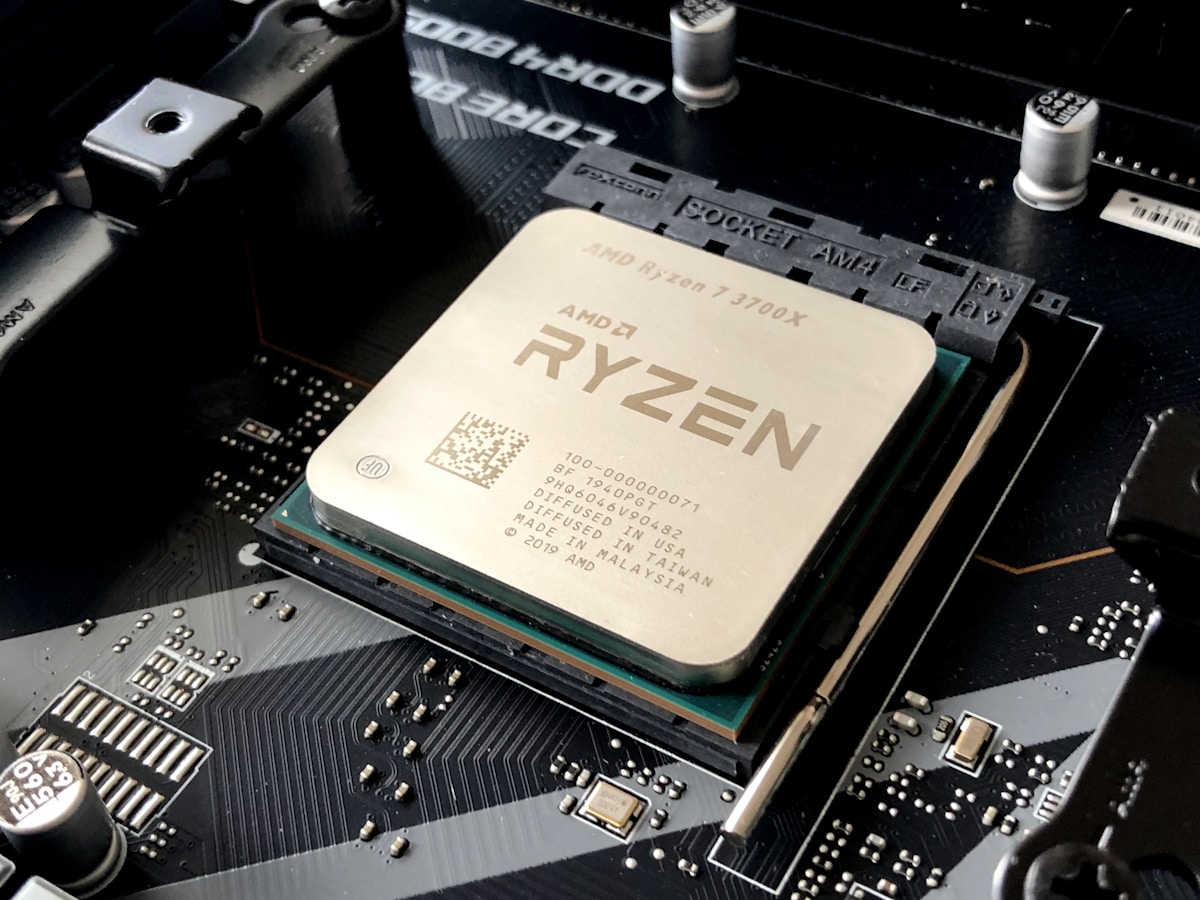
NVIDIA Blackwell Dominance: 80% Market Share and the AI Chip Race
NVIDIA maintains iron grip on AI accelerator market with 80% share while Blackwell architecture powers the AI factory era