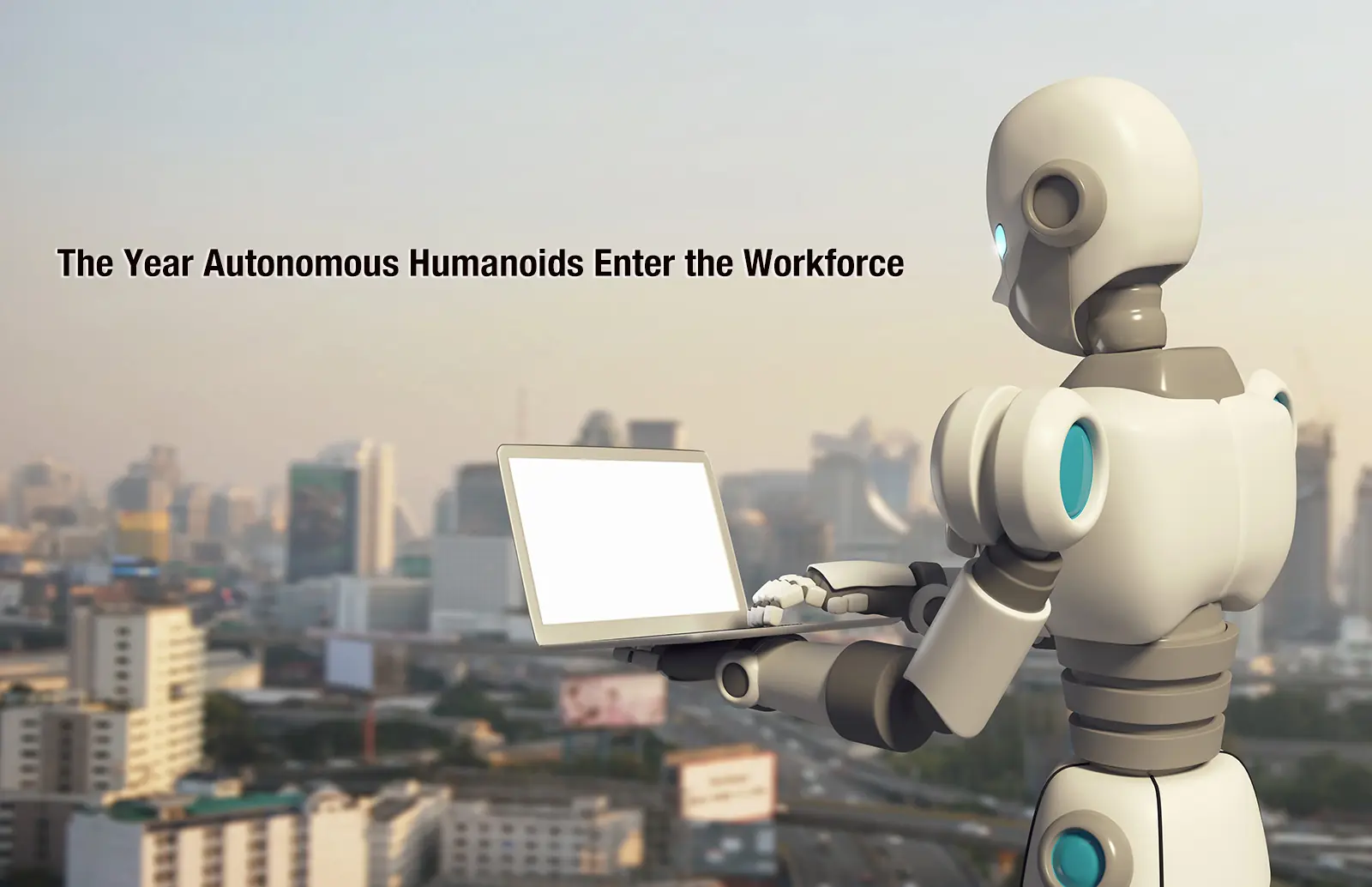
AI in Robotics: The Convergence of Intelligence and Physical Systems
How AI is transforming robotics from industrial arms to intelligent autonomous machines capable of learning, adapting, and collaborating with humans
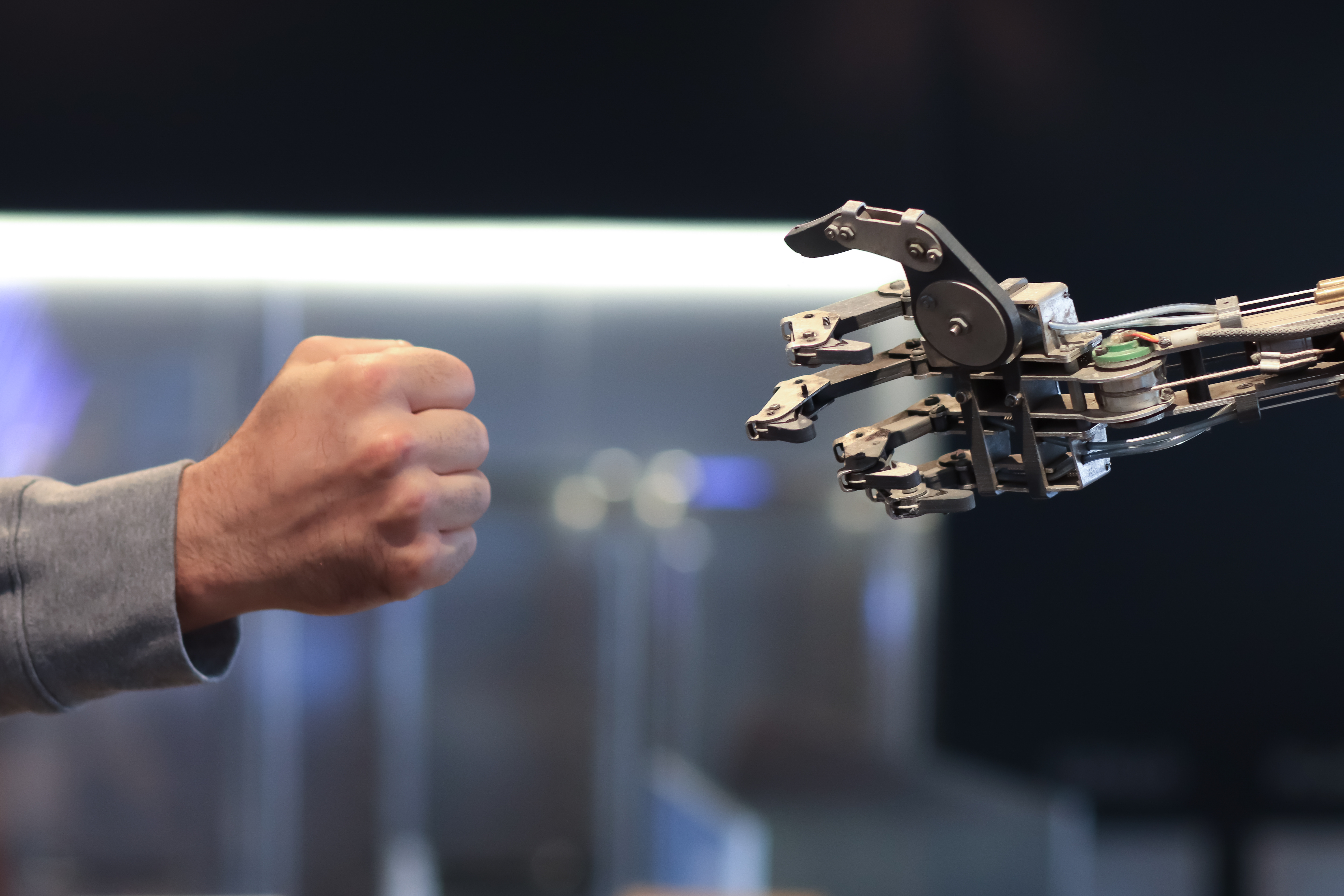
The robotics industry is experiencing a fundamental transformation. Where robots were once programmed for repetitive, pre-defined tasks, AI-powered machines now perceive, learn, and adapt in real-time. This convergence is reshaping manufacturing, logistics, healthcare, and even our homes.
The Evolution from Automation to Autonomy
Traditional industrial robots operate through carefully choreographed movements—precise but brittle. They require structured environments and cannot handle variability. AI introduces perception and decision-making capabilities that make robots adaptable.
Modern AI-powered robots use computer vision to understand their environment, natural language processing to receive instructions conversationally, and reinforcement learning to improve through experience. They handle unexpected obstacles, adjust to new products on assembly lines, and work safely alongside humans.
Key AI Technologies Powering Robotics
| Technology | Application | Capability |
|---|---|---|
| Computer Vision | Object recognition, quality inspection | 95%+ accuracy in controlled environments |
| Reinforcement Learning | Motion planning, skill acquisition | Continuous improvement from trial and error |
| SLAM (Simultaneous Localization and Mapping) | Navigation, mapping | Real-time environment understanding |
| Natural Language Processing | Voice commands, human interaction | Multi-language understanding |
| Tactile Sensing | Physical interaction, manipulation | Precision handling of delicate objects |
Industry Applications
Manufacturing and Logistics
AI robots in factories now handle tasks from welding and painting to quality inspection and packaging. Amazon's fulfillment centers use AI-powered robots that navigate dynamically, avoid obstacles, and optimize picking routes. These systems reduce order processing time by up to 60% while minimizing human injury.
Healthcare and Surgery
Surgical robots like the Da Vinci system incorporate AI for enhanced precision, but newer systems go further. AI enables autonomous suturing, real-time tissue differentiation, and predictive analytics during operations. Rehabilitation robots use AI to adapt therapy sessions to individual patient progress.
Agriculture
Agricultural robots equipped with AI perform precision planting, targeted weeding, and selective harvesting. These machines identify plant health through multispectral imaging, apply inputs only where needed, and work around the clock. The result: higher yields with reduced chemical usage.
Domestic Robots
From robot vacuums that learn home layouts to robotic companions for elderly care, AI enables machines to function in unstructured home environments. These robots navigate furniture, understand voice commands, and adapt to household changes.
Human-Robot Collaboration
The future isn't about robots replacing humans—it's about collaboration. Collaborative robots (cobots) work alongside human workers, handling dangerous or repetitive tasks while humans focus on complex decisions and creative work.
AI enables safe collaboration through:
- Real-time hazard detection: Robots sense and respond to human presence
- Adaptive speed control: Robots slow when humans approach
- Intuitive programming: Workers teach robots through demonstration rather than code
Challenges and Considerations
Despite progress, significant challenges remain. AI robots struggle with truly unstructured environments—natural disasters, cluttered homes, or unknown objects. Safety regulations haven't caught up with increasingly autonomous machines. The economics of AI robotics require substantial upfront investment, though ROI improves as technology matures.
Looking Forward
The next five years will see AI robotics expand beyond industrial settings into daily life. Expect autonomous delivery robots on sidewalks, AI-powered robotic tutors in education, and intelligent assistance for elderly care. The key enabler isn't better hardware—it's smarter AI that makes robots truly intelligent partners rather than sophisticated tools.
The robot revolution isn't coming—it's already here, learning and adapting in facilities worldwide.