
Apple Intelligence 2026: Siri's Transformation Into System-Wide AI Agent
Apple prepares to announce overhauled Siri as system-wide AI agent at WWDC 2026, marking major shift in iOS ecosystem
Apple is poised to announce a transformative update to Siri at WWDC 2026, converting the voice assistant into a system-wide AI agent with deep integration across applications. This represents Apple's most significant AI strategy shift since the launch of the iPhone, positioning the company to compete directly with OpenAI's ChatGPT and Google's Gemini in the AI assistant space.
Introduction
For over a decade, Siri has been Apple's primary interface for AI-powered assistance, but it has increasingly lagged behind competitors. The upcoming transformation announced for WWDC 2026 addresses this gap directly, repositioning Siri as what Bloomberg's Mark Gurman describes as "a systemwide AI agent with deep integration across applications."
This strategic pivot represents more than a product update—it signals Apple's acknowledgment that the future of computing lies in AI-first interfaces that can understand context, take autonomous actions, and manage complex workflows across applications.
The Current State of Apple Intelligence
Existing Capabilities
Apple Intelligence, launched gradually beginning in 2024, currently provides:
| Feature | Description |
|---|---|
| Onscreen Awareness | Siri understands and acts on content displayed on screen |
| Contextual Actions | "Add this address to their contact card" - understands message context |
| Writing Tools | Rewrite and proofread text in any application |
| Image Generation | Creating images for messages and documents |
| Priority Notifications | AI-sorted notifications based on importance |
Current Limitations
Despite these features, Siri still trails behind more capable assistants:
- Limited understanding of complex multi-step requests
- Inability to take actions across multiple apps autonomously
- Weak integration with third-party applications
- No true reasoning capabilities
The WWDC 2026 Transformation
What to Expect
Based on reports and industry analysis, the new Siri will feature:
1. System-Wide Agency
- Ability to take actions within any application
- Understanding of user intent across contexts
- Memory of ongoing projects and tasks
2. Deep Application Integration
- Native API access across iOS applications
- Ability to read and modify documents
- Control over app functions through natural language
3. Personal Context Understanding
- Learning user preferences over time
- Anticipating needs based on schedule and activity
- Maintaining conversation context across sessions
Standalone Application
A notable development is the testing of a standalone Siri application, suggesting Apple may offer a dedicated AI assistant interface separate from the traditional voice activation.
Technical Architecture
On-Device Processing
Apple's approach differs from competitors by emphasizing on-device processing:
| Approach | Apple | Competitors |
|---|---|---|
| Primary Processing | On-device | Cloud-based |
| Privacy | Maximum | Standard |
| Latency | Minimal | Network dependent |
| Capability Limit | Lower | Higher |
| Offline Mode | Full | Limited |
Apple Silicon Integration
The transformation leverages Apple Silicon's AI capabilities:
- Neural Engine optimized for on-device inference
- Secure Enclave for privacy protection
- Unified memory architecture for context handling
Competitive Landscape
How the New Siri Compares
| Feature | New Siri | ChatGPT | Gemini |
|---|---|---|---|
| System Integration | Deep | None | Partial |
| On-Device | Yes | No | Limited |
| Privacy | Maximum | Basic | Basic |
| App Control | Full | None | Limited |
| Context Window | Large | 1M | 1M |
Market Positioning
Apple's strategy—"Invisible AI"—focuses on integrating AI into the operating system rather than offering a standalone chatbot:
"Unlike competitors who focused on standalone chatbots, Apple's strategy is 'Invisible AI'—integrating LLMs directly into the OS to perform tasks across apps."
This approach targets users who want AI assistance without explicitly interacting with an AI system—AI that works in the background across all applications.
Implications for Developers
New APIs and Frameworks
WWDC 2026 will likely introduce:
- SiriKit Extensions: New APIs for third-party app integration
- App Intents Framework: Expanded capabilities for app actions
- Onscreen Context APIs: Access to displayed content for context-aware responses
Developer Opportunities
| Opportunity | Description |
|---|---|
| Deep Integration | Apps can expose functionality to Siri |
| Custom Actions | Define complex workflows Siri can execute |
| Context Sharing | Share app state with Siri for better assistance |
Consumer Impact
What Changes for Users
- Simplified workflows: "Book me a table at the restaurant from my last trip"
- Cross-app automation: Complex tasks across multiple apps handled natively
- Proactive assistance: Siri anticipates needs before being asked
Privacy Considerations
Apple's on-device approach maintains its privacy-first reputation:
- User data never leaves device for processing
- No training on personal data
- End-to-end encryption for any cloud communication
Challenges and Risks
Implementation Challenges
- Complexity: Deep system integration increases risk of bugs
- Performance: On-device processing limits capability
- Developer Adoption: Third-party integration requires broad support
Competitive Risks
- Capability Gap: May lag cloud-based competitors
- Late Entry: First-mover advantage already belongs to others
- User Expectations: High bar set by ChatGPT and Gemini
Conclusion
Apple's transformation of Siri into a system-wide AI agent represents the company's most significant strategic response to the AI revolution. By emphasizing privacy through on-device processing and deep operating system integration, Apple offers a distinctive alternative to cloud-first competitors.
The success of this approach will depend on whether consumers value privacy and seamless integration over raw capability. If Apple executes well, it could establish a profitable middle ground—AI that's helpful without being intrusive, powerful without compromising privacy.
WWDC 2026 will reveal whether Apple's vision translates into reality. Either way, the announcement signals that the AI assistant wars have entered a new phase where system integration and privacy become as important as raw intelligence.
Related Articles
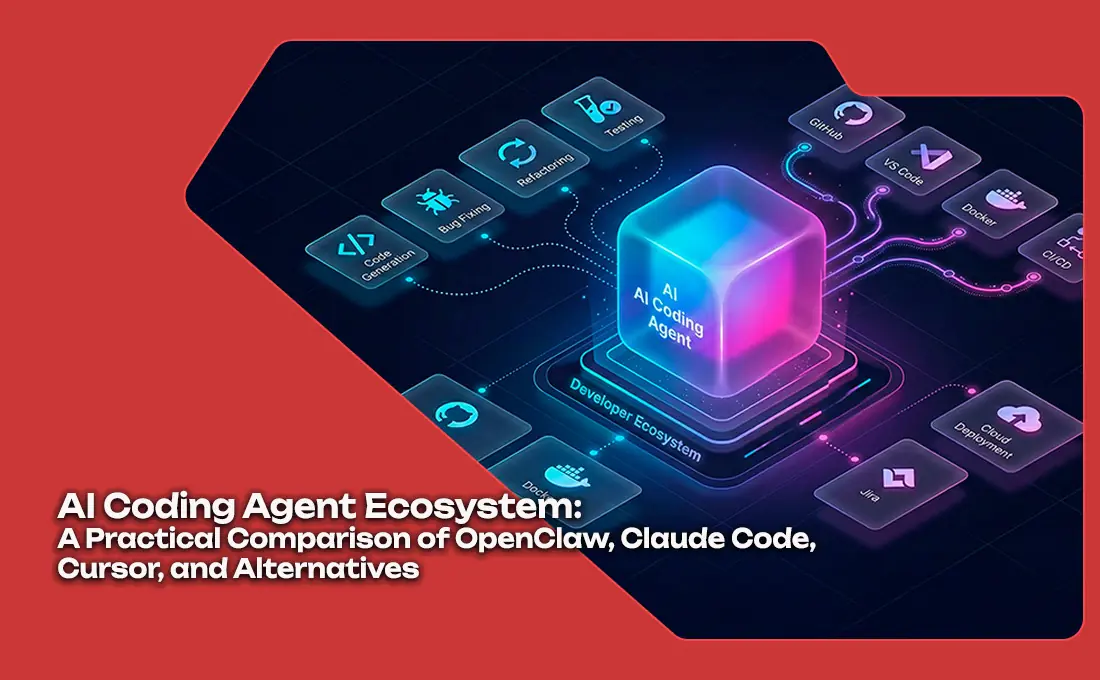
AI Coding Agent Ecosystem: A Practical Comparison of OpenClaw, Claude Code, Cursor, and Alternatives
A practical comparison of the leading AI coding agents in 2026, covering architecture, SWE-bench scores, pricing, and ideal use cases for each platform.
OpenClaw, Manus AI, and Claude Code – A Technical Decision Maker‘s Guide
In early 2026, AI agents have become core to enterprise digital transformation. But with options like OpenClaw (GUI automation), Manus AI (cloud orchestration), and Claude Code (developer copilot), how do you choose? This guide provides a systematic comparison and recommendations for eight key business scenarios, helping technical leaders avoid costly mistakes.
Claude vs GPT in 2026 - The AI Coding Assistant Battle Intensifies
As Anthropic's Claude Opus 4.6 challenges OpenAI's GPT-5.4 in coding benchmarks, the AI coding assistant market has become the most competitive segment in the AI industry. We analyze the technical and strategic differences.