
Apple's AI Smart Glasses: The Next Computing Paradigm
Apple's testing of multiple AI smart glasses prototypes signals a major shift in wearable computing, potentially reshaping how we interact with artificial intelligence in daily life.
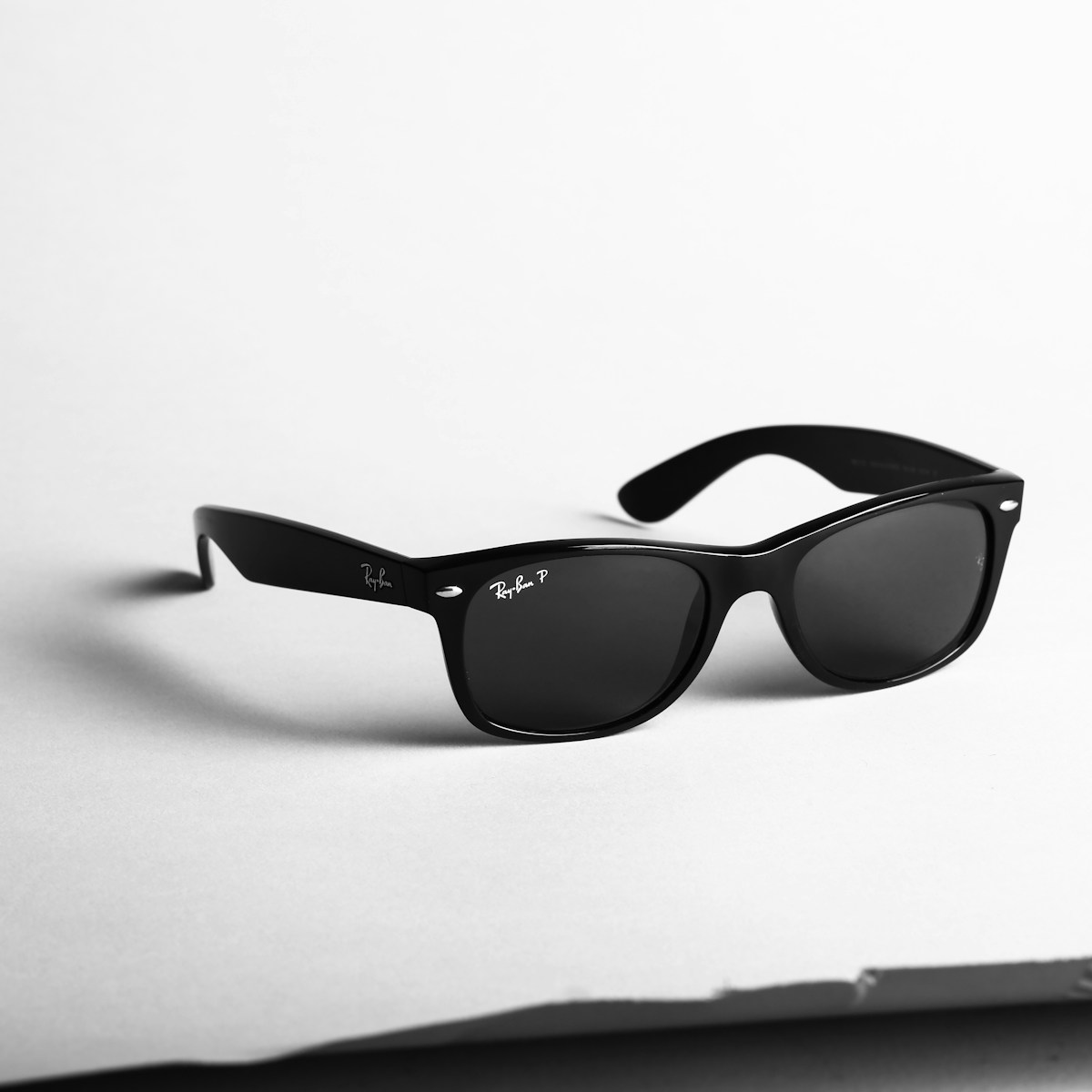
Apple's reported testing of multiple AI-powered smart glasses prototypes marks a significant development in the wearable AI market. As the technology giant prepares to potentially launch its first smart glasses by year-end 2026, the competition in the augmented reality and AI wearables space is heating up. This article examines the current state of AI smart glasses, Apple's strategic approach, and what this means for the future of human-computer interaction.
Introduction
The wearable AI market has seen significant activity in recent years, with companies racing to create the perfect blend of fashion, functionality, and artificial intelligence. Apple's entry into this space, as reported by multiple sources in April 2026, represents perhaps the most anticipated product launch in the technology sector since the original iPhone.
According to reports from Deccan Herald and other sources, Apple is currently testing multiple prototypes of AI-powered smart glasses, with a potential launch targeted for late 2026. This development comes after years of speculation about Apple's plans for augmented reality wearables, and represents a strategic pivot from the company's earlier focus on the Vision Pro headset.
The Current Smart Glasses Landscape
Before examining Apple's potential entry, it's essential to understand the current competitive landscape in AI-powered smart glasses.
Comparison of Major Players
| Feature | Apple (Expected) | Meta Ray-Ban | Google Glass |
|---|---|---|---|
| Display | Micro-LED expected | No display | Prism display |
| AI Integration | Apple Intelligence | Meta AI | Google Assistant |
| Audio | Spatial audio | Open-ear speakers | Bone conduction |
| Battery Life | TBD | 6+ hours | 2-3 hours |
| Camera | Expected multiple | 12MP | 5MP |
| Price Range | $300-500 (est.) | $299-449 | $1,000+ |
Apple's Strategic Approach
Hardware Integration
Apple's approach to smart glasses appears to be fundamentally different from previous attempts in the market. According to industry analysts, Apple is focusing on creating a device that balances functionality with all-day wearability—a lesson learned from the bulkier Vision Pro.
The expected specifications include:
- Lightweight frame comparable to regular eyeglasses
- Micro-LED display technology for crisp visuals
- Multiple cameras for spatial awareness
- Custom Apple Silicon processor optimized for on-device AI processing
Software Ecosystem
The key differentiator for Apple's smart glasses will likely be the integration with the broader Apple ecosystem:
Siri Integration: The glasses will likely feature advanced Siri integration, allowing for seamless voice control and AI assistance throughout the day.
iPhone Syncing: Processing will likely be shared between the glasses and iPhone, allowing for complex AI tasks to be offloaded to the phone while maintaining responsiveness.
Health Features: Given Apple's focus on health, expect integration with Health app, including workout tracking, posture monitoring, and possibly even blood oxygen monitoring.
Market Implications
Competitive Response
Apple's entry into the smart glasses market will immediately elevate the competitive pressure on other players:
Meta: Currently the market leader with Ray-Ban smart glasses, Meta will need to accelerate AI capabilities and potentially reduce prices to maintain market position.
Google: After earlier struggles with Google Glass, the company may need to completely re-approach the market with a new device strategy.
Snap: The company has been developing Spectacles but has remained relatively quiet; Apple entry may force a more aggressive release schedule.
Consumer Impact
The impact on consumers could be significant:
- Increased Adoption: Apple's entry typically brings mainstream acceptance to new product categories
- Feature Standards: Apple will likely set new baseline expectations for AI capabilities in wearables
- Price Competition: Competition may drive prices down, making AI glasses more accessible
- Developer Interest: A larger market will attract more developers, leading to better app ecosystems
Technical Challenges
Battery Life
Perhaps the biggest technical challenge remains battery life. Current smart glasses typically offer 4-8 hours of active use, but all-day wear requires much longer. Apple will need to balance:
- Processing power for AI tasks
- Display usage
- Sensor activity
- Weight and comfort
Privacy Concerns
Smart glasses with cameras raise significant privacy concerns:
- Recording in public spaces
- Facial recognition capabilities
- Data storage and processing location
- Social acceptance of wearing recording devices
Apple's track record with privacy (App Tracking Transparency, on-device processing) suggests they will take a privacy-first approach, but the social implications remain complex.
AI Processing
The balance between on-device processing and cloud processing presents a challenge:
On-Device Advantages:
- Lower latency
- Better privacy
- Works without internet
Cloud Advantages:
- More powerful models
- Continuous improvement
- Better integration with cloud AI services
Apple's approach will likely emphasize on-device processing while leveraging cloud capabilities for complex tasks.
The AI Integration Angle
What makes Apple's entry particularly interesting is the AI integration. Unlike previous smart glasses that focused on notifications and basic voice commands, Apple's smart glasses will likely feature:
Generative AI Capabilities
- Real-time translation
- Visual recognition with contextual information
- Personalized recommendations
- Natural language interactions
Contextual Awareness
The glasses could leverage Apple's AI advances to provide context-aware information:
- Navigation with visual overlays
- Restaurant reviews when looking at a building
- Meeting information when meeting someone
- Shopping assistance when browsing stores
Conclusion
Apple's entry into the AI smart glasses market represents a significant milestone in the evolution of wearable computing. While the company has not officially confirmed launch plans, the reported testing of multiple prototypes suggests that consumer AI glasses from Apple may arrive sooner than many expected.
The implications extend beyond just Apple—Meta, Google, and other players will need to respond, potentially accelerating their own development cycles. For consumers, this competition could lead to better products, more competitive pricing, and faster innovation in the AI wearables space.
As we approach the expected launch window of late 2026, the smart glasses market is poised for its most significant transformation since the category was created. Apple has a history of waiting for technology to mature before entering a market—their entry suggests the technology is now ready for mainstream adoption.
The question is no longer whether AI-powered smart glasses will become mainstream, but rather how quickly Apple and its competitors can make them practical, comfortable, and socially acceptable for everyday wear.
Related Articles

The Great AI Inference Race: Google TPU vs Nvidia GPU in 2026
An analysis of the competition between Google's Tensor Processing Units and Nvidia's graphics processors for AI inference workloads, examining performance, economics, and market dynamics.

Energy: AI Data Centers Driving Massive Natural Gas Infrastructure Buildout
AI companies are constructing enormous natural gas power plants to meet the exploding energy demands of data centers, raising environmental and climate concerns.
NVIDIA Blackwell Dominance: 80% Market Share and the AI Chip Race
NVIDIA maintains iron grip on AI accelerator market with 80% share while Blackwell architecture powers the AI factory era