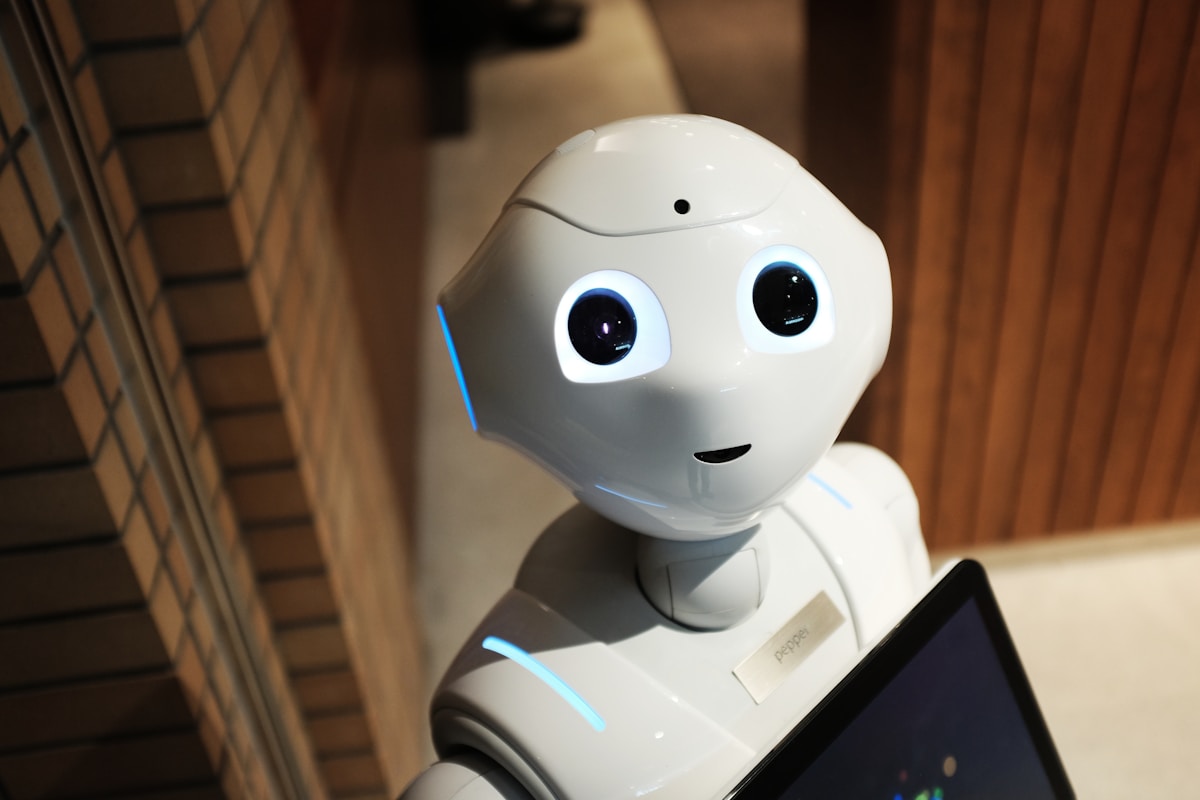
Physical AI Revolution 2026: From Edge Computing to Ubiquitous Intelligence
How Physical AI is transforming robotics and hardware with intelligent edge sensing and ubiquitous computing
EvoArt is a hub for AI-driven creativity.Stay ahead of the curve with EvoArt. We provide curated coverage of AI technology, from trending tools (openclaw) and software to deep dives into AI progress and practical applications in the creative industries.
How Physical AI is transforming robotics and hardware with intelligent edge sensing and ubiquitous computing
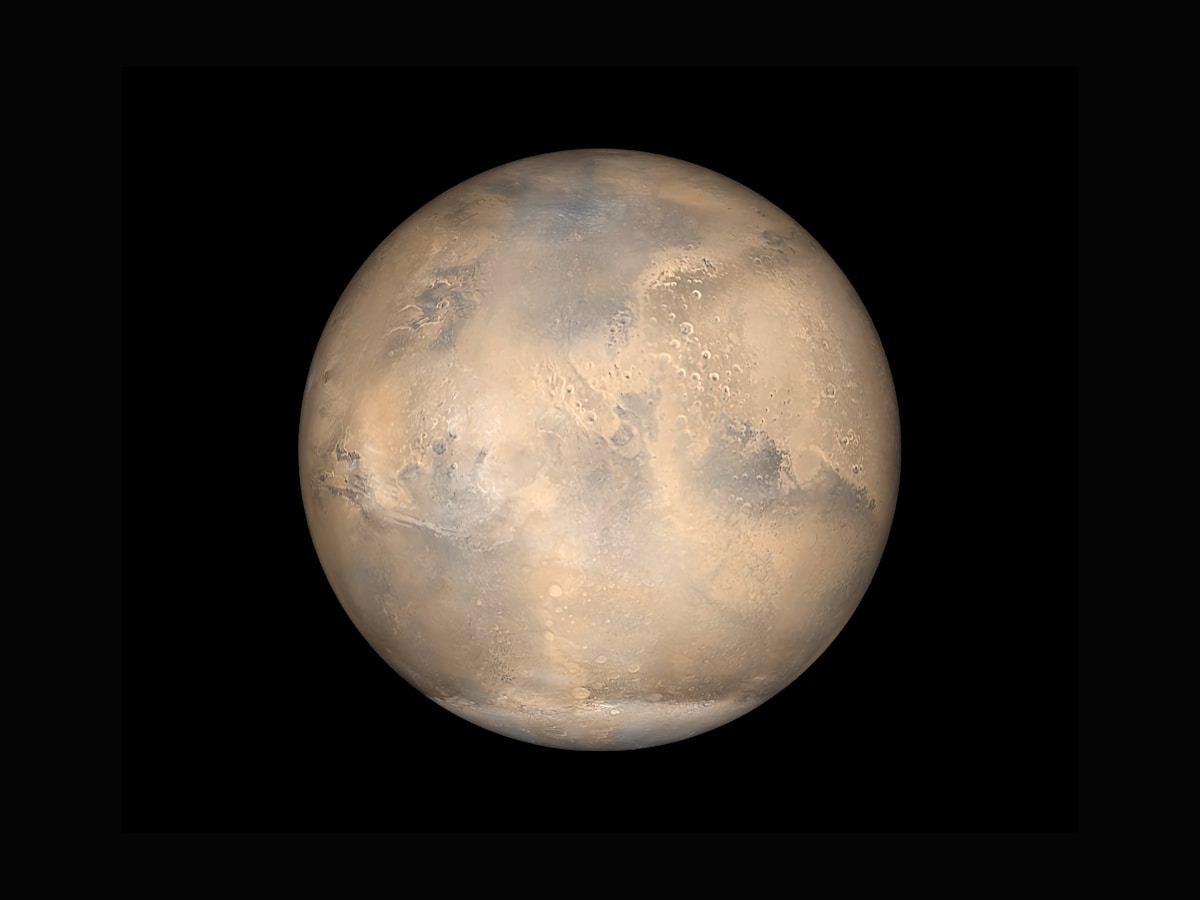
How NASA's Perseverance rover completed the first AI-planned drive on Mars using Anthropic's Claude vision-language models
Google's Kaggle challenge leverages Gemma 4 open models to address world-pressing issues
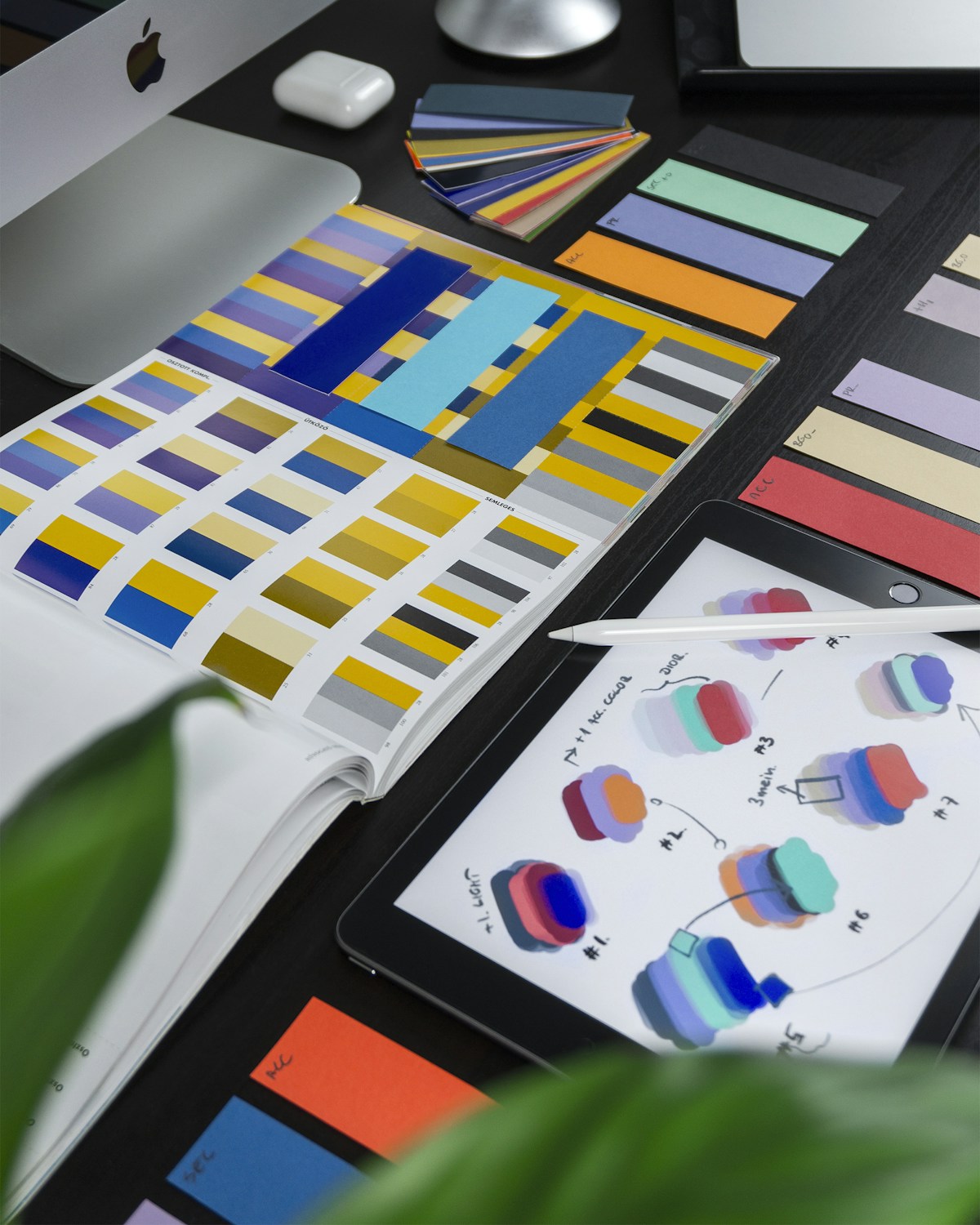
How Adobe's Firefly integrates with Creative Cloud to transform creative workflows with unlimited generative AI
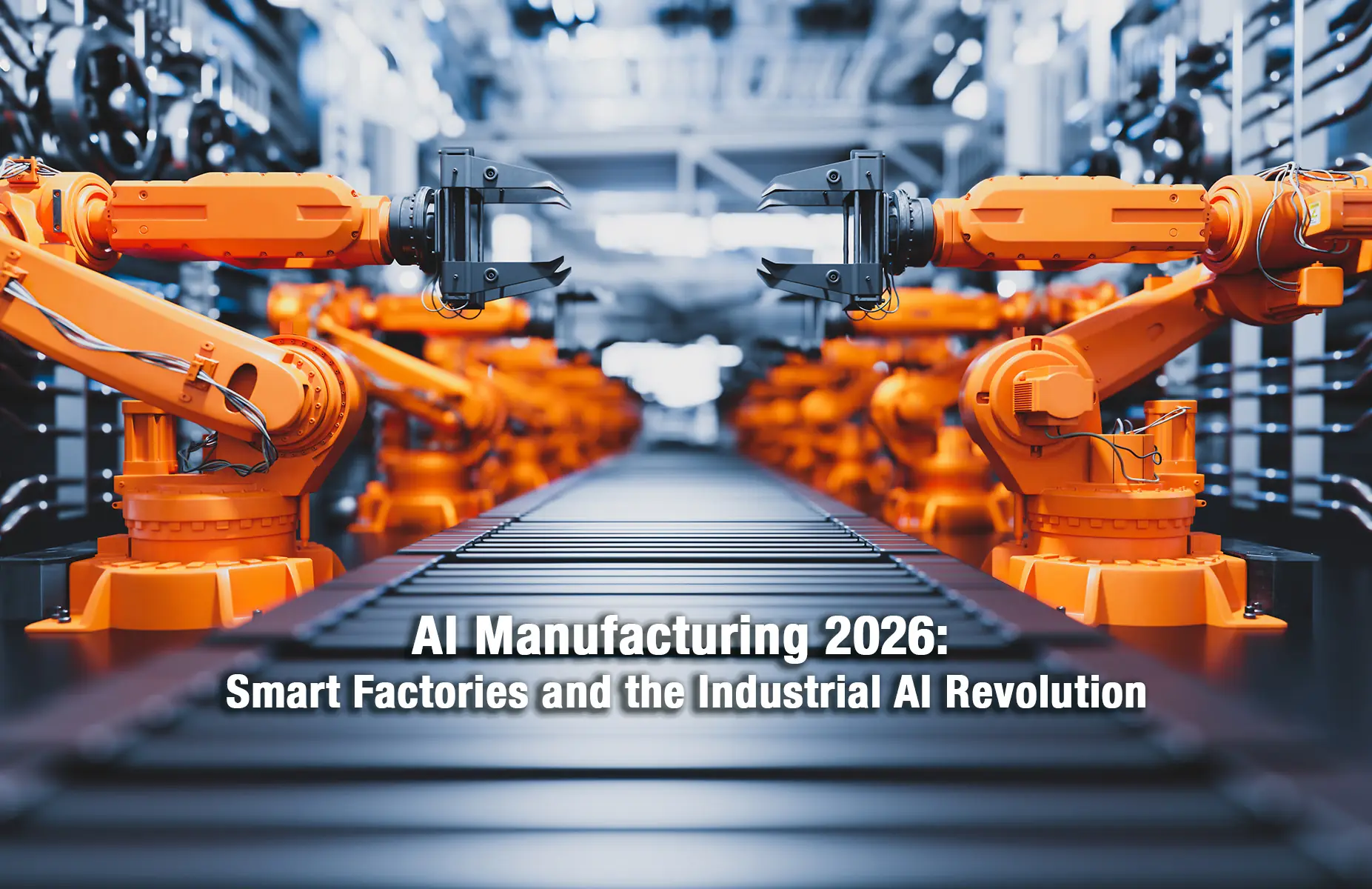
Artificial intelligence is transforming manufacturing in 2026, with smart factory adoption hitting 47% globally and AI delivering 31% efficiency gains across the industrial sector.
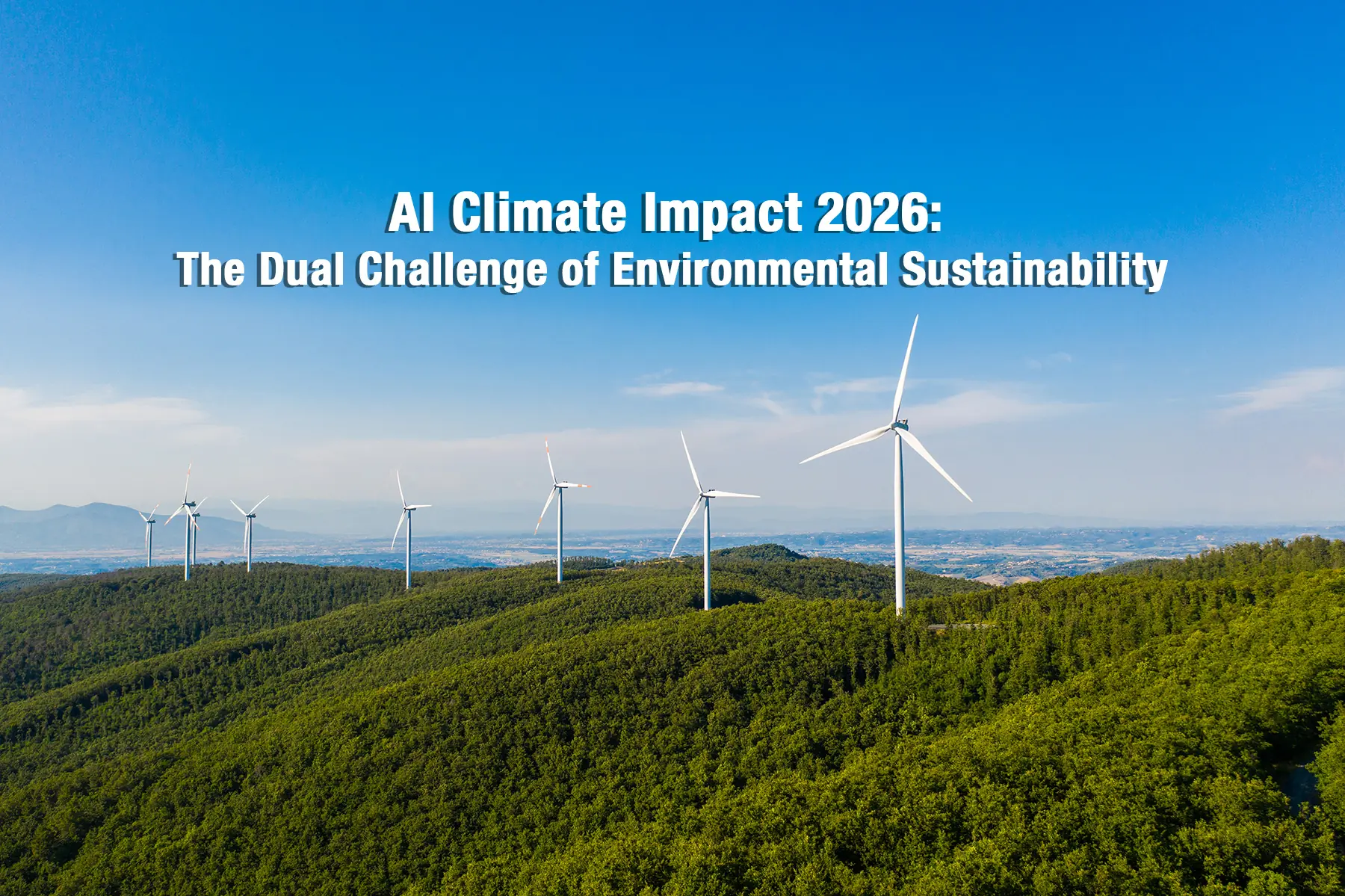
As AI's carbon footprint grows exponentially, the industry faces pressure to balance the technology's climate benefits against its substantial energy consumption, with 2026 marking a critical year for sustainable AI development.
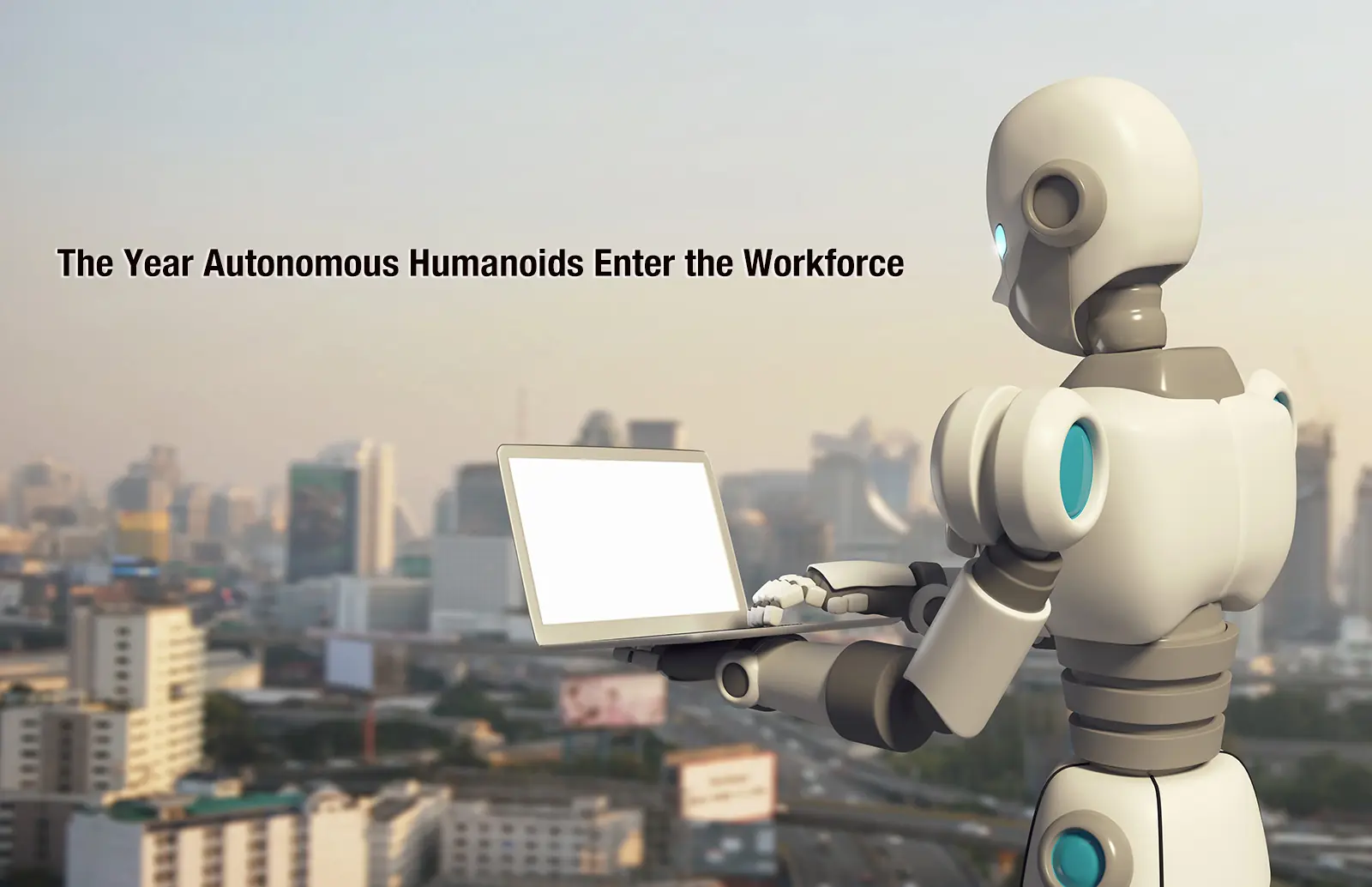
From Boston Dynamics' production-ready Atlas to Tesla's Optimus and Figure AI's humanoid robots, 2026 marks the transition from laboratory demonstrations to real-world workforce deployment.
Meta's Ranking Engineer Agent demonstrates the transformative potential of autonomous AI in advertising, autonomously improving ad ranking models at scale with significant business impact.
NVIDIA launches open Agent Development Platform, empowering enterprises to build, deploy, and scale autonomous AI agents with cutting-edge tools, models, and frameworks.
Binance expands its AI ecosystem with 13 new Agent Skills, enabling autonomous crypto trading agents to analyze markets, execute trades, and manage portfolios with institutional-grade capabilities.
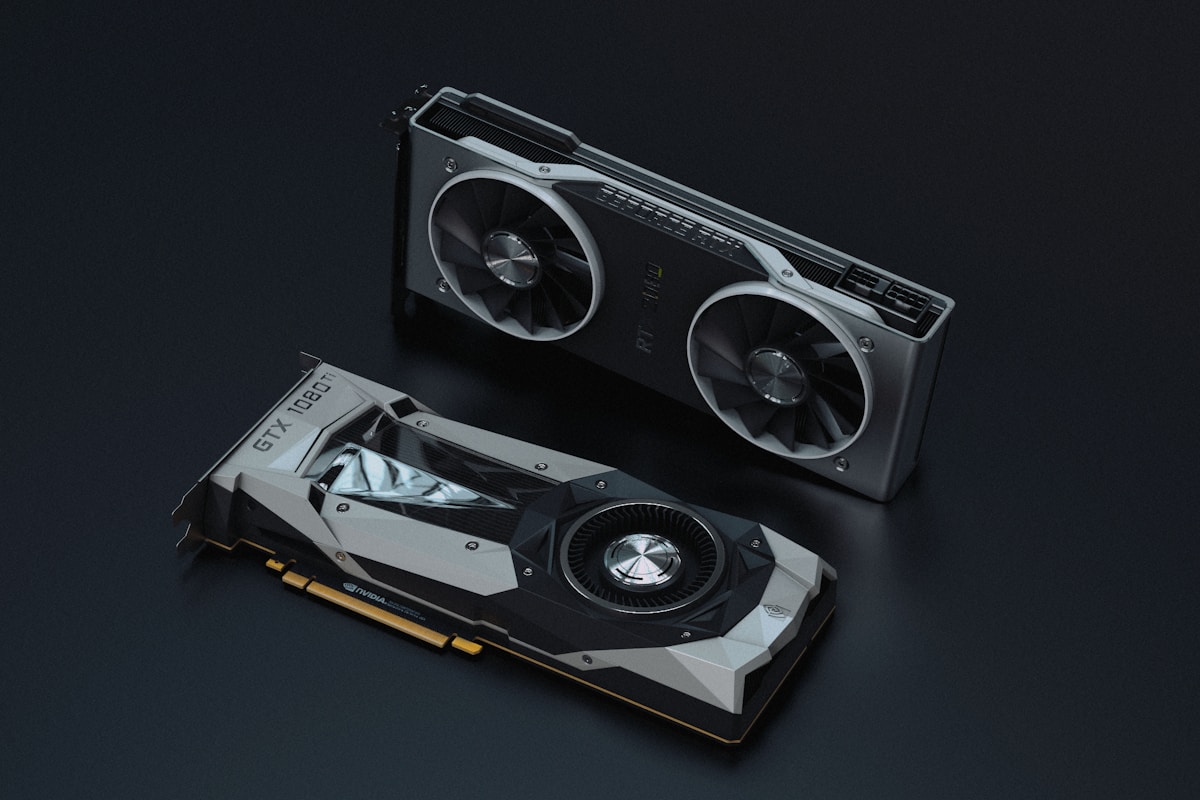
NVIDIA's Blackwell architecture is transforming AI infrastructure with 3x faster training and nearly 2x performance per dollar compared to previous generation. The GB200 NVL72 delivers 30X faster inference for trillion-parameter LLMs.
Quantum computing and artificial intelligence are converging in 2026, with major breakthroughs enabling applications once considered computationally impossible. From D-Wave's open-source toolkit to Quantinuum's generative quantum AI, the quantum-AI stack is becoming reality.
How AI agents are transforming from passive tools to autonomous decision-makers in enterprise workflows, with 40% of business processes predicted to be agent-managed by end of 2026.
AMD's MI450 accelerator is set to launch in the second half of 2026 with a massive 6GW deal from Meta, marking a significant challenge to Nvidia's market leadership in AI computing.
AI agent marketplaces are emerging as the new frontier in enterprise automation, enabling businesses to discover, deploy, and manage specialized AI agents for every business function.
NASA achieves historic milestone as Anthropic's Claude AI models plan routes for Perseverance rover on Mars, marking the first time AI has autonomously navigated another planet.
Anthropic's Claude Opus 4.6 achieves unprecedented AI coding milestone, writing a dependency-free C compiler in Rust capable of compiling a booting Linux kernel.
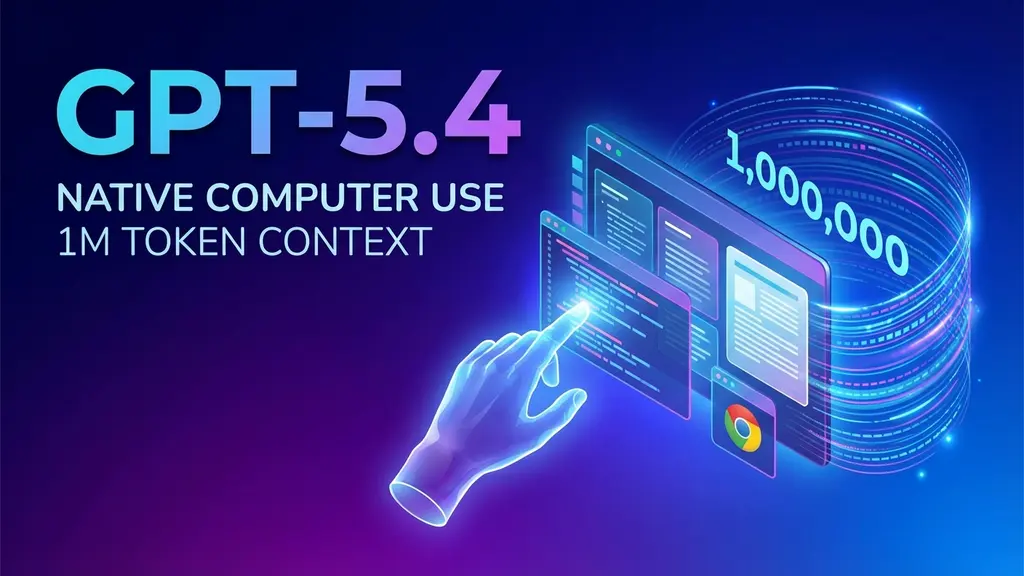
OpenAI's latest model brings native computer use capabilities, 1M token context window, and tool search—directly challenging Anthropic's Claude Code dominance in the agentic AI space.
The landscape of vision-language models has transformed dramatically in 2026. From OpenAI's GPT-4.1 to open-source contenders like Qwen2.5-VL and Pixtral 12B, we analyze the models defining the new frontier of multimodal AI.
As Anthropic's Claude Opus 4.6 challenges OpenAI's GPT-5.4 in coding benchmarks, the AI coding assistant market has become the most competitive segment in the AI industry. We analyze the technical and strategic differences.