
NASA Perseverance AI-Driven Mars Mission: The First Autonomous Interplanetary Drive
How NASA's Perseverance rover completed the first AI-planned drive on Mars using Anthropic's Claude vision-language models
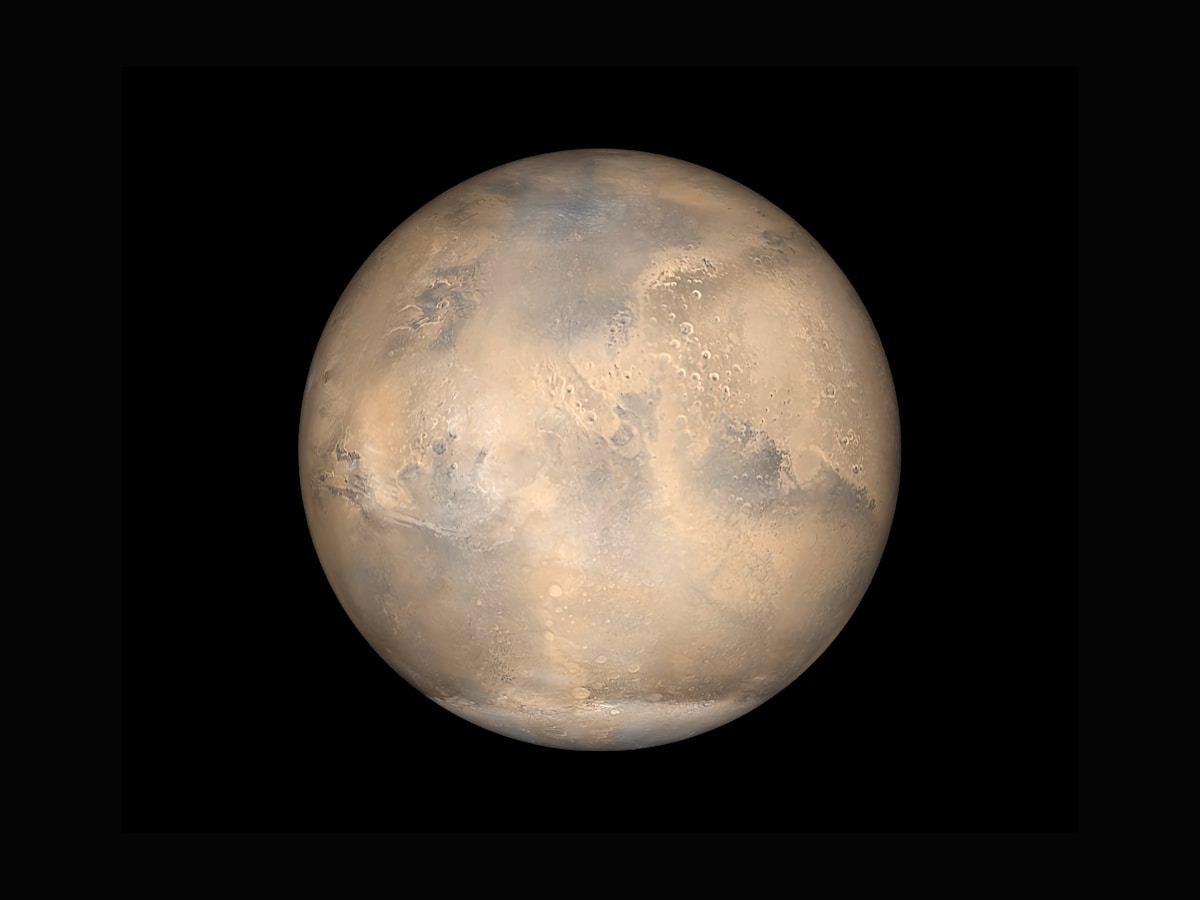
In December 2025, NASA achieved a historic milestone in space exploration: the Perseverance rover completed the first Mars drive ever planned purely by artificial intelligence. Using Anthropic's Claude vision-language models, the rover analyzed orbital imagery and terrain data to autonomously generate safe waypoints across the Jezero Crater. This development marks a transformative moment for interplanetary exploration, demonstrating that AI can make critical real-time decisions millions of miles from Earth.
Introduction
The dream of exploring other planets has always been constrained by the communications delay between Earth and distant worlds. When messages take minutes—even up to 20 minutes—to travel one way, the traditional approach of Earth-based mission control directing every movement becomes impractical. NASA's latest achievement with the Perseverance rover represents a fundamental shift: delegating navigation decisions to artificial intelligence operating autonomously on the Martian surface.
This article explores how AI-powered autonomous navigation works on Mars, its implications for future space missions, and what this breakthrough means for the future of interplanetary exploration.
The Challenge of Mars Navigation
Mars presents unique navigational challenges that differ dramatically from Earth-based robotics. The planet's surface is marked by diverse terrain features—sharp rocks, steep inclines, sand traps, and boulder fields—each presenting potential hazards to a wheeled rover. Unlike autonomous vehicles on Earth that can rely on real-time sensor fusion and instant human oversight, Mars rovers must make split-second decisions without waiting for Earth to validate each move.
The traditional approach involved Earth-based scientists carefully analyzing images sent by the rover, plotting waypoints, and transmitting navigation commands—processes that could take days or even weeks for a single drive. This methodology, while conservative, severely limits exploration efficiency and prevents rovers from adapting to unexpected opportunities or dangers.
Claude Takes the Wheel: AI-Powered Navigation
For the December 10, 2025 demonstration, NASA's Jet Propulsion Laboratory (JPL) employed Anthropic's Claude AI models to analyze high-resolution orbital imagery from the Mars Reconnaissance Orbiter along with terrain data collected by Perseverance's onboard cameras. The AI system identified safe traversable paths and generated autonomous waypoints for the rover to follow.
The technical process involved several sophisticated AI capabilities:
- Visual Analysis: Claude processed orbital images to identify potential obstacles and safe corridors
- Terrain Assessment: Evaluating surface properties to determine traction and stability
- Path Planning: Generating optimized routes that minimize risk while reaching target destinations
- Waypoint Generation: Creating precise navigation commands for the rover's autonomous systems
The AI successfully planned an 807-foot (246-meter) traverse across the rim of Jezero Crater, demonstrating that artificial intelligence can handle the complex decision-making required for interplanetary navigation.
Comparison: Traditional vs. AI-Assisted Mars Navigation
| Aspect | Traditional Earth-Controlled | AI-Assisted Autonomous |
|---|---|---|
| Planning Time | Days to weeks | Hours to minutes |
| Adaptation | Limited by communication windows | Real-time response |
| Terrain Analysis | Manual human review | Automated AI processing |
| Efficiency | Conservative waypoints | Optimized paths |
| Discovery Potential | Constrained by planning bandwidth | Higher exploration rate |
Implications for Space Exploration
This breakthrough carries profound implications for the future of space exploration. AI-powered autonomous systems could enable rovers to explore more territory in less time, respond dynamically to scientific opportunities, and navigate safely through challenging terrain without constant Earth-based oversight.
Future missions to Mars and beyond—including the planned Europa Clipper and Titan submersible explorations—could leverage similar AI capabilities to extend their scientific reach. The ability to delegate navigation decisions to AI systems operating autonomously represents a fundamental expansion of what robotic explorers can achieve.
The Human-AI Partnership in Space
Despite this impressive autonomy, NASA's approach maintains human oversight for critical decisions. Scientists still define mission objectives and evaluate scientific opportunities, while AI handles the execution details. This partnership combines human creativity and judgment with AI's speed and consistency.
The successful demonstration suggests a future where AI serves as an essential team member in space exploration—processing data, managing navigation, and identifying targets—while humans focus on the big-picture scientific questions that drive exploration forward.
Conclusion
NASA's Perseverance rover has accomplished something remarkable: the first interplanetary drive planned by artificial intelligence. This achievement demonstrates that AI can make reliable navigational decisions in extreme environments, far beyond the reach of real-time human intervention. As space agencies plan increasingly ambitious missions to Mars and beyond, AI-powered autonomy will likely become a standard component of exploration spacecraft—extending humanity's reach across the solar system while maintaining the safety and reliability that space exploration demands.
The journey of just 246 meters represents a giant leap toward a future where intelligent machines help us explore the cosmos.
Related Articles
Adobe Firefly 2026: The Generative AI Revolution in Creative Cloud
How Adobe's Firefly integrates with Creative Cloud to transform creative workflows with unlimited generative AI
The 'Model Avalanche' - When 12 AI Models Launched in One Week
Between March 10-16, 2026, six major AI companies launched twelve distinct models in what engineers are calling the 'model avalanche.' OpenAI, Google, xAI, Anthropic, Mistral, and Cursor all shipped within an unprecedented seven-day window. Here's what it means for the industry.
OpenAI Sora Shutdown: The Rise and Fall of AI Video's Flagship Product
An in-depth analysis of OpenAI's decision to shut down Sora, the collapse of the $1 billion Disney deal, and what this means for the future of AI-generated video.