
Beyond Nvidia: How China Built a Top-Tier AI Model Without US Chips
GLM-5.1 trained entirely on Huawei chips challenges the effectiveness of US AI export controls. An analysis of what this means for the global AI race.
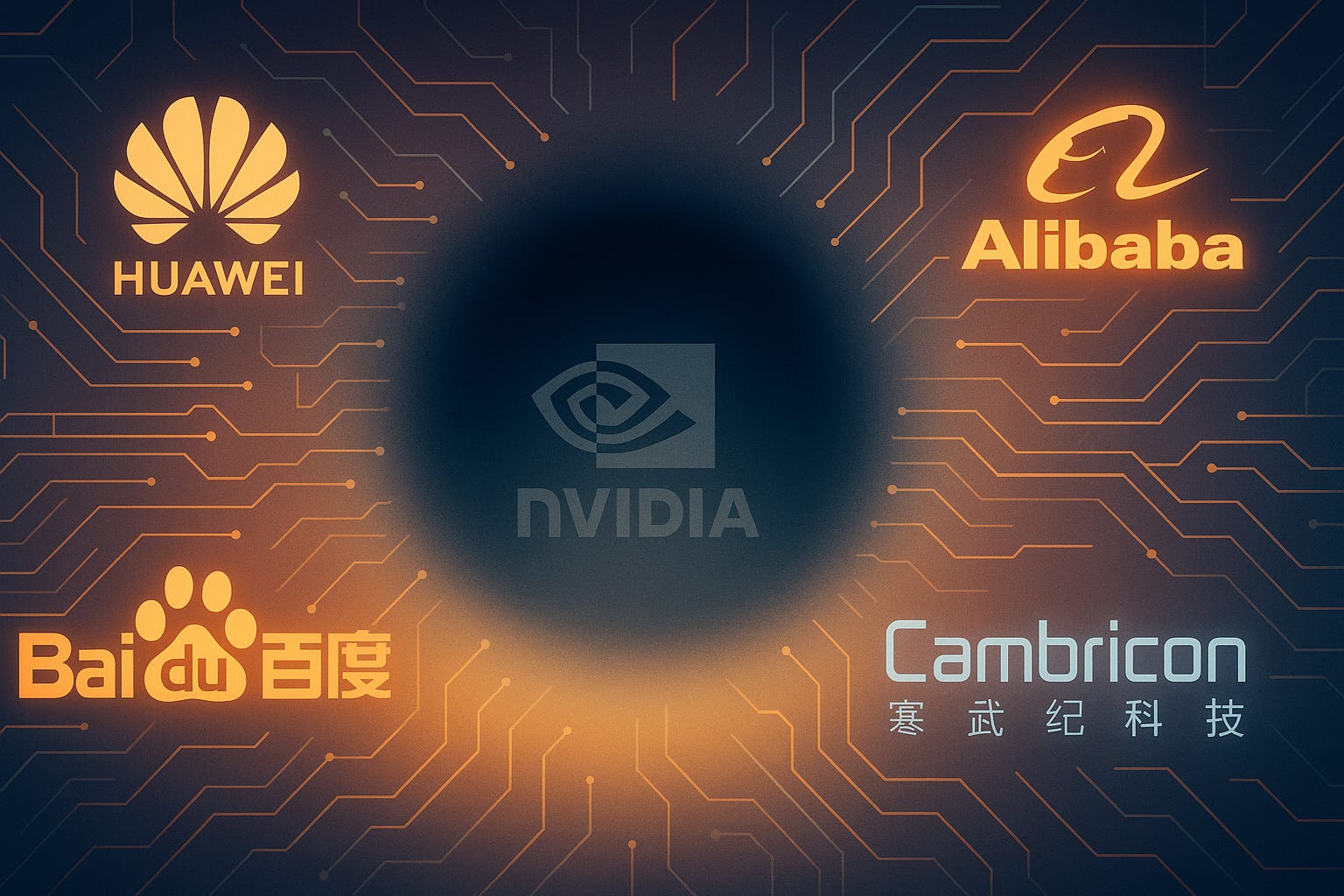
The US government's rationale for restricting AI chip exports to China was straightforward: deny access to cutting-edge hardware, and you slow down the competition.
GLM-5.1 just provided the first compelling piece of evidence that strategy may have a flaw.
The Hardware Reality
Since January 2025, Z.ai (formerly Zhipu AI) has been on the US Entity List—effectively banned from purchasing Nvidia GPUs, the backbone of virtually every major AI training operation worldwide.
Their response: train GLM-5.1 on approximately 100,000 Huawei chips, using Huawei's own software stack.
No American silicon. No Nvidia hardware. No external help.
The result: a model that tops one of the most respected coding benchmarks in the world.
What This Means for Export Controls
The conventional argument goes: without access to the best chips, foreign AI labs will fall behind.
| Narrative | What Happened |
|---|---|
| "No access = fall behind" | GLM-5.1 tops SWE-Bench Pro |
| "Chinese models 2 years behind" | Now leading on specific benchmarks |
| "Export controls protect US advantage" | Questioned by new data point |
This doesn't settle the policy debate—but it introduces real-world evidence that contradicts the core assumption.
The Numbers Tell a Story
Training at this scale requires massive infrastructure:
- 100,000+ Huawei chips deployed
- No reliance on any US technology
- 8 weeks of rapid iteration between February and April 2026
- 4 significant model updates in under two months
The $558 million Z.ai raised in their January 2026 Hong Kong IPO—the first publicly traded AI foundation model company—showed up in the pace of innovation.
Broader Implications for the AI Race
The GLM-5.1 result represents a shift in the global AI landscape:
- 80% of AI startups now gravitating toward open-source Chinese models
- Open-source alternatives at competitive performance levels
- No subscription required for top-tier performance
This isn't just about one model. It's about the changing economics of AI development when open-source alternatives match or exceed closed proprietary systems.
What Remains Uncertain
Important caveats remain:
- Self-reported benchmarks — not yet independently verified
- Earlier results held up under external testing, lending some credibility
- Benchmark optimization concerns always apply to headline numbers
- Combined scoring still gives Claude Opus 4.6 a slight edge across multiple tests
Bottom Line
GLM-5.1 is a data point that export control advocates cannot ignore: a model trained entirely on domestic Chinese hardware has achieved top-tier performance on a respected benchmark.
Whether this represents a fundamental shift or a temporary advantage remains to be seen. But the question has changed—from "Will export controls work?" to "What happens when they don't?"
Related Articles

Personalized Learning at Scale - The Transformation of Education in 2026
How AI is revolutionizing education through personalized learning, intelligent tutoring systems, and adaptive platforms.

Anthropic's Claude Mythos Leak Reveals 'Step Change' AI Model
A data leak exposed Anthropic's most powerful AI model yet, codenamed Claude Mythos, promising unprecedented capabilities but also raising cybersecurity concerns.

The Anthropic-Nvidia-Microsoft Partnership: Bringing One Gigawatt of AI Compute Online
The historic $15 billion partnership between Anthropic, Nvidia, and Microsoft will bring over one gigawatt of AI compute capacity online by 2026. This article examines what this massive infrastructure investment means for the AI industry, the competitive landscape, and the future of AI capability development.