
The Rise of Claude Code: How Autonomous AI Coding Agents Are Reshaping Development
An in-depth look at Claude Code's autonomous capabilities, Auto Mode, and how AI coding agents are transforming software development workflows.

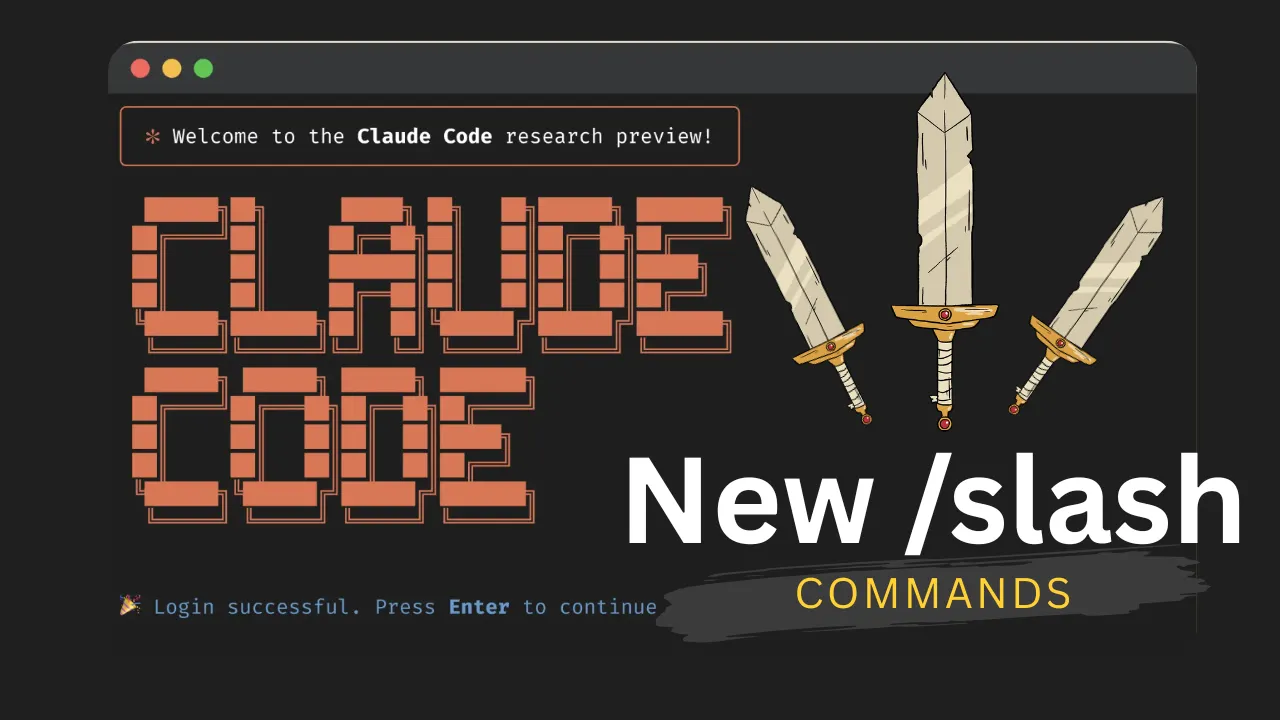
Anthropic's Claude Code has emerged as one of the most powerful autonomous coding agents available, with the March 2026 release of Auto Mode marking a significant milestone in AI-assisted development. This article examines the capabilities of Claude Code, the implications for software development workflows, and how autonomous coding agents are reshaping the role of human developers.
Introduction
The software development industry is undergoing a fundamental transformation. What began as simple code completion—predicting the next few characters as developers type—has evolved into fully autonomous agents capable of planning, executing, and debugging complex software projects with minimal human oversight.
Claude Code, Anthropic's AI coding assistant, represents the cutting edge of this evolution. With the introduction of Auto Mode in March 2026, Claude Code can now operate with significant autonomy, making decisions about which actions are safe to take while flagging potentially risky operations for human approval.
This shift represents more than a technological advancement—it signals a fundamental change in how software is built. Developers who adapt to this new reality will find themselves dramatically more productive; those who resist may find their skills increasingly irrelevant.
Understanding Auto Mode
How Auto Mode Works
Auto Mode represents a paradigm shift in how developers interact with AI coding assistants. Instead of the traditional approach—where the AI suggests actions and waits for human approval before proceeding—Auto Mode allows Claude Code to execute certain actions autonomously while maintaining safety guardrails.
The system works by classifying potential actions into three categories:
Automatic Execution: Low-risk actions that Claude Code can execute without approval. This includes reading files, searching codebases, running tests, and making non-destructive code changes.
Conditional Execution: Actions that require specific conditions to be met before execution. For example, refactoring that touches multiple files might require that all tests pass first.
Human Approval Required: Actions deemed too risky to execute automatically. This includes changes to production configurations, operations that could cause data loss, and modifications to security-critical code.
Safety Guardrails
Anthropic has implemented robust safety mechanisms to prevent unintended consequences from autonomous operation. These include:
Misclassification Warnings: The company acknowledges that Auto Mode can sometimes misclassify actions, executing operations that should have required approval. Developers are advised to maintain oversight even when using automatic features.
Rollback Capabilities: Claude Code maintains the ability to quickly undo changes if issues are detected, minimizing the blast radius of any mistakes.
Audit Trails: All actions taken in Auto Mode are logged, allowing developers to review what the AI did and when.
The Claude Code Ecosystem
Skill Ecosystem
As of March 2026, the Claude Code skill ecosystem includes:
- Official Anthropic skills developed and maintained by the company
- Verified third-party skills that have been reviewed for quality and safety
- Thousands of community-contributed skills compatible with the universal SKILL.md format
This ecosystem allows developers to extend Claude Code's capabilities for specific use cases, from working with particular frameworks to handling specialized development workflows.
Version Updates
The March 2026 updates brought significant enhancements:
- Claude Code v2.1.76 introduced voice mode capabilities
- The /loop feature enables continuous autonomous operation
- 1 million token context window support
- Opus 4.6 as the default model
- Ultrathink mode for complex reasoning tasks
- MCP (Model Context Protocol) elicitation for expanded tool use
Integration Ecosystem
Claude Code integrates with a wide range of development tools through its MCP server support. This includes:
- Web access capabilities for research and documentation
- GitHub integration for version control workflows
- Development environment integration for local coding
- API testing and monitoring tools
Impact on Software Development
Productivity Transformation
Developers using Claude Code Auto Mode report significant productivity improvements. The ability to offload routine tasks—writing boilerplate code, running tests, searching for patterns—allows developers to focus on higher-value work like architectural decisions and complex problem-solving.
Early adopters have reported completing in hours what would previously have taken days. The AI can work continuously, handling tasks in the background while developers focus on other priorities.
Role Evolution
The rise of autonomous coding agents is changing what it means to be a software developer. The role is evolving from writing code to directing code—a shift that requires different skills.
Developers increasingly need to be proficient in:
- Writing effective prompts that guide AI toward desired outcomes
- Reviewing AI-generated code for correctness and quality
- Managing AI agents and troubleshooting when they go off-track
- Understanding system architecture well enough to verify AI recommendations
Team Dynamics
Organizations implementing AI coding agents are also seeing changes in team dynamics. Traditional hierarchies—with senior developers mentoring juniors through code review—are being supplemented (and sometimes replaced) by human-AI collaboration patterns.
Junior developers can now accomplish tasks that previously required years of experience. Senior developers find their time freed from routine reviews, allowing them to focus on more strategic work.
The Competitive Landscape
Other AI Coding Agents
Claude Code isn't alone in the autonomous coding space. The market includes:
Cline: A capable competitor with strong autonomous orchestration capabilities Aider: Focused on AI pair programming with strong integration capabilities Gemini CLI: Google's entry into the CLI-based AI coding assistant space Opencode: An open-source option gaining traction in the community Codex: OpenAI's offering in the coding agent space Goose: Another emerging option in the autonomous development space
Each has strengths and weaknesses, with the "best" choice often depending on specific use cases and team preferences.
Benchmark Performance
The AI multiple agentic CLI comparison shows Claude Code performing well in benchmarks, though the space is evolving rapidly. Companies continue to improve their offerings, making this a highly competitive market.
Best Practices for Implementation
Starting Small
Organizations new to autonomous coding agents should start with limited scope. Use the AI for non-critical tasks first, building confidence before expanding to more sensitive areas.
Maintain Oversight
Even with autonomous capabilities, human oversight remains essential. Review AI-generated code, monitor agent activities, and maintain the ability to intervene when needed.
Invest in Training
Developers need training to work effectively with AI agents. This includes understanding prompt engineering, learning to review AI-generated code efficiently, and developing intuition for when AI assistance is helpful versus when it might lead astray.
Establish Guidelines
Organizations should develop clear guidelines for when and how AI coding agents should be used. This includes security policies, code quality standards, and approval workflows for different types of changes.
Future Directions
Continued Evolution
The capabilities of AI coding agents will continue to advance. Current limitations—difficulties with novel architectural patterns, challenges with highly specialized domains—will be addressed through continued development.
Deeper Integration
Future versions will likely integrate more deeply with development workflows, handling increasingly complex tasks autonomously. The boundary between what AI can do autonomously and what requires human input will continue to shift.
New Development Paradigms
We may see entirely new approaches to software development emerge. Rather than writing code line by line, developers might describe desired outcomes and let AI agents figure out the implementation.
Conclusion
Claude Code's Auto Mode represents a significant step in the evolution of AI-assisted development. The ability to operate autonomously, with appropriate safety guardrails, is changing how software is built and who can build it.
For developers, this shift presents both opportunity and challenge. Those who embrace AI coding agents will find themselves dramatically more productive. Those who resist may find their skills less in demand. The key is to adapt—learning to work effectively with AI rather than competing against it.
The software development profession is not ending—it is evolving. The most successful developers will be those who recognize this evolution and adapt their skills accordingly. In the world of AI-assisted development, the ability to effectively collaborate with autonomous agents may become the most valuable skill of all.
Related Articles
AI Development: A Comprehensive Guide to Building Intelligent Systems
An in-depth guide to the process of developing AI systems, from data preparation and model training to deployment and monitoring.
AI Ethics: Navigating the Moral Dimensions of Artificial Intelligence
A comprehensive exploration of AI ethics—examining the moral principles, challenges, and frameworks for responsible AI development and deployment.
Artificial Intelligence: Reshaping Our World
A comprehensive overview of artificial intelligence, its current state, applications across industries, and the transformative impact it has on society.